9 min read
15 Real Reasons You Should Adopt a Rescue Dog
Most adoption articles read like a guilt trip. This one doesn't. Here are 15 actual reasons rescuing a dog tends to work out better than people expect, including three big ones: practical, emotional, and financial.
Vet Approved

This information is current and up-to-date in accordance with the latest veterinarian research. Learn more
Contents
Bringing a dog home is one of those decisions that sounds simple until you start making it. Breeder or rescue. Puppy or adult. Purebred or mutt. Every option comes with its own trade-offs, and most of the advice online reads like it was written by someone who’s never actually picked a dog up from a shelter parking lot at 4pm on a Tuesday.
So let’s cut through it. There are really two paths to dog ownership: buying from a breeder, or adopting a rescue/shelter. Both can work. But the rescue route gets dismissed more often than it should, usually for reasons that don’t hold up once you look at them honestly. Older dogs are calmer. Shelter dogs are cheaper. Mixed breeds tend to be healthier. The “you don’t know what you’re getting” line falls apart the second you spend an hour with a dog before adopting.
Below are 15 reasons adopting a rescue tends to work out better than people expect. We’ll also cover the real stuff nobody warns you about: the decompression period, the first-week adjustment, and how to set your new dog up so they actually settle in instead of bouncing back to the shelter.
You May Save a Dog’s Life

Sadly, many rescue centers are at capacity. According to the ASPCA ‘Each year, approximately 920,000 shelter animals are euthanized (390,000 dogs and 530,000 cats)’. The good news is that this number is actually less than in previous years.
This is because of an increase in the number of pets being adopted, and also due to the number of strays that are reunited with their owners, thanks to microchipping. But it still demonstrates that not all dogs are lucky, and many are still put to sleep each year. You could make a difference to these figures.
Giving a Second Chance

Many dogs end up in shelters through no fault of their own. A change in an owner’s financial circumstances, working arrangements, or home environment may mean they are no longer able to care for their pet.
By adopting you will be giving that dog a second chance of finding their forever home. While shelters do their best, nothing beats a loving home environment.
Easing Pressure on Rescues

As we’ve mentioned, rescue centers are under pressure. Space is not unlimited; many shelters are at capacity with no more kennels available. It also costs the shelter a lot of money to care for these dogs, with vet bills, food, and boarding all adding up. By supporting your local shelter and adopting from them, you can make a real difference, as well as gaining a new canine companion.
Help With Matchmaking

Your shelter wants to make a successful match! It is in the charity’s interest that you and your pet are happy. No one wants to see that dog return to the shelter.
That is why the rescue center should take the time to get to know you and your lifestyle, as well as things like your work and family commitments. This will allow them to build a picture of what sort of dog would suit you best.
Of course, they will take your preferences into account too e.g. size, coat type, and activity levels. By matchmaking in this way they will increase the chances of you and your new companion making a lifelong bond.
Skipping the Puppy Phase

One of the benefits of adopting is that you can skip the puppy phase. While puppies do end up in shelters, there are many more adult dogs available. By taking home a fully grown dog, you will get to bypass some of the more challenging behaviors that come with puppyhood, such as puppy issues, broken sleep at night, and chewing.
Going straight to an adult dog means you can focus on building a strong bond with your new pet, plus you can head out for some lovely long walks straight away.
You’ll Know About Your Dog’s Temperament

Reputable rescue shelters spend a lot of time assessing their dogs. They will get a strong understanding of what their personality is like and whether they have been well-socialized with people and other animals. This means that you will go into owning that dog with your eyes open.
Buying a puppy can be a bit of an unknown quantity in comparison. While you will be around for some of their formative weeks and months, you won’t know for sure what sort of dog you will end up with until they have fully matured.
Encouraging Other Would-Be Owners

By adopting, you are setting an example of responsible pet ownership. More would-be owners will go down the road of adopting if they are around others who have already done it. This trickling-down effect is what will further help to reduce the number of euthanasias that occur in shelters each year.
Creating an Unbreakable Bond

Nothing compares to seeing your rescue dog wagging their tail at you – it is just one of the many rewards of adopting. Dogs that have had a bad start in life will often form a strong bond with a new owner who has plenty of time and love to pour into them. While most dogs offer unconditional love, there is something special about a rescue dog.
Joining a Community of Like-Minded Owners
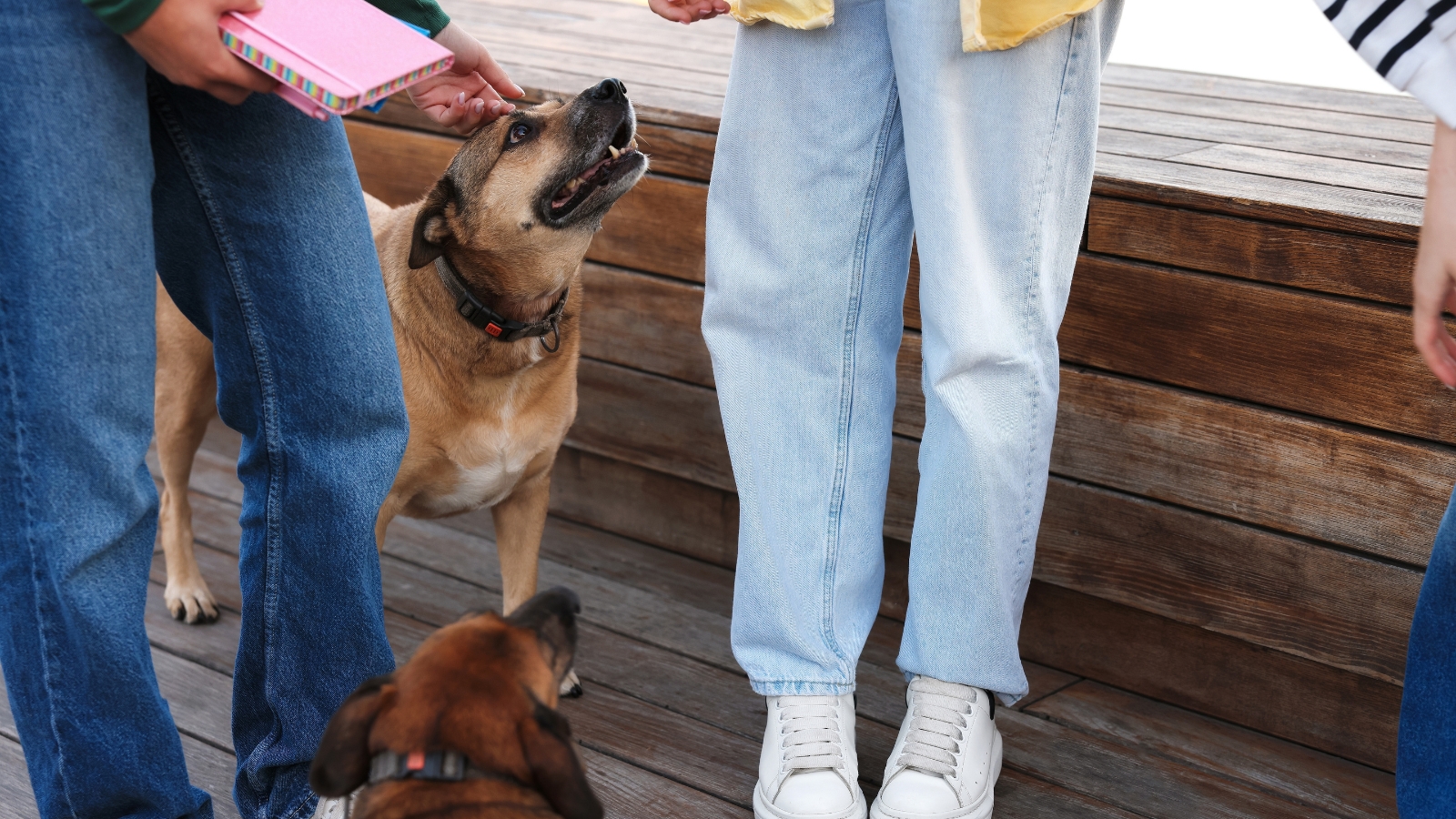
By adopting a dog, you will automatically be part of a group of like-minded pet owners. Many pet owners will be very proud of their dogs and happily share their inspirational stories. By regularly swapping tales with other rescue dog owners, you will automatically have a support network that you can lean on for advice and help.
Some charities have forums or social media pages that can further encourage this sense of community, as well as promote the shelter’s work.
Rewarding Training Opportunities

Some people are nervous about adopting a dog because they might have behavioral or training issues. While this may be true for some dogs, many potential pets just need some consistent routines and training techniques.
By working through any problems together, you and your pet will form an amazing bond. Don’t forget your rescue center is there to support you and you can lean on the help of a qualified pet behaviorist if you need to.
It is also worth remembering that a purchased puppy could just as easily develop training problems, so this is no guarantee of an easy ride. It will all come down to your commitment and approach.
Lower Cost

Rescue dogs usually have a much smaller cost associated with them than purchasing a pedigree pup from a dog breeder. Most charities will also have neutered, microchipped, and vaccinated the dogs ready for adoption.
This means you will have more spare cash to stock up on toys, food, and accessories. While this is an attractive bonus of taking on a rescue dog, make sure that you have the right financial provisions to take care of your pet longer term.
Some Training Is Already in Place

While we’ve touched on training above, it is also worth looking at another positive aspect of adopting – your dog might actually come with some training already in place! Most adult dogs will be at least house-trained and often understand some basic commands.
The rescue shelter will assess their training before putting the dog up for adoption. This can help to let you know what needs some more work, such as recall or walking to heel.
Wide Range of Mixed Breeds

There is a huge amount of diversity in rescue shelters, which means there is something for everyone! As well as different breeds, coat types, and sizes, there will be dogs of different personalities too. This means that the charity will be able to help pair you up with the perfect pet for you.
In fact, part of the fun of owning a rescue dog can be wondering what breed they are! Whippet crossed with a Labrador? Retriever crossed with a Pointer? Any which way, you can bet your newly adopted furry family member will be unique.
Health Screenings

One of the advantages of adopting a dog is that the shelter will have screened them for health problems. While this is no guarantee that your new pet won’t go on to develop a condition at a later date, it is always helpful to go into dog ownership with as much information as possible.
A clean bill of health is what most new owners look for, but you may decide that you can provide the level of care needed for a diabetic or a dog with ongoing skin issues, which would be amazing.
You’ll Get Plenty of Support
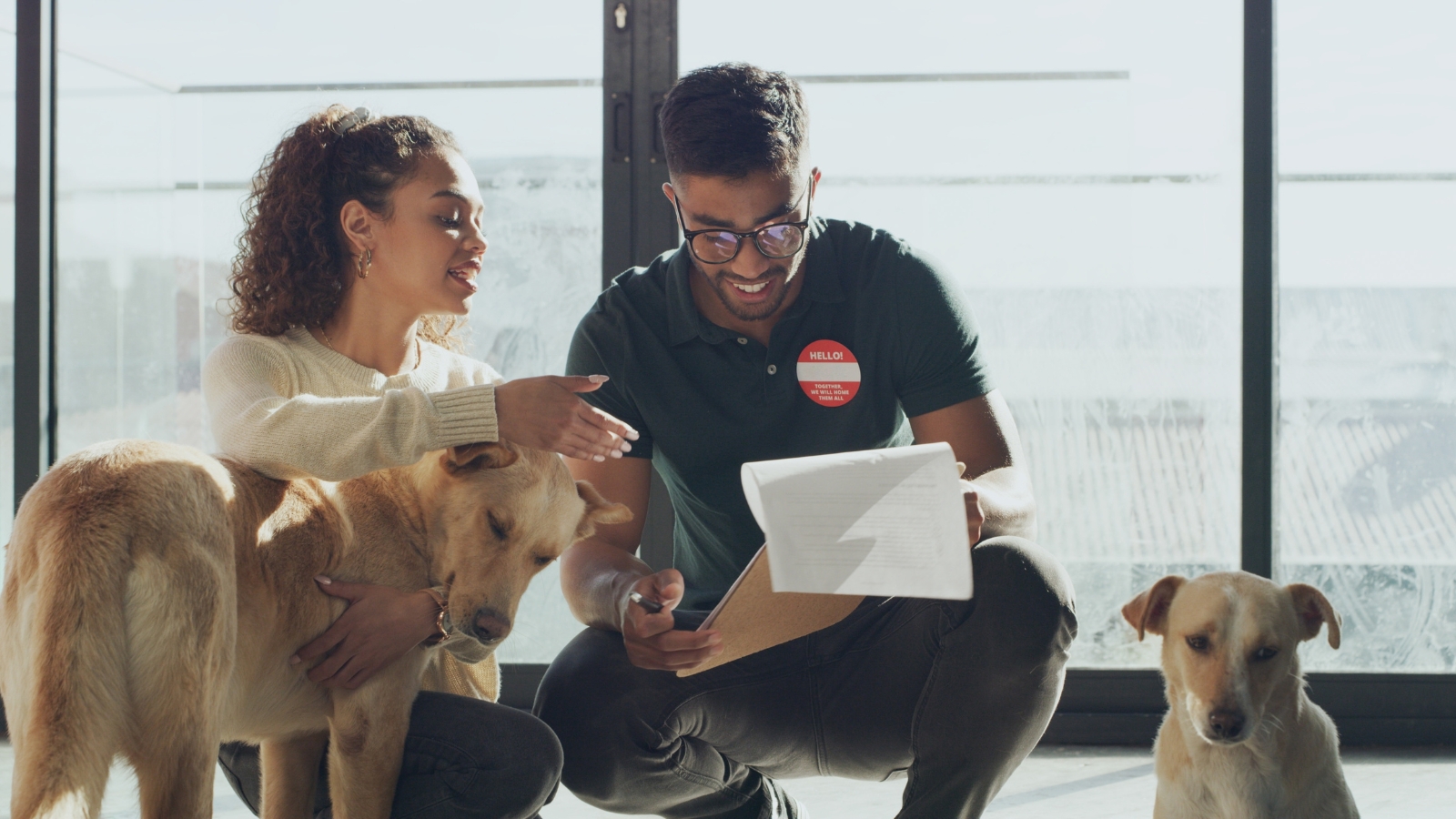
Venturing into dog ownership can be a challenge for some owners. You want to do the best thing for your new pet, but how? The rescue center is there to support you and answer your questions about your dog’s care.
It might be worth chatting this through before your dog, to find out what level of support they offer but also whether they can step in, should the adoption process fail for you. Having this support in the background can be invaluable.
Helping a Rescue Dog Settle
So, you’ve decided to take the plunge and you are bringing home a rescue pup. But what are the best ways to settle them into their new home? Here are our top tips to set yourselves up for success.
Create Their Own Area

You must set up a cosy safe space for your rescue dog to retreat to whenever they wish. This could be a crate if you plan on crate training, or a comfortable bed or basket. Just make sure that you set this up in an area where your dog will be undisturbed.
It should be their safe space for some peace and quiet, which is especially important if they are feeling overwhelmed. As such, you should make sure that small children don’t use this space as a play area and that all family members leave your dog alone when he is resting. They should be able to sleep undisturbed.
Dog Proof Your Home

Before bringing your rescue dog home, take some time to dog-proof! Install stair gates if you want to keep your pet downstairs on in a particular zone of the house. You should also make sure that your garden is securely fenced and there is no way of escaping.
Move all those irreplaceable ornaments or possessions well out of reach, in case a waggy tail accidentally knocks them over. Similarly, all toxic items should be hidden away from curious canines too. Medicines, cleaning products, or toxic food like chocolate, raisins, and onions should all be out of sight.
Calming Pheromones

The dog-appeasing pheromone is something that female dogs produce when feeding their pups. This makes puppies feel more secure and calm. Some products can replicate this effect through diffusers or impregnated collars. This can be helpful when settling a dog into your home.
Register With a Local Vet

You should register your rescue dog with a local vet as soon as possible, should the worst happen. If you need emergency care in a hurry, being registered with a vet beforehand can reduce any associated stress.
You should also take your new pet to the vet for a check-up fairly soon after bringing them home. That will be your opportunity to see how your dog reacts in a clinic environment, as well as allowing you to discuss preventative care with your vet.
Establish a Routine

Get your dog into a daily routine as soon as possible. Feeding times should be consistent (if your dog was previously neglected then they may have issues around food) as well as regular walks and predictable bedtimes. This will help your dog to feel safe and settled much faster than a dog who doesn’t know what each day will bring.
Manage Your Expectations

While your rescue pup should become your new best friend, depending on their personality and previous life experiences, this might take time. Most animals will naturally be a bit anxious about moving to a new home.
Try not to overwhelm them and always speak in low, soothing tones. Your dog will settle much faster if you allow them to come to you in their own time. A busy house with lots of visitors is not recommended during the first couple of weeks.
Make us part of your pack when you search.
Add Caninely as a preferred source on Google and we'll be right there next time you go searching. Five seconds, and you get straight dog talk instead of the usual fluff.


10 Things Your Dog Might Say if it Could Talk
Ever wonder what your dog might say if it could actually talk? While there are a few things we'd probably hope they "wouldn't" say, there are plenty that they probably would. In this article, pet journalist Amber Hankins shares her thoughts, as well as those of some of our social media followers.