6 min read
11 Pros and Cons of Owning a Siberian Husky
Siberian Huskies are absolutely full of personality! But they aren’t the right dog breed for everyone. Their intelligence and playful nature make them lovable companions, while their exercise needs, shedding, and stubborn streak can be challenging for unprepared owners. Here are 11 pros and cons potential Husky owners should consider.

Contents
With gorgeous eyes, unique charm, and striking physical features, you may take one glance at a Siberian Husky and consider it the perfect, most ideal dog to own.
After all, Huskies “look” like the perfect dogs. And they are known for their affectionate and playful personalities. But did you know they also present some challenges for potential owners?
Join us as we run down the list of the “Pros and Cons of Owning a Siberian Husky” to determine if this breed is right for you! First up? Everything you will adore about a Siberian Husky:
First, The Pros: Loyalty

Huskies are known for their good nature and love of people. This is why they make loyal companions for those with active lifestyles. That loyalty is often built through positive reinforcement and consistent training. This helps them develop a strong bond with their owners.
Huskies are also known to crave company. They are generally friendly with strangers, and because they’re often socialized from a young age, they’re accustomed to people and other dogs. They thrive on being included in activities and love feeling like they’re another member of the family.
In other words, some say Huskies are total “love bugs” who also love the attention. In all, these qualities make them good companions for both individuals and families looking for a dog to love and to love them back!
Unique Appearance

Striking is one of the best words to describe the most noticeable and attractive physical features of a Siberian Husky; this, of course, includes their beautiful eyes and dense fur.
Their almond-shaped eyes can be blue, brown, or a mix of both. They can come in several colors, with black and white being the most common.
These distinctive features are both eye-catching and captivating. This helps them to stand out amongst a crowd, and further distinguishes them from other breeds while adding to their appeal.
So if you decide to get a Siberian Husky, be prepared for the compliments. And the attention that come with it. This breed is so striking that onlookers can’t help themselves!
Intelligence

Call them dogs with beauty and brains! Siberian Huskies are known to be quick learners. They can be trained for different activities, including obedience, agility, and in some cases, sled racing.
In fact, they can learn a variety of commands and adapt to different situations, while being known for their problem-solving and independent thinking.
However, it should be noted that because they have such strong independent streaks, many people argue they can be stubborn.
For some owners, this can make them challenging to train. Yet with consistent and positive reinforcement, along with patience and understanding, they can perform several activities and commands with success!
Clean, “Good-Smelling” Dogs

Forget the Febreze, Huskies are naturally very clean dogs with little to no odor, requiring just a few baths a year to maintain healthy skin.
That, within itself, saves you time… and headache! Their dense, double coat sheds regularly and helps to keep them relatively clean and free from the typical “doggy smell” that so many dog owners dread.
Like cats, Huskies clean themselves by licking and grooming their fur. Their coats contain natural oils that repel dirt and help keep them clean while reducing the likelihood of strong odors. They are also seasonal shedders, so their double coat sheds off old fur, which contributes to their natural cleanliness, too!
Playful

If you’re a person who likes to be active and on the go, consider a Siberian Husky the perfect playmate! They are a breed that enjoys the outdoors, making them great companions for hiking, camping, running, and biking.
Because Huskies were bred to pull sleighs for long distances, they don’t shy away from exercise during the cold weather, and in fact, rather enjoy it!
Their ideal owner is someone who likes the great outdoors, is not afraid of an adventure, and likes to keep moving at a pace that matches theirs. If this sounds like you, a Husky should be at the top of your “potential pup” list. Their playfulness also comes with a great sense of humor!
Now, onto the qualities of a Siberian Husky that you may not care for:
Next, The Cons: Energy

While this beautiful breed is fun and playful, Huskies are also high-energy dogs that need a significant amount of daily exercise and mental stimulation to stay happy and healthy, and prevent them from engaging in destructive behaviors.
If left alone for long periods or understimulated, Huskies might chew on furniture or do some digging. Why so?
Because they’re descendants of working dogs, they were bred for stamina and endurance. Since they’re naturally intelligent and curious, they need to stay busy and engaged.
An owner who is motivated to keep up with a Husky’s needs and is also active and energetic may be the better fit for this specific type of dog.
Lots… and Lots of Shedding

As pretty as their double coat is, it sheds heavily. Especially during the shedding season, which requires Huskies to need regular brushing. The process, where they shed their undercoat, can last for several weeks. It is a normal part of their seasonal coat maintenance.
If you’re not a fan of doggy hair on your floor, your couch, and even your clothes, and having to continuously clean or pick up hair, a Siberian Husky may not be the best choice of a companion for you or your family.
It’s true– some Huskies may shed more than others, and factors like age, diet, and lifestyle can affect how much fluff you’ll have to clean up! The good news is that with proper care, you can keep the shedding to a minimum and manage all of the Husky fur without frustration!
Strong Prey Drive

Vocal and Noisy

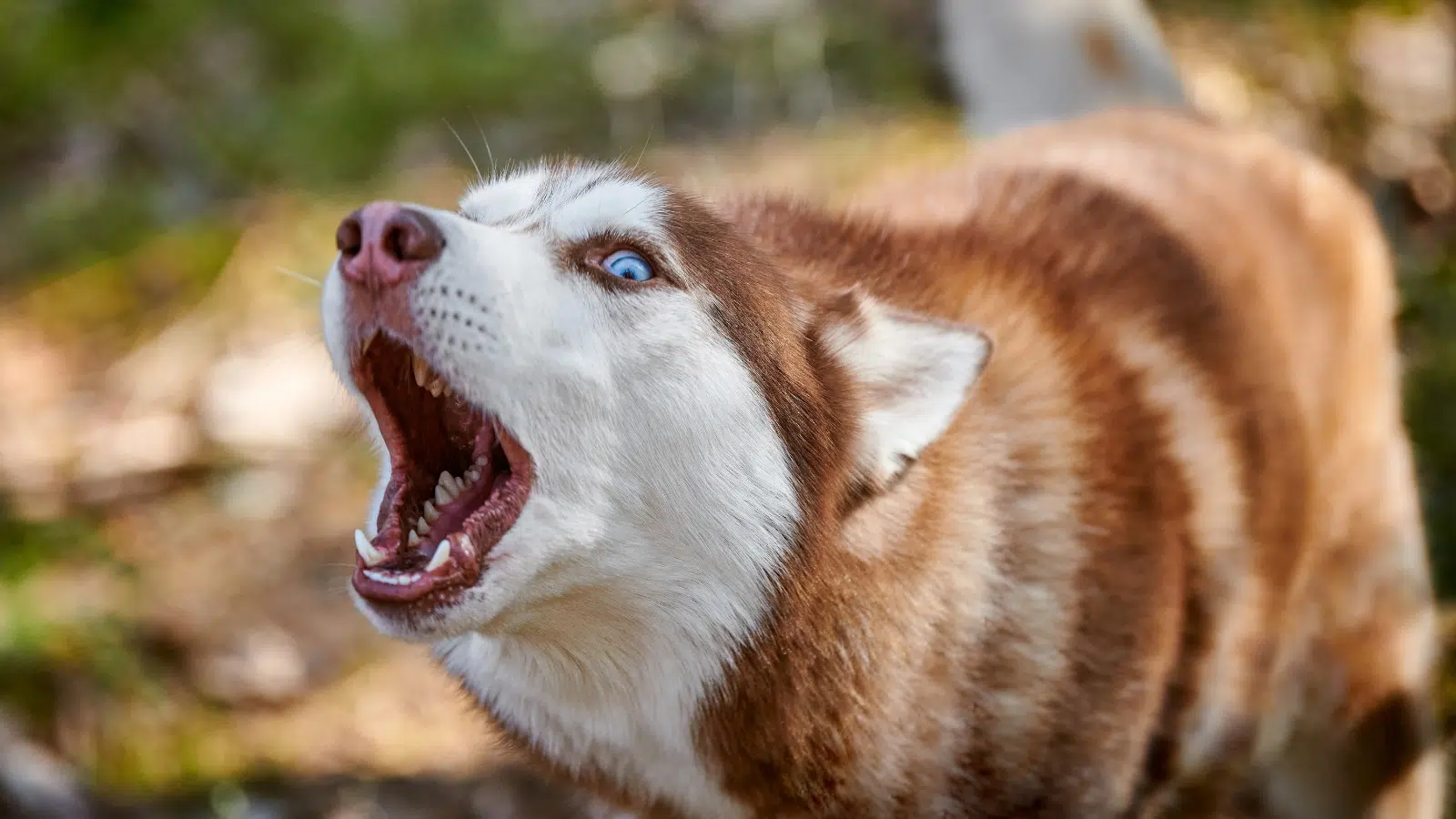
While they’re not known for their bark, a Husky’s mournful howling when left alone or bored can be quite an annoyance to you or your neighbors.
They may do this for various reasons, including communication, seeking attention, or responding to loud sounds like sirens. Huskies are naturally vocal, and while some argue they can be fun to listen to, others say, “Not so much.”
If you’re thinking about owning a Husky, consider your space. Also consider the others in or around your household who might be affected by the howling. While this is a quality they’re known for, the actual amount of noise a Husky makes can vary depending on the individual dog’s personality, training, and environment.
So keep this in mind if you like your peace and quiet. Especially at night and in the early hours of the morning, and especially if you don’t want to take a gamble on what type of “Husky personality” you may get!
Escape Artists

Where did he or she go? That could be a question you’re asking yourself over and over if you get a Husky, and frankly, a behavior you may not want to have to worry about.
Siberian Huskies are known for their ability to escape, even from secure yards, due to their strength and agility. This is often attributed to their strong instincts and playful, adventurous nature. Reasons they might want to escape?
Boredom and not enough exercise. They may see escaping as a simple form of entertainment. Huskies are also naturally drawn to seeking out prey, which may make them more likely to run away if given the chance.
What can you do to reduce the likelihood of escaping? Ensure proper fencing, provide adequate exercise and stimulation, and provide plenty of interactive toys!
More than Meets The Eye

As wonderful and rewarding as it can be to have a Siberian Husky as a dog, they need an owner who is willing to commit themselves to meeting their needs.
It may take a devoted pet parent who is an active, experienced dog owner and who understands what it takes to provide them with consistent training, exercise, and mental stimulation.
While stunning in their appearance, Huskies may require more work than what initially “meets the eye.” If you can say “yes” to nearly every con on this list, you may be the exact owner a Siberian Husky wants and needs, allowing them to fit perfectly into your lifestyle, home, and ultimately, your heart!
Make us part of your pack when you search.
Add Caninely as a preferred source on Google and we'll be right there next time you go searching. Five seconds, and you get straight dog talk instead of the usual fluff.


21 Healthy Dog Breeds Vets Love (And 7 They Watch Closely)
Not all dog breeds are built the same. Some are genetically wired for long, active lives with far fewer trips to the vet. Here are 21 dog breeds veterinarians say have the fewest health problems, ranked by longevity, joint health, and overall resilience.