5 min read
9 Healthy Habits That Help Dogs Live Longer
Most dogs don't outlive their breed average because of luck or genetics. They outlive it because someone was paying attention. Here are nine small, boring, repeatable things you can do that actually move the needle on how long your dog sticks around.

Contents
In an ideal world, our canine companions would live forever. They grow from excitable puppies to adulthood in what feels like the blink of an eye, and it is a pleasure to indulge in every second of their lives. So, what if they could live longer?
What if we could buy them some extra time with us? We can make no promises. But there are certainly things you can do for them which can help extend your dog’s lifespan.
The truth is, longevity in dogs isn’t luck. It’s a stack of small, boring decisions made consistently across a decade. What you put in their bowl, how often they move, whether you catch the lump at six months instead of sixteen.
None of it is glamorous. All of it adds up. The dogs who make it well past their breed’s average aren’t usually the ones with the best genetics. They’re the ones with the most attentive owners. Below are nine of the highest-leverage things you can do to give your dog more time on this side of the rainbow bridge.
It Starts With Diet
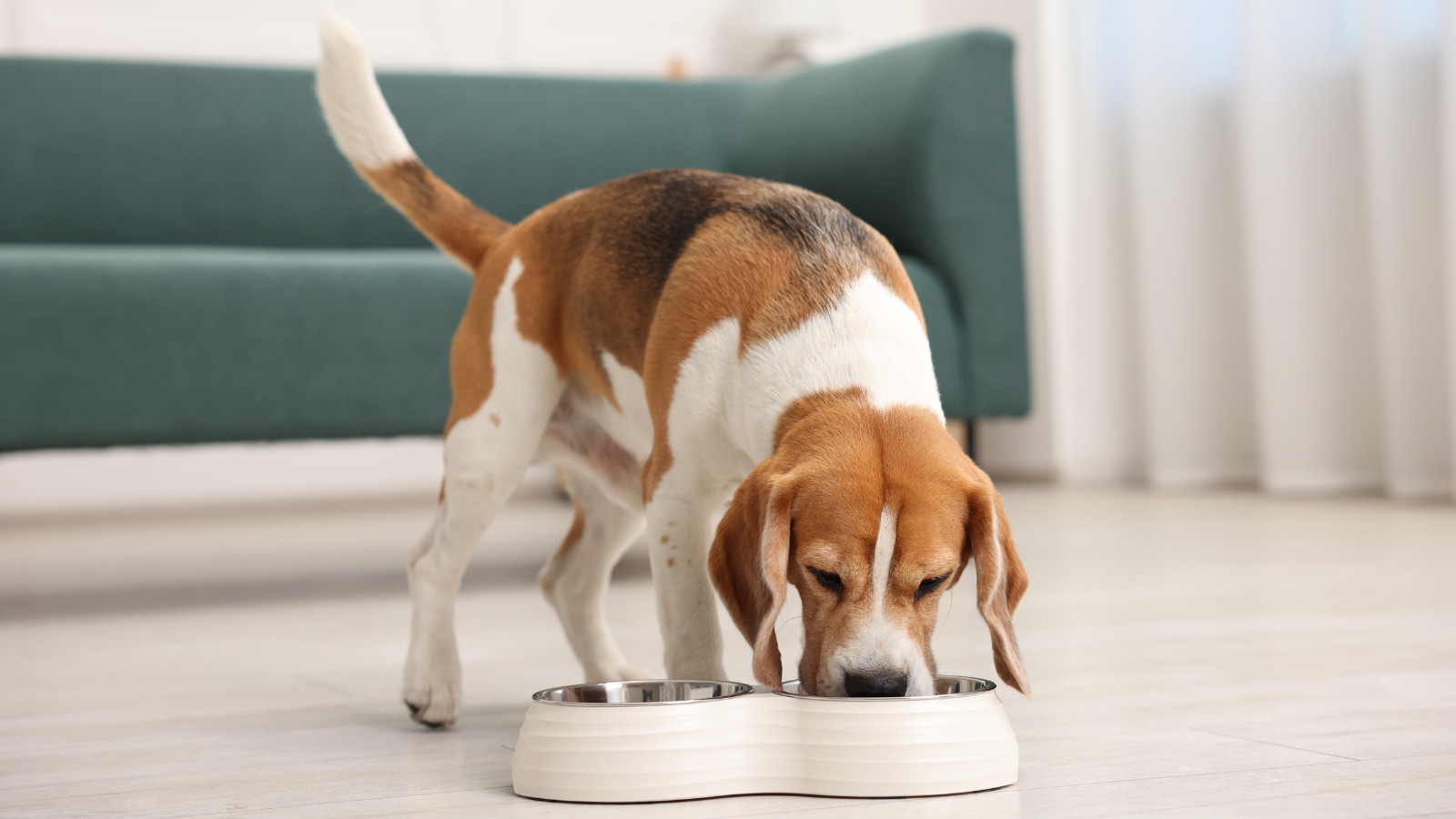
Nutrition isn’t where dog longevity starts. It’s most of the game. A dog eating the right food for ten years will outlive a genetically identical dog eating mid-grade kibble. You don’t need a $120 bag to get there. You need food formulated for what your dog actually is, fed in the right amount.
Start with the label. Look for “complete and balanced” and an AAFCO statement. No AAFCO, no purchase. Then match the food to the life stage: puppies need more calcium and calories, seniors benefit from joint support like glucosamine and omega-3s. Neutered dogs need a “light” or “neutered” formula because their metabolism shifts after surgery. Feeding the same calories you fed before the snip is how a healthy dog becomes a chubby one in eighteen months.
Portion size is where most owners go wrong, and it’s the easiest fix. Use a measuring cup, not the scoop you eyeball with. If you’re feeding wet and dry, reduce both proportionally instead of giving full portions of each. And if your vet ever recommends a prescription diet for a specific condition, start it. Therapeutic diets are one of the few things in veterinary medicine that work as well as the meds paired with them.
Regular Exercise
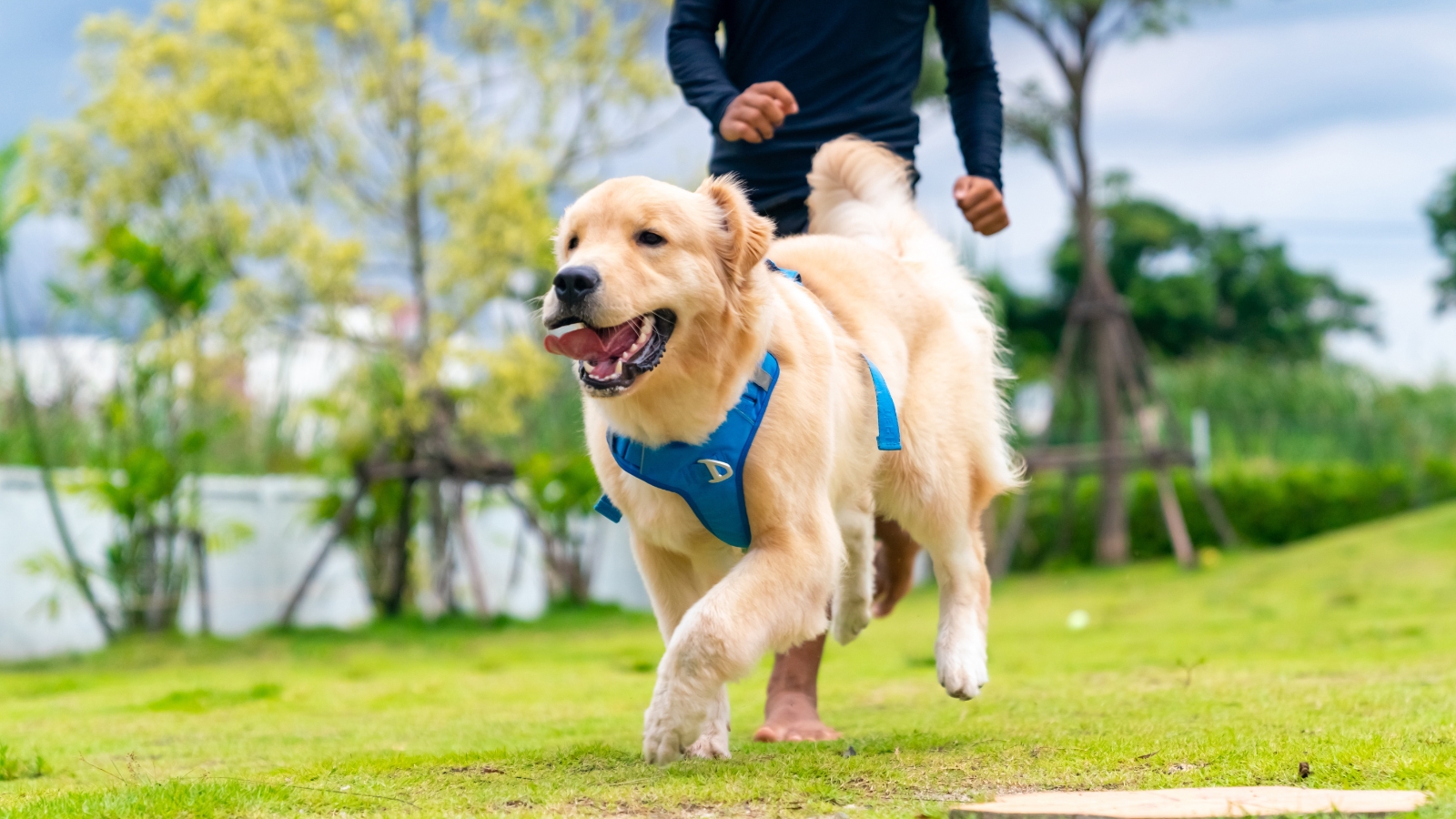
Regular, effective exercise has the same effect for our dogs as it does for us humans. This includes the release of feel-good chemicals from their brains.
Keeping your dog active can help maintain good muscle tone and keep joints supple and limber for longer.
Unfortunately, with age, comes age-related changes. Older dogs are often less active and part of the reason for that can be arthritic changes. It is important that at each life stage, we exercise our dogs appropriately. Some breeds will be more athletic than others so will tolerate and enjoy more intense exercise regimes.
We can provide joint support for them in their later years. This helps them stay as active as possible and utilize other forms of exercise too, such as hydrotherapy, which is less taxing in their joints.
Dental Care
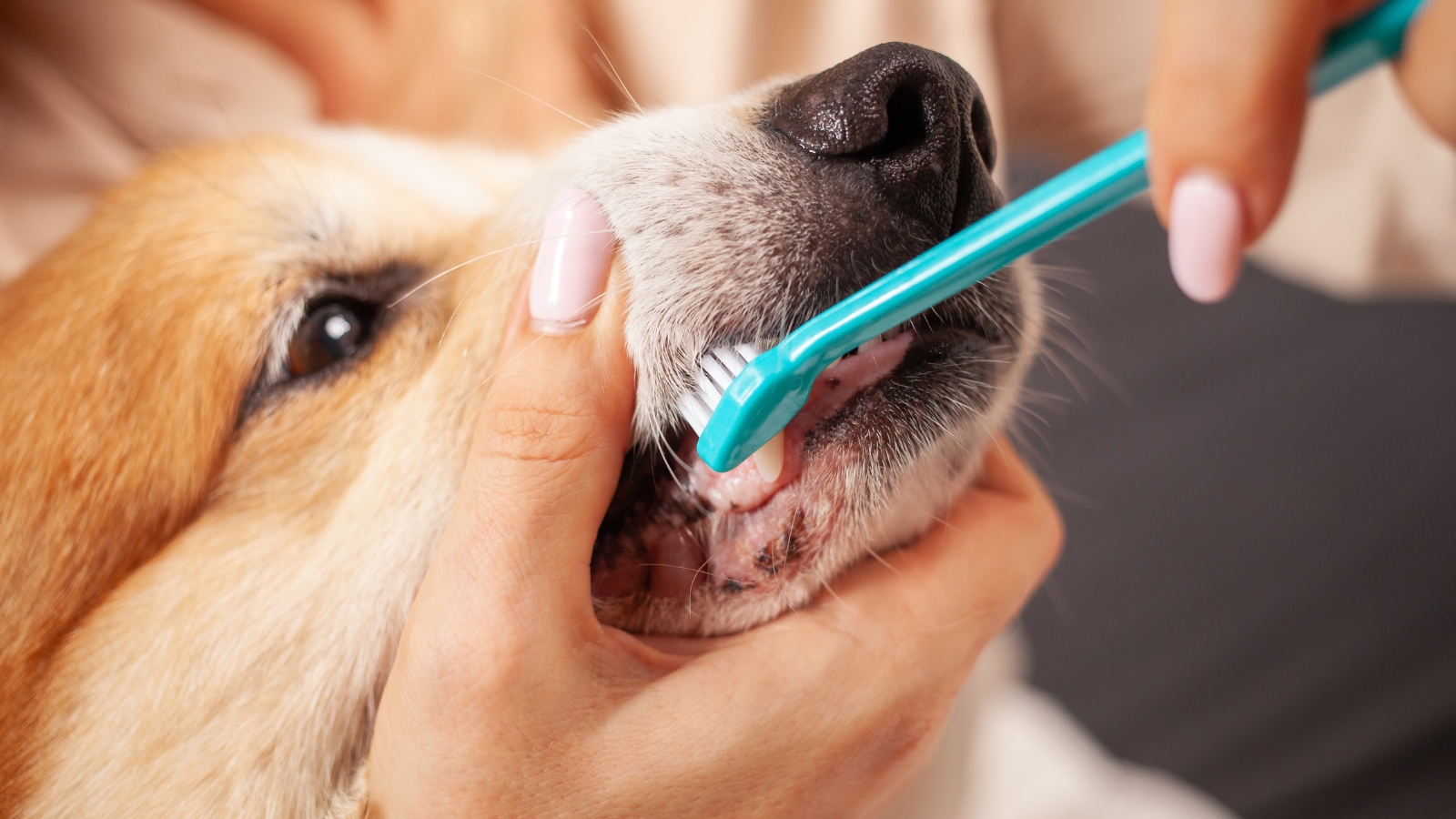
Just like our teeth, our dog’s teeth need taking care of too. We’re sure you’ve heard the term ‘dog breath’, and often it is brushed under the carpet as just that. But did you know this is a sign of dental disease? Teeth are a gateway to the rest of the body. So, if the teeth and gums are in bad health and diseased, it puts the health of the rest of their body at risk too.
An effective way of taking care of your dog’s teeth is brushing them, at least once per day. Use a dog-friendly toothpaste and a finger brush or children’s toothbrush. It is best to start this at a young age. This way, your dog becomes accustomed to it as part of their routine, but you can teach an old dog new tricks.
Don’t be disheartened if brushing their teeth is simply something they don’t tolerate. There are lots of other products which can help keep your dogs’ teeth in tip-top condition. Ranging from powder you can put in their food to dental diets, be sure to look out for the VOHC (Veterinary Oral Health Council) stamp of approval, so you know it’ll do what you want it to.
Regular Vet Visits
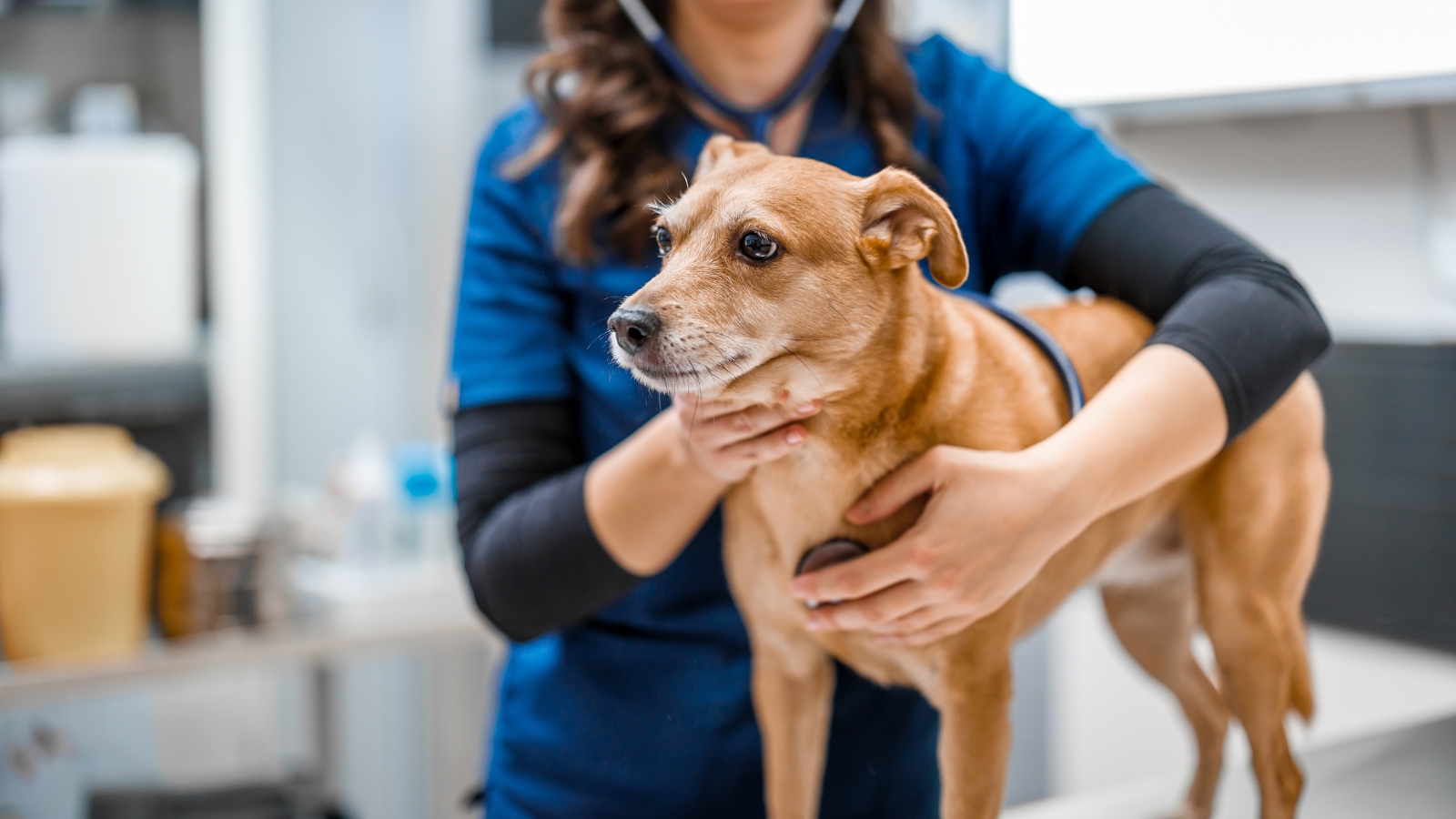
We love seeing you and your dog and are always happy to help no matter the circumstance. Visiting your vets regularly can help detect any new illness’ in their early stages, so they can be better treated or managed. We recommend having at least two health checks per year. One of which can be when they have their booster vaccination, and the other with a veterinary nurse, who can direct you to the vet if you or they have any concerns.
The more regular you visit your vet or veterinary nurse, the more acclimated your dog can become, too, so visits are less stressful for you all.
As your dog ages, it can be beneficial to add in some routine screening checks once per year, too. These can include blood tests and urine screening, and will help detect signs of disease before our naked eye can spot signs.
Pay Attention
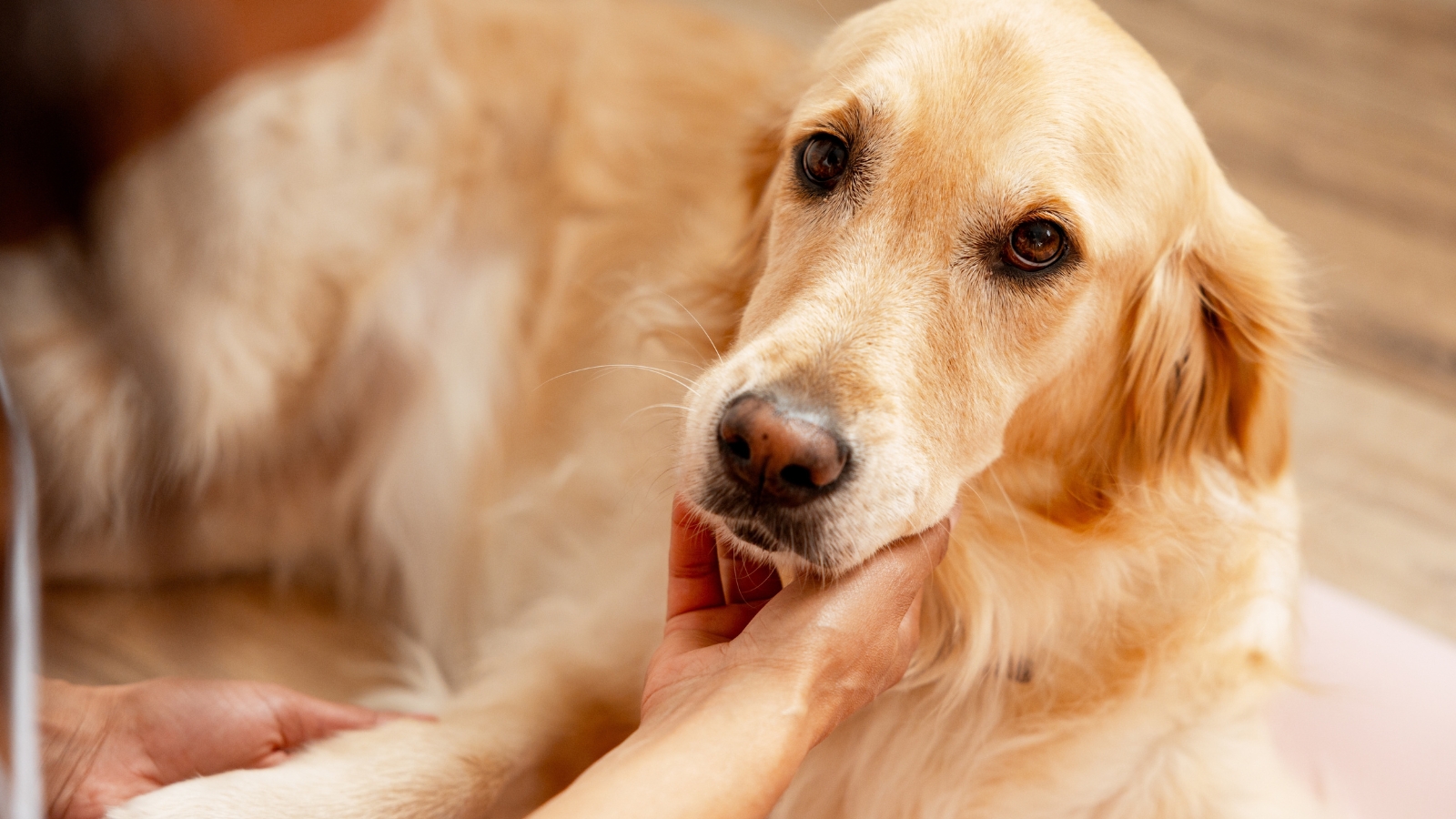
You know your dog better than anyone, so you will know when something seems awry. Dogs age faster than us, and as mentioned above, with age, comes age-related changes. You may notice, as your dog gets older, they slow down or struggle to see or hear you, or their usual eating, drinking or toileting habits begin to change.
In truthfulness, this can happen even at younger ages, so throughout your dog’s life, it is important to remain vigilant and pay attention – trust your gut instincts!
Regular vet visits can help detect signs of disease, but at any stage of their life, should you become concerned about something, visit your vet as soon as possible.
Mental Enrichment
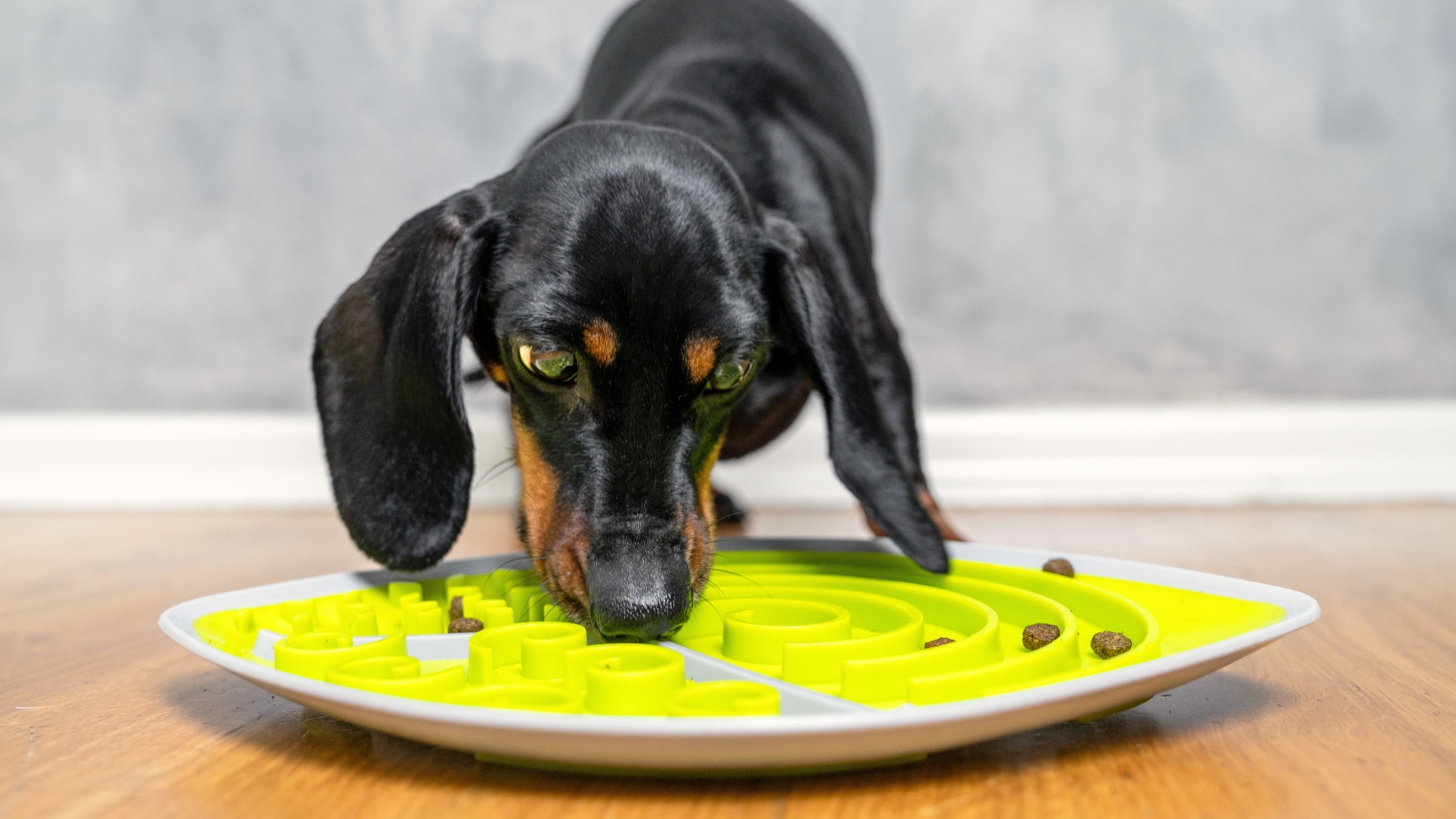
Mental enrichment is just as important as physical exercise. The brain requires its own workout! Dogs are clever creatures, with an incredible sense of sight, smell and taste.
You can provide mental enrichment in a variety of ways, including using a puzzle feeder, scattering treats around the house/garden, and teaching them new tricks to perform. A healthy mind helps boost a healthy life.
Dog Proof Your Home
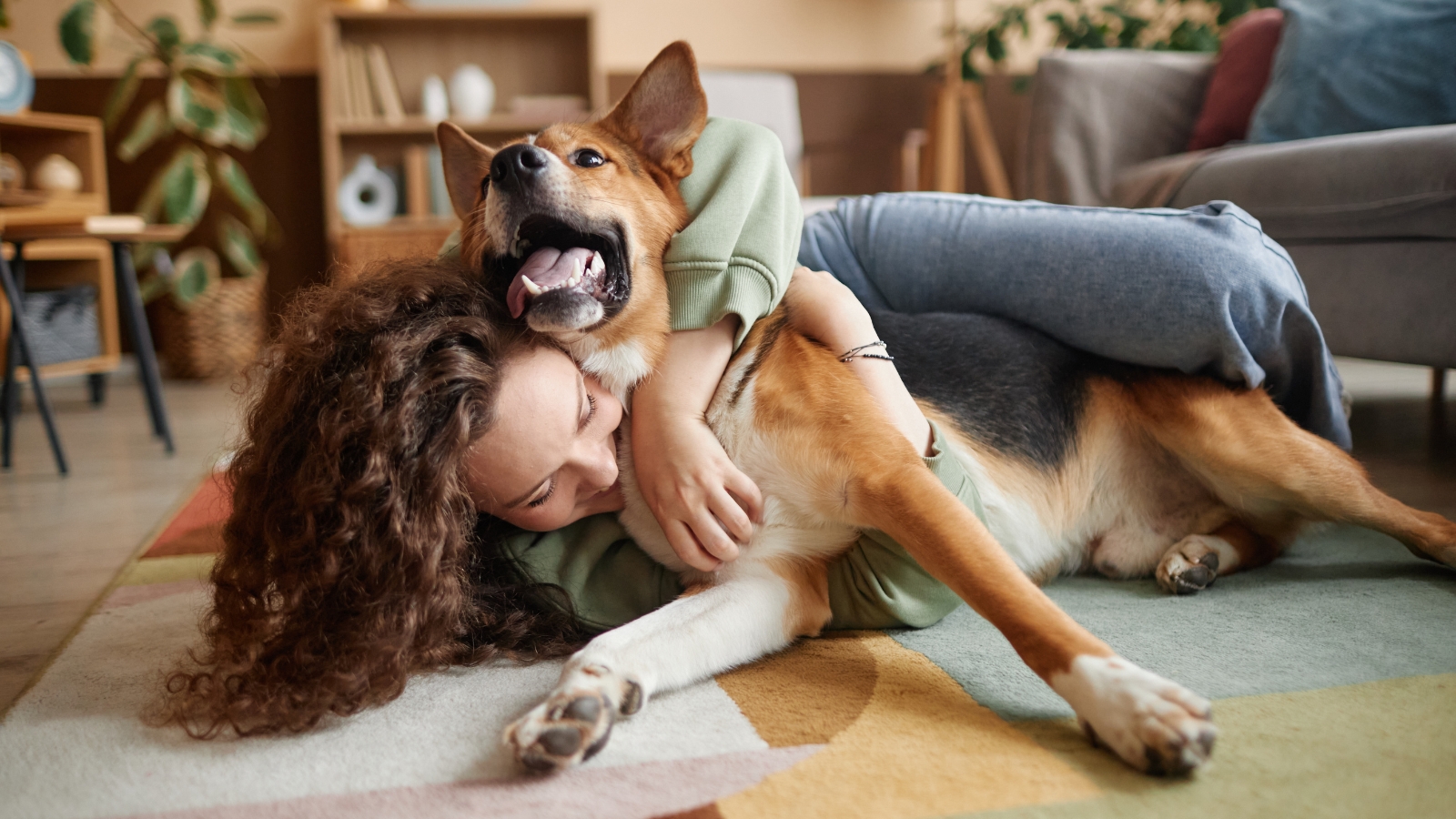
Your home is yours and your dog’s sanctuary, a safe space to make happy memories and enjoy spending time together. A super easy way to help expand your dog’s lifespan, is to eradicate the risk of them becoming exposed to something in the home which may cause them harm.
The house and garden can be a source of many common toxins, including foods (such as chocolate, onions, grapes), plants (such as poppies, bluebells, daffodils) and chemicals/medications (such as ibuprofen, alcohol, some cleaning products). Avoid letting your dog near any of these, by not having them, or keeping them securely stored away.
You may also wish to implement some other adaptations, such as stair gates, ramps, or non-slip rugs, which can be especially helpful for older dogs with mobility issues.
Preventative Care
It’s true what they say, prevention is better than cure!
Keep up to date with your pet’s preventative healthcare with yearly boosters and year-round, tailored parasite treatment, so they don’t become ill with any nasty infectious diseases or burdened with parasites, which can also cause further problems.
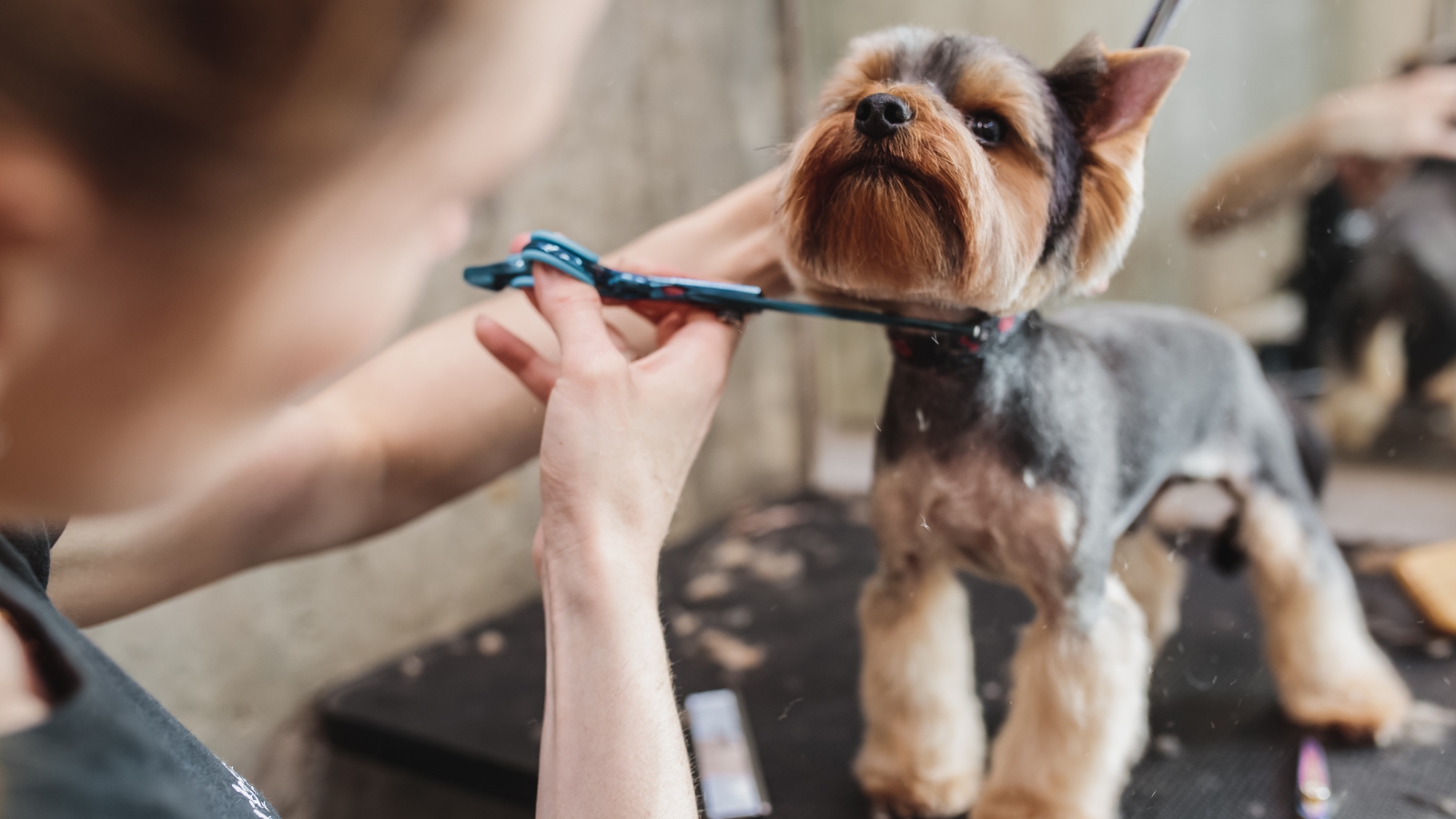
Certain dog breeds will need grooming regularly too. Keeping their coat in good condition means they won’t get any matting or harbour any dirt.
Be Prepared
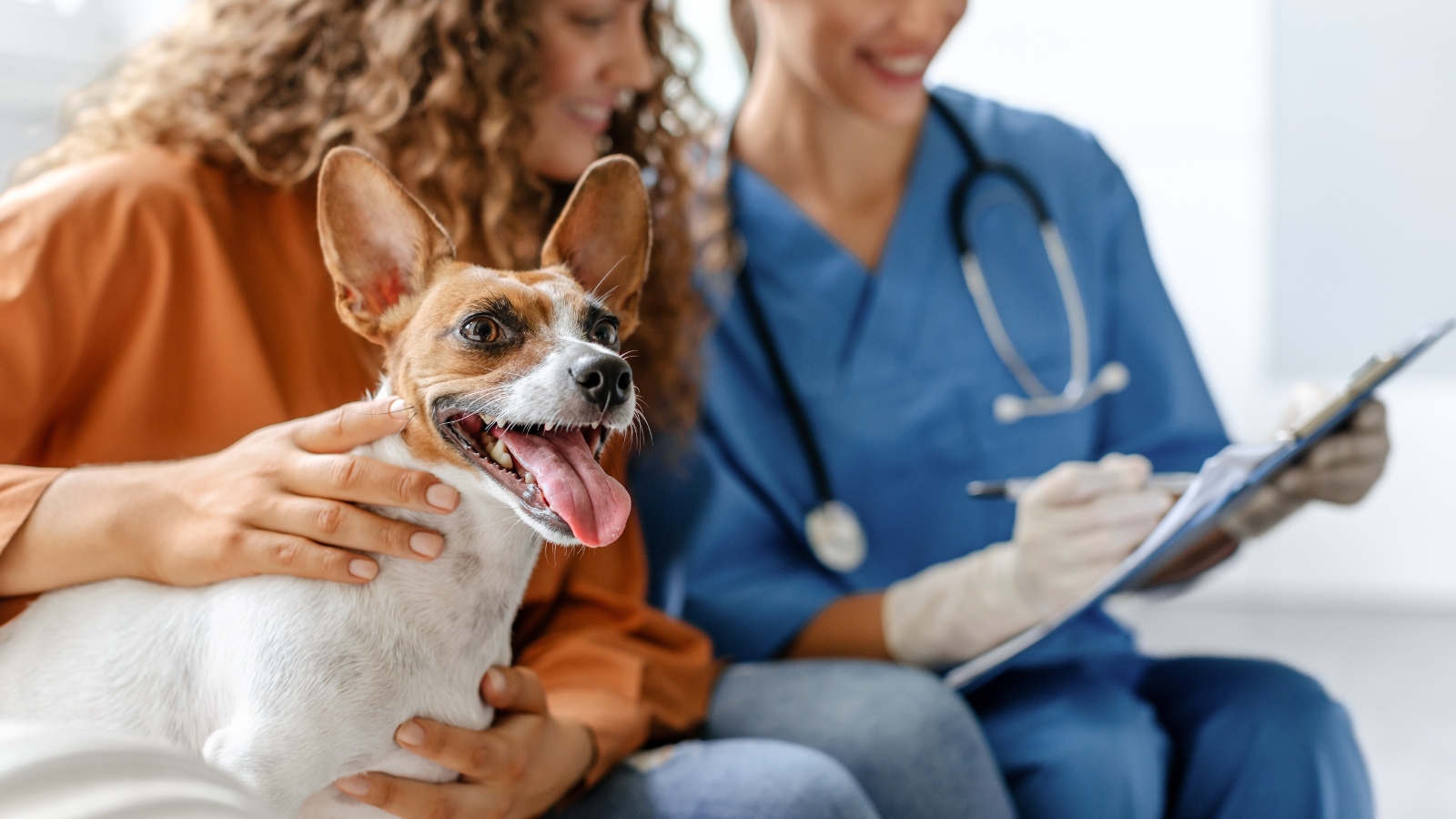
Try as we might to avoid them, unfortunately accidents and illnesses can happen. Be sure to have your dog registered at a nearby vets, and know where the emergency vets are, in case you need help during the night or on the weekend.
Did you know you can also learn dog first aid too? Find a reputable provider and learn all about how you can help your dog in an emergency situation and make yourself a pet first aid kit. Being able to provide care before getting to the veterinary practice can often make a huge difference.
Make us part of your pack when you search.
Add Caninely as a preferred source on Google and we'll be right there next time you go searching. Five seconds, and you get straight dog talk instead of the usual fluff.


9 Reasons Your Dog Snores Like a Freight Train
If your dog's snoring sounds more like a chainsaw than a cute little snuffle, you're not imagining things, and you're definitely not alone. Some snoring is harmless and breed-related, but other times it's your dog's body waving a red flag. Here are 9 reasons your dog might be snoring uncontrollably, plus how to tell when it's time to pay closer attention.