5 min read
Siberian Husky: Breed Characteristics, Care, and Photos
Siberian Huskies are the dogs people romanticize and rescues fill up with. Here's what owning one actually looks like, including exercise demands, escape artistry, vocal protests, and all the reasons the right home loves them anyway.

Contents
Here’s the thing nobody tells you before you bring home a Siberian Husky: the dog you’re picturing, the regal Instagram wolf staring soulfully into a snowstorm, is not the dog you’re getting.
You’re getting a 50-pound chaos goblin who will scream at you, dig a tunnel under your fence, and then look genuinely surprised when you’re upset about it. Huskies are gorgeous. Huskies are also a lifestyle.
The breed dropped from #26 to #30 on the AKC’s most popular list in 2025, which honestly tracks. People keep adopting them because they’re stunning, then keep surrendering them to rescues six months later because they cannot mentally cope with a dog that needs two hours of hard exercise and treats every fence as a personal challenge.
If you’ve done your homework and you’re still here, good. This is one of the most rewarding breeds you can own. It’s also one of the easiest to fail.
Breed Overview
Breed Pros and Cons
Pros
- Very friendly & sociable
- Minimal odor
- Very healthy purebred
- Thrives in cold climates
- Efficient eaters
- Expressive personality
Cons
- Escape artists
- 2+ hours of daily exercise
- Strong prey drive
- Seasonal coat blowouts
- Vocal protests, howling
- Stubborn streak
Physical Appearance
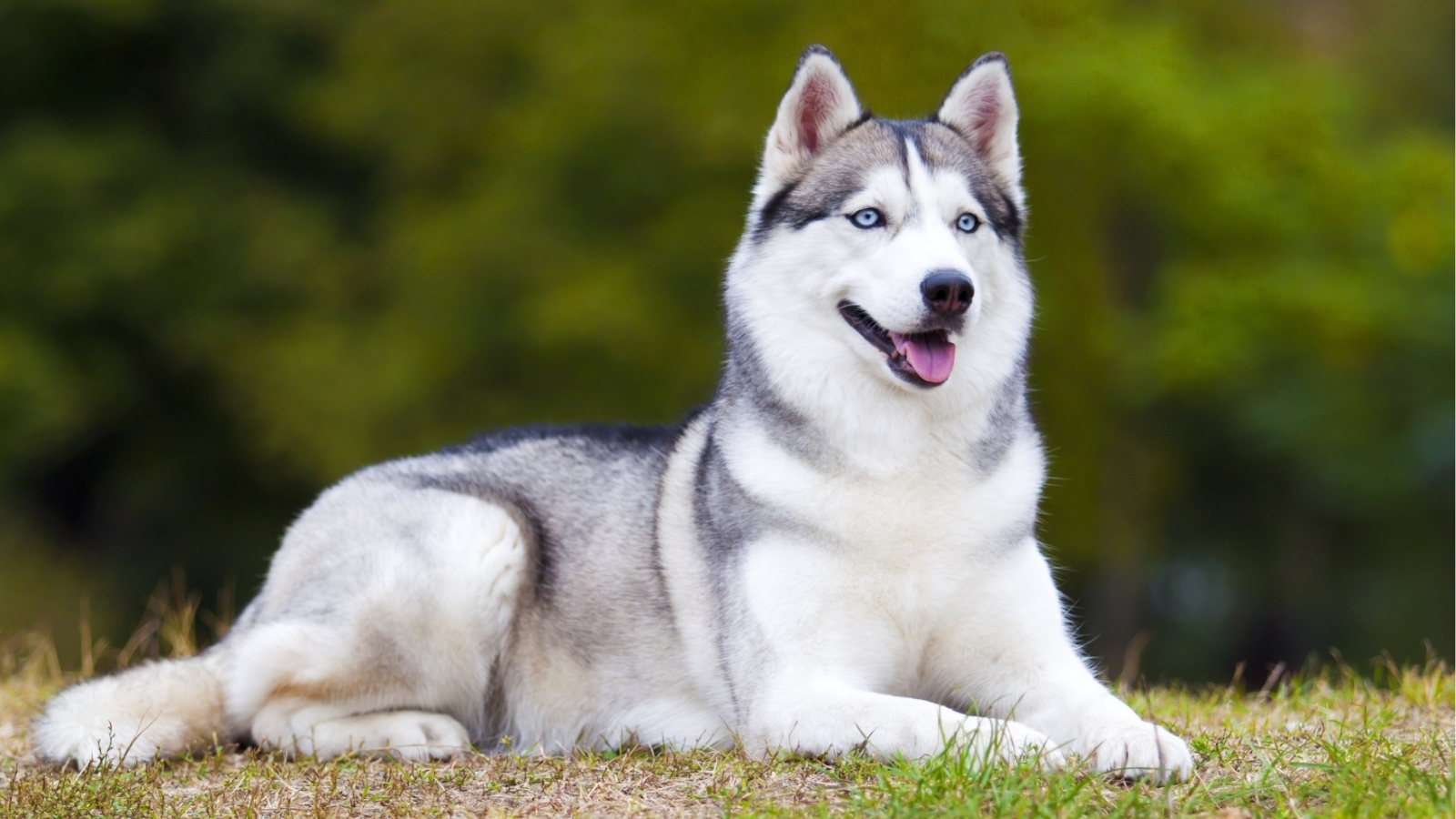
Siberian Huskies are medium-sized, but they fool everybody. Males run 45 to 60 pounds and stand 21 to 23.5 inches at the shoulder. Females are smaller, usually 35 to 50 pounds. They look bigger than they are because of the coat. That double layer of dense undercoat and straight guard hairs creates the illusion of a much larger dog. Strip the fur off and you’ve got a lean, almost greyhound-rectangular athlete underneath.
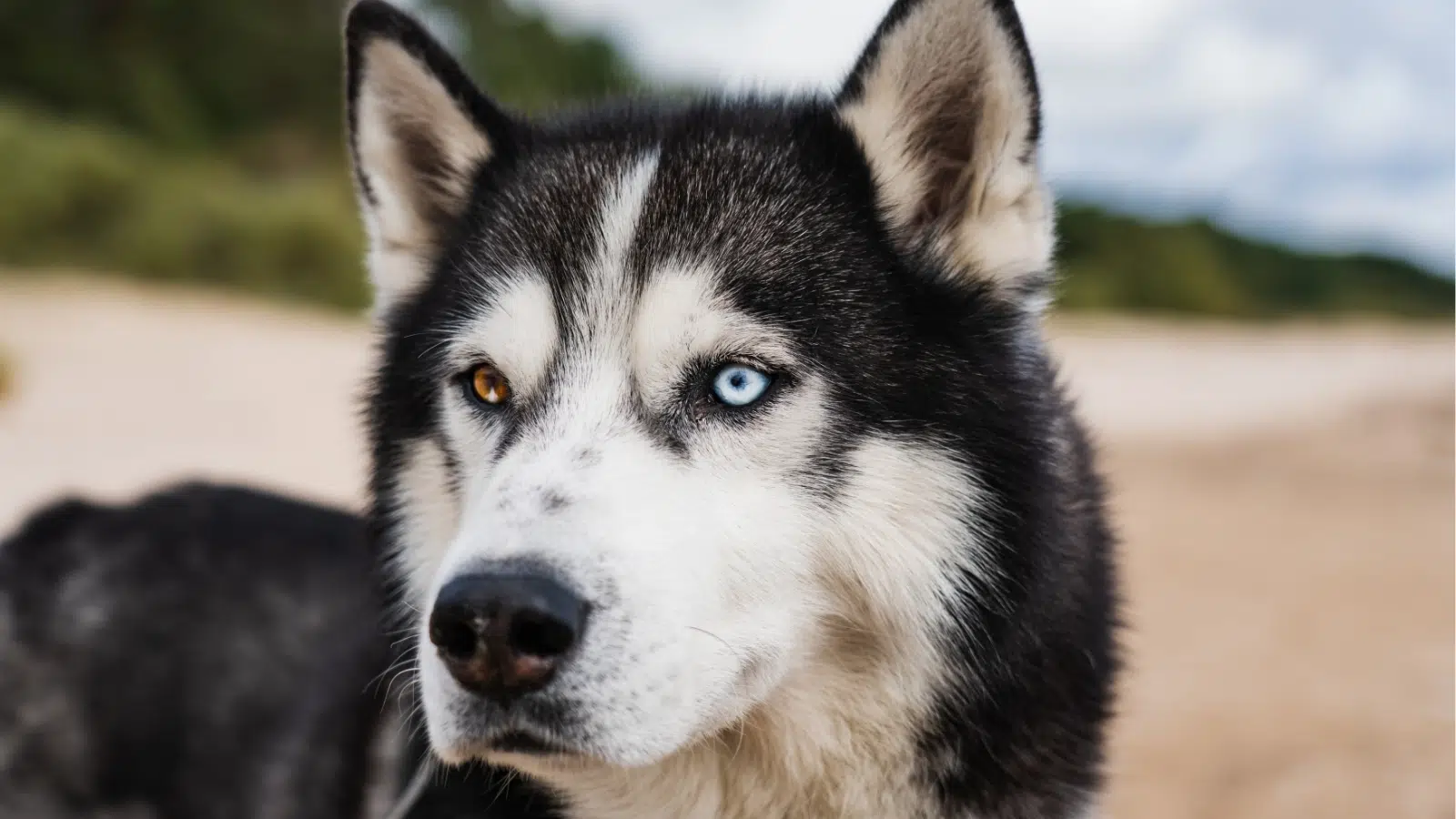
The Chukchi people who developed them weren’t going for impressive. They were going for efficient. Then there’s the face. Almond-shaped eyes that come in brown, blue, one of each, or split right down the middle of a single eye, and the breed standard accepts all of it. Triangular ears that sit high and stay erect.
Coat colors range from pure white to pure black with every gray, red, sable, and agouti pattern in between. The tail is the giveaway nobody talks about. When a Husky’s relaxed, it hangs low. Once something catches their attention, it curves up into what’s called a sickle. When they sleep curled up with the tail draped over their nose for warmth, that’s the famous Siberian Swirl. It’s one of the cutest things a dog will ever do.
Behavior & Temperament
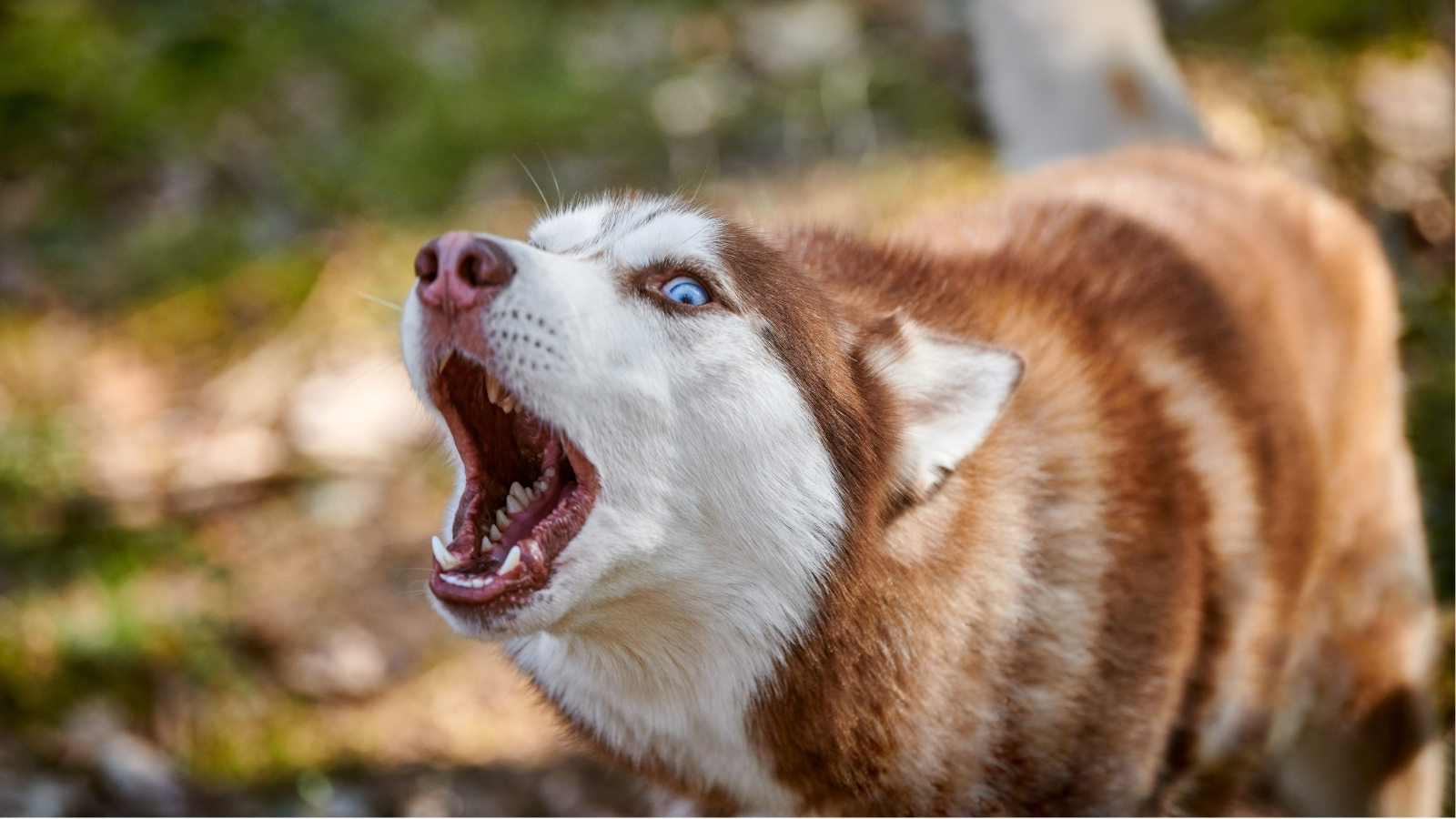
If you want a dog that will protect your house, get a different breed. Huskies are friendly to a fault. Burglars, mailmen, the kid who comes to read the gas meter, all of them are potential best friends. A Husky’s response to an intruder is more likely to be tail wags than barking. Honestly, they don’t really bark much at all. They howl. They yodel.
The flip side of that social, pack-oriented temperament is that they fall apart when left alone. This is a breed bred to work shoulder-to-shoulder with other dogs and humans across hundreds of frozen miles. Isolation isn’t just boring for them.
It’s psychologically damaging. A Husky left in a backyard for eight hours a day will dig, escape, scream, destroy your siding, and broadcast their grievances to the entire neighborhood. None of that is bad behavior. That’s a working dog asking you why you bought them.
Then there’s the prey drive, which is the part new owners always underestimate. Huskies were developed in an environment where finding their own food sometimes meant catching it. That instinct didn’t get bred out. Cats, rabbits, squirrels, small dogs, a Husky on a walk who spots one will pull you off your feet without a second thought. Trust me on this one. A 50-pound dog with a singular purpose is functionally a freight train.
Ideal Home Life
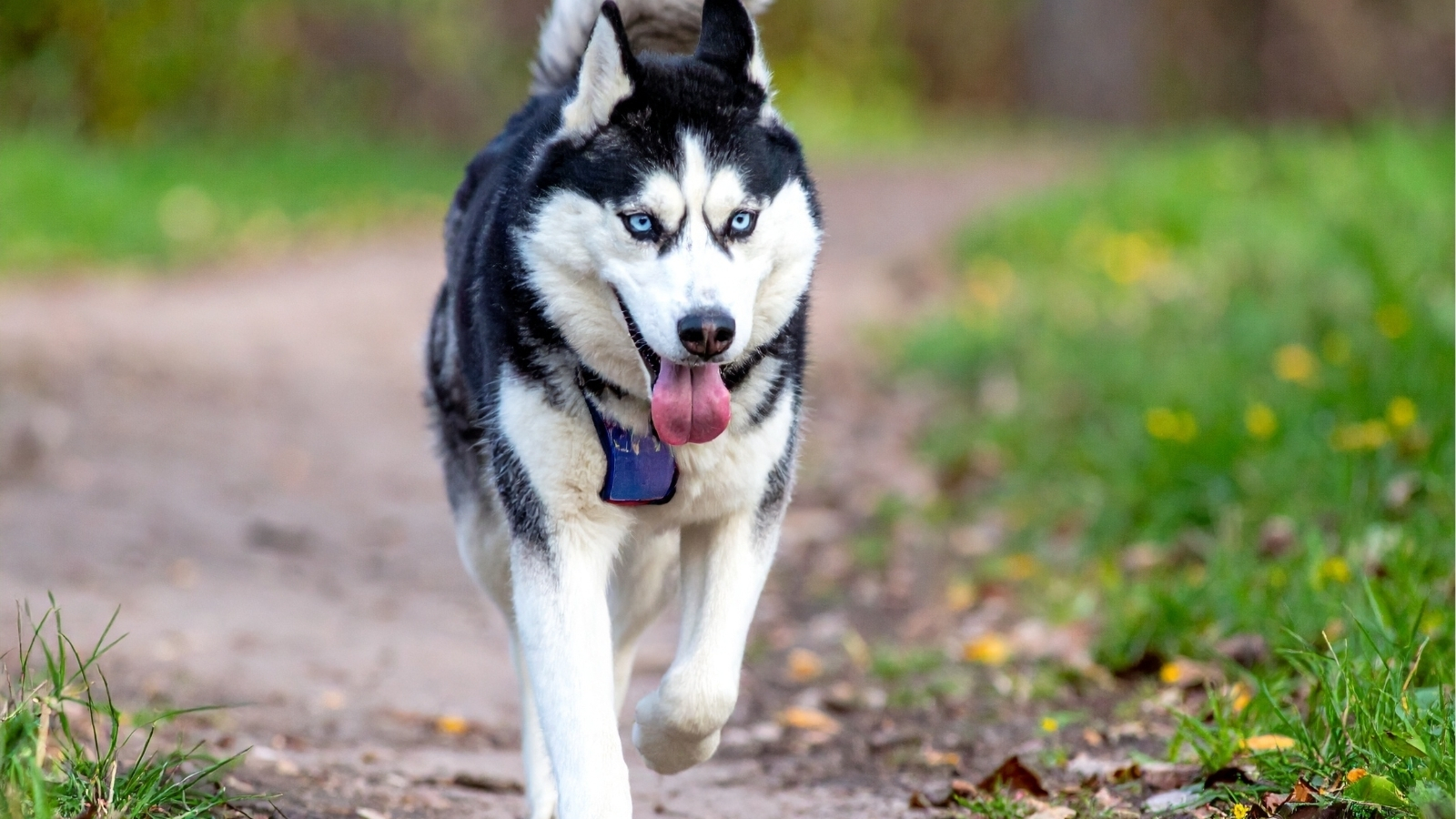
The honest answer about who should own a Husky is: someone who already runs, hikes, skis, bikes, or skijors, and who wants a dog along for it. Not someone who plans to “get more active” once they have the dog. Sled dogs were bred to pull loads up to 100 miles in a day, and that engine doesn’t shut off because you live in a cul-de-sac now.
They do best in a home with a securely fenced yard. And we mean securely. Six feet minimum, buried wire at the base, and ideally an interior secondary barrier near the gate. Huskies will dig under, climb over, chew through, and slip out of openings smaller than they are. They’ve been described as escape artists by every credible source going, and the Houdini stories from owners are legendary because they’re true.
Climate matters too. These dogs were built for arctic temperatures, and they suffer in southern summers. If you live somewhere with hot months, you need air conditioning, shade, water access, and the discipline to walk them at dawn or after sunset. Heat tolerance is the lowest score on their adaptability sheet for a reason.
They can live happy lives in Texas or Florida, plenty do, but it requires an owner who plans around the weather. Families with kids tend to do well with Huskies because the dogs are sociable and resilient. Just don’t expect them to babysit. They’re playmates, not nannies.
Health Risks
Juvenile Cataracts
Cataracts are the headline health issue for the breed, affecting roughly 10% of Siberian Huskies, often developing within the first 6 to 12 months of life. The lens clouds, vision blurs, and untreated cases can progress to blindness. Reputable breeders screen breeding stock through OFA eye certifications, and surgical correction is available if it progresses. This is the single biggest reason to vet your breeder hard before buying a puppy.
Progressive Retinal Atrophy (PRA)
PRA is a genetic condition that gradually destroys the retina, starting with night blindness and progressing to full blindness over months or years. Early signs include hesitation in low light or bumping into furniture in dim rooms. There’s no cure, but the progression is slow enough that most dogs adapt remarkably well. DNA testing now identifies carriers, so any breeder worth their fee can show you results.
Corneal Dystrophy
This is a hereditary condition where small opaque deposits form in the cornea, sometimes visible as cloudy patches. It’s usually painless and often doesn’t significantly impair vision, but in severe cases it can. There’s no cure but most dogs live normal lives with it. Worth mentioning to your vet at annual checkups so they can monitor changes.
Hypothyroidism
The thyroid stops producing enough hormone, the metabolism slows down, and you start seeing weight gain, lethargy, hair loss, dry skin, and sometimes even behavioral changes like fearfulness. It tends to show up in middle age. The good news is it’s one of the most easily managed conditions in veterinary medicine. A daily thyroid pill, regular bloodwork, and your dog goes back to normal. A simple blood panel catches it.
Hip Dysplasia
Here’s a surprise. Despite what you’ll read all over the internet, Siberian Huskies are one of the least hip-dysplasia-prone medium-large breeds. OFA data put the breed at #111 out of 114 breeds at risk, with only about 2.2% of evaluated dogs showing dysplasia. The Chukchi bred them for function, and bad hips don’t pull a sled 100 miles. It’s still worth screening, but don’t lose sleep over it the way you would with a Mastiff.
Zinc-Responsive Dermatosis
Huskies have a quirk where they don’t absorb dietary zinc as efficiently as most breeds, leading to crusty, scaly skin lesions around the face, eyes, paws, and groin. It’s not a true food allergy. It’s a metabolic glitch. Treatment is straightforward: zinc supplementation under vet guidance and a high-quality diet. Skin clears up fast once levels normalize.
Uveodermatologic Syndrome
This is a rare autoimmune disorder where the body attacks pigment cells in the eyes and skin. You’ll see redness or inflammation in the eyes first, sometimes followed by skin pigment loss. Untreated, it can cause blindness. It’s not common, but it’s a known breed risk. Early veterinary intervention with immunosuppressive therapy is critical.
Epilepsy
Idiopathic epilepsy, seizures with no identifiable cause, shows up in some Husky lines, usually first appearing between 1 and 5 years of age. It’s frightening to witness but generally manageable with daily anticonvulsant medication. Most epileptic Huskies live full, normal lifespans. If your puppy comes from lines with documented seizures, ask the breeder hard questions.
Projected Cost of Ownership
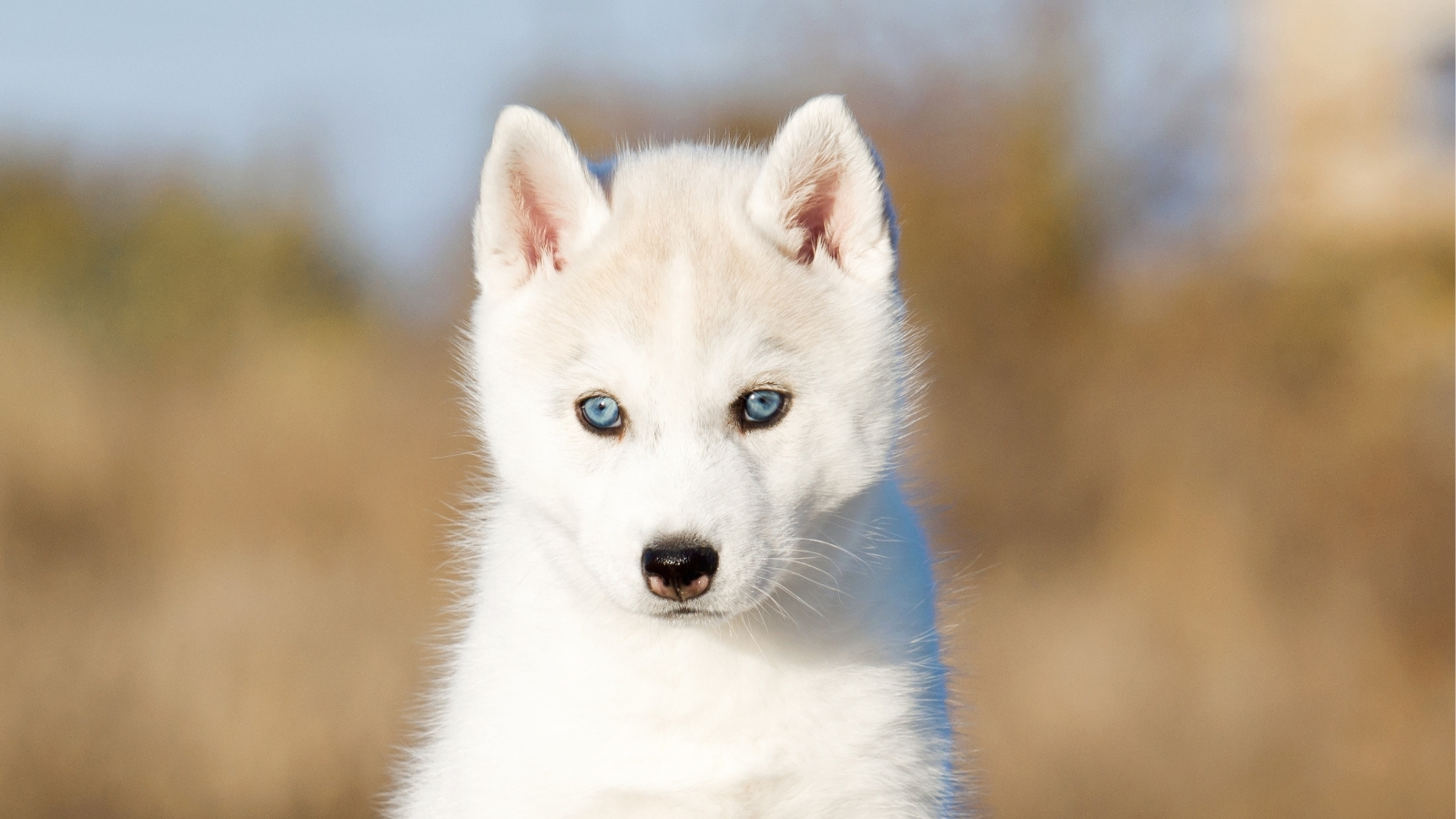
Here’s where Huskies actually save you money compared to other working breeds their size. They’re famously efficient eaters, bred to cover serious distance on minimal calories, so your food bill runs lower than you’d think for a 50-pound dog.
The real costs hit in two places: the puppy itself (good Husky breeders aren’t cheap) and the secondary expenses around containment and exercise gear that most breeds don’t require.
Reputable Husky puppies from health-tested parents typically run $1,000 to $2,500. Show or working sled lines can climb higher. Skip the bargain Craigslist puppies. This is a breed where genetic eye and thyroid issues hide easily, and a $400 “savings” up front becomes a $4,000 cataract surgery later. Below is a realistic year-one and ongoing budget.
| Expense | Initial | Monthly | Annual |
|---|---|---|---|
| Purchase | $1,000-$2,500+ | — | — |
| Supplies | $300-$600 | — | — |
| Food | — | $50-$80 | $600-$960 |
| Veterinary | $500-$1,200 | — | $300-$700 |
| Training | $200-$600 | — | Varies |
| Grooming | $80-$150 | — | $60-$100/session |
| Insurance | — | $35-$65 | $420-$780 |
| Boarding | — | Varies | $35-$60/day |
| Replacements | — | — | $200-$500 |
| TOTALS | $2,080-$5,050 | $85-$145 | $1,580-$2,940+ |
The line item nobody warns you about is “replacements.” First-time Husky owners universally underestimate how much stuff this dog will destroy in the first 18 months. Drywall, baseboards, sprinkler heads, fence panels, three different leashes, your favorite hiking boots. Budget for it, mentally and financially. It’s part of the deal.
Pet insurance is worth genuine consideration with this breed because of the eye issues. A single cataract surgery runs $3,000 to $5,000 per eye, and a good policy covering 80% of that pays for itself fast. Get the policy before you have a problem. Most plans exclude pre-existing conditions, and “we noticed cloudiness at the last vet visit” counts.
History and Breed Origins
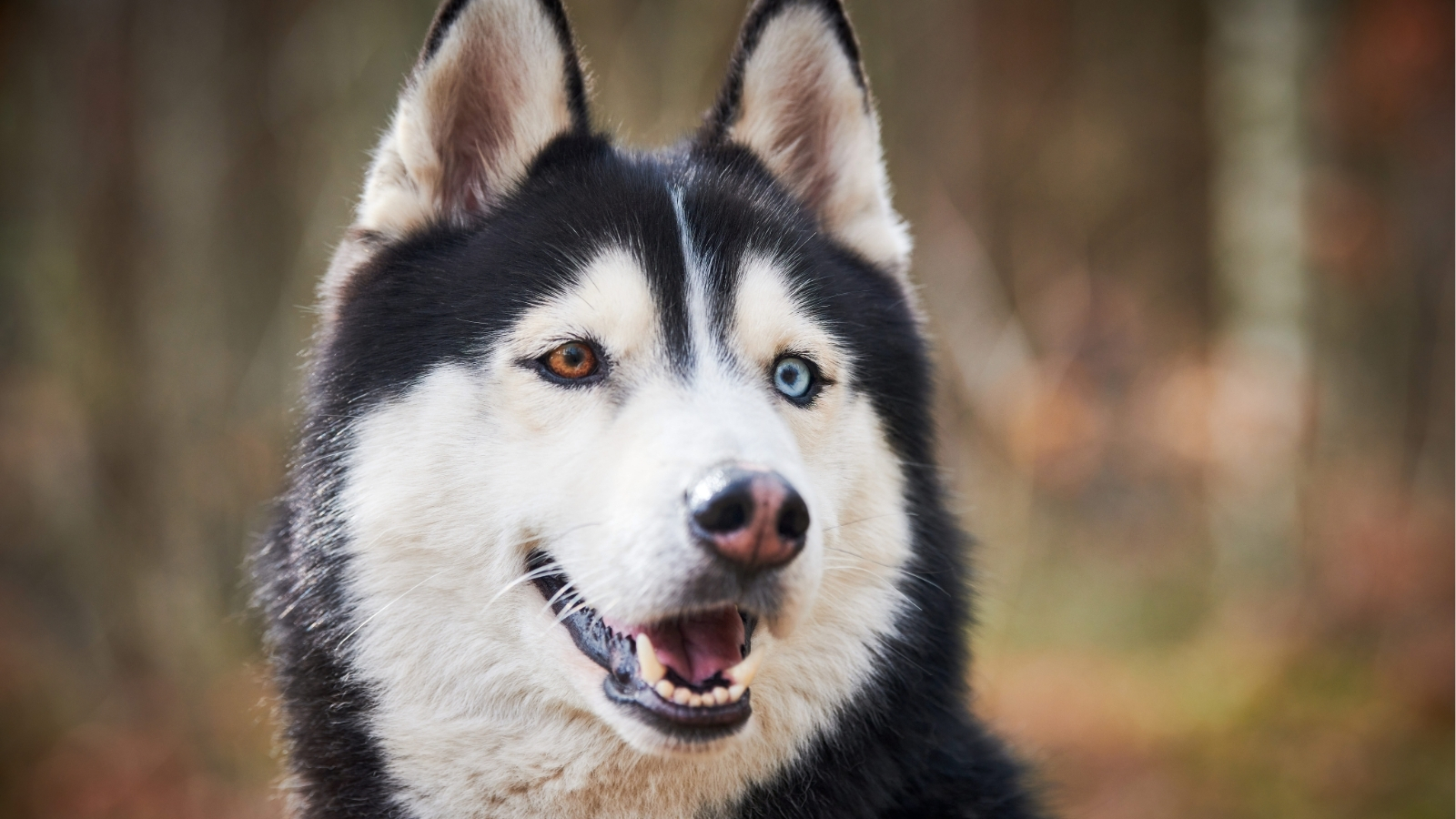
The Siberian Husky’s actual lineage is older than most breeds by orders of magnitude. Genetic studies trace today’s Husky to a sled dog lineage going back over 9,500 years in northeastern Siberia. The Chukchi people of the Russian Far East developed them as both working sled dogs and family companions, often sleeping inside the home with children for shared warmth. That’s where the social temperament comes from. Aggression got bred out because aggressive dogs in a small communal dwelling didn’t make it to the next generation.
The breed arrived in North America in 1908 when a Russian fur trader named William Goosak imported the first team to Nome, Alaska, during the Gold Rush. The locals called them “Siberian Rats” because they were so much smaller than the Alaskan Malamutes already in use. A 40 to 50 pound dog versus the Mal’s 75 to 85.
The skepticism didn’t last. Siberian teams started winning the All-Alaska Sweepstakes, a 408-mile race, and the breed’s reputation as the fastest, most efficient sled dog in the world was sealed.
The story most people know is the 1925 Serum Run to Nome. The relay where 20 mushers and roughly 150 sled dogs covered 674 miles in five and a half days through a blizzard to deliver diphtheria antitoxin to a quarantined town. The lead dogs Balto and Togo became national heroes, though Togo, who covered the longest and most dangerous leg, did most of the work and got less of the credit.
The AKC recognized the Siberian Husky in 1930. The breed standard, written in 1932, has barely changed since. Look at a Husky today and you’re looking at the same dog the Chukchi were running across the tundra a thousand years ago.
Frequently Asked Questions
Are they good first-time-owner dogs?
Generally, no. They’re not aggressive or dangerous, but their exercise demands, escape skills, and stubborn streak punish inexperienced training. Most rescue surrenders happen at the 6 to 18 month mark when owners realize the cute puppy turned into a 50-pound problem. If you’re set on one as a first dog, commit to professional training from week one and don’t skimp on the fence.
Can they be left alone during the workday?
Not happily. Eight or nine hours alone is genuinely difficult for this breed. They’re pack dogs by every measure, and isolation triggers destructive behavior, escape attempts, and vocal protests your neighbors will hate. If you work full-time outside the home, plan on dog daycare a few days a week, a midday walker, or a second dog as a buddy. A bored Husky is a Husky who will redecorate your house.
How much do they shed?
A staggering amount. They have a double coat that sheds moderately year-round and then “blows”, meaning sheds the entire undercoat in clumps, twice a year, usually spring and fall. During blowout, you’ll vacuum daily and still find fur tumbleweeds. Weekly brushing helps. A real undercoat rake during blowouts is non-negotiable. Owning a black wardrobe is a personal choice you’ll have to make.
Are they aggressive or dangerous?
Toward people, almost never. They’re famously friendly, and the breed standard explicitly disqualifies aggression. The risk is prey drive. Cats, rabbits, hamsters, small dogs, and chickens can all trigger it. Plenty of Huskies live peacefully with cats they grew up with, but most can’t be trusted off-leash around small animals they don’t know. This is genetic, not training.
Do they bark that much?
Barely. They’re a vocal breed, but the vocalizations are howls, yodels, whines, and remarkably specific arguing sounds that owners often describe as “talking.” Some Huskies can mimic words. They’ll absolutely tell you when they’re displeased, at length and at volume, but the traditional bark is rare. Your neighbors will still hear them. Trust me on that.
Sources
Make us part of your pack when you search.
Add Caninely as a preferred source on Google and we'll be right there next time you go searching. Five seconds, and you get straight dog talk instead of the usual fluff.


Saint Bernard: Breed Characteristics, Care, and Photos
Saint Bernards are gentle giants with a clock that runs fast. Drool, dysplasia, heatstroke risk, and a heart of gold. Here's the honest version, from someone who actually owns one, and the unflattering parts most breed profiles skip.