9 min read
21 Healthy Dog Breeds Vets Love (And 7 They Watch Closely)
Not all dog breeds are built the same. Some are genetically wired for long, active lives with far fewer trips to the vet. Here are 21 dog breeds veterinarians say have the fewest health problems, ranked by longevity, joint health, and overall resilience.
Vet Approved

This information is current and up-to-date in accordance with the latest veterinarian research. Learn more
Contents
When choosing their perfect pet, most owners are obviously keen to avoid one with health problems. Not only can your pet’s health affect their quality of life and longevity, but it also has a significant impact on the pet-owner bond. A happy and healthy dog will give you companionship for many years to come.
While all dogs can potentially suffer from health problems, some breeds may be considered healthier than others.
Let’s explore 21 different dog breeds that are least associated with health complaints, as well as some of the things that you can look out for when choosing a puppy. We’ll also explore the steps you can take to safeguard your dog against health issues.
Whippets

The Whippet is a little dynamo bred for racing, but they are just as happy balancing their day with some sofa time. Whippets come in a variety of colors and their short, sleek coat is easy to maintain. Whippets are playful and affectionate, and they are a breed that is not predisposed to many health issues.
Jack Russell Terriers

As with many terrier breeds, the Jack Russell is hardy and has been bred for a busy working lifestyle. Their small size makes them suitable for many different home environments if they receive enough stimulation and exercise.
As with most pedigree breeds, there are some health conditions that they could develop, but choosing your puppy from a reputable breeder can help reduce the risk. Many Jack Russells can live into their teenage years with the right care.
Border Collies

Border collies have been bred as farm dogs and they live for hard work. However, they are pretty versatile and also commonly used as sniffer dogs or in agility competitions. As such they need plenty of exercise and mental stimulation to keep them happy. In many cases, they can live to over 12 years of age.
Border Terriers

A small British breed of dog, the Border Terrier is known for being energetic and tough. They are at home in the countryside or city, if they get enough exercise each day. Border terriers can live to over 12 years of age with the right care.
Australian Cattle Dog

A breed that is gaining recognition, thanks to the popular kid’s cartoon ‘Bluey’. Australian cattle dogs were bred for hard work on Australian cattle ranches. This hardy little dog has an average lifespan of 12-16 years.
In fact, the longest-recorded living dog was actually called Bluey. According to the Guinness World Records, she lived for 29 years!
Basenjis

Basenji’s are a small barkless hound dog, but this doesn’t mean they are quiet! They have a very characteristic yodel instead. Basenji’s can be very affectionate with their family members, but aloof with strangers.
They are a very attractive breed with large ears and a chestnut red coat. They often live to 12 -14 years of age.
Beagles

Another working dog, the Beagle is sturdy and energetic. Their small-medium size means that they are easy for many owners to manage, however they can be a stubborn breed.
They are also highly food motivated, so care needs to be taken to keep their weight under control. A healthy beagle may live between 10 and 15 years of age.
Bichon Frise

The Bichon Frise makes a great companion dog. While it can succumb to the same issues that many small breeds suffer from, such as dental disease and patella luxation, this little dog is not prone to other health problems.
Their non-shedding coat is also attractive to owners who want to avoid excess fur in their home, but this does mean regular trips to the groomer.
Chihuahuas

This tiny dog originates from Mexico, and their big personality makes up for its small size! The Chihuahua comes in smooth or long-coated varieties and can live well into their teenage years with the right care.
As with many small breeds, they are prone to dental disease, so extra care must be taken with oral hygiene and they will need regular dental check-ups.
English Pointers

English pointers were bred for flushing out game birds, so they are energetic dogs, and working on their recall is important. However, they are also happy snuggling up on the sofa of an evening.
Their attractive dappled appearance, easy-to-care-for coat, and even temper make them a popular choice. Choosing a puppy from a reputable breeder is important to reduce the risk of inherited conditions like elbow and hip dysplasia.
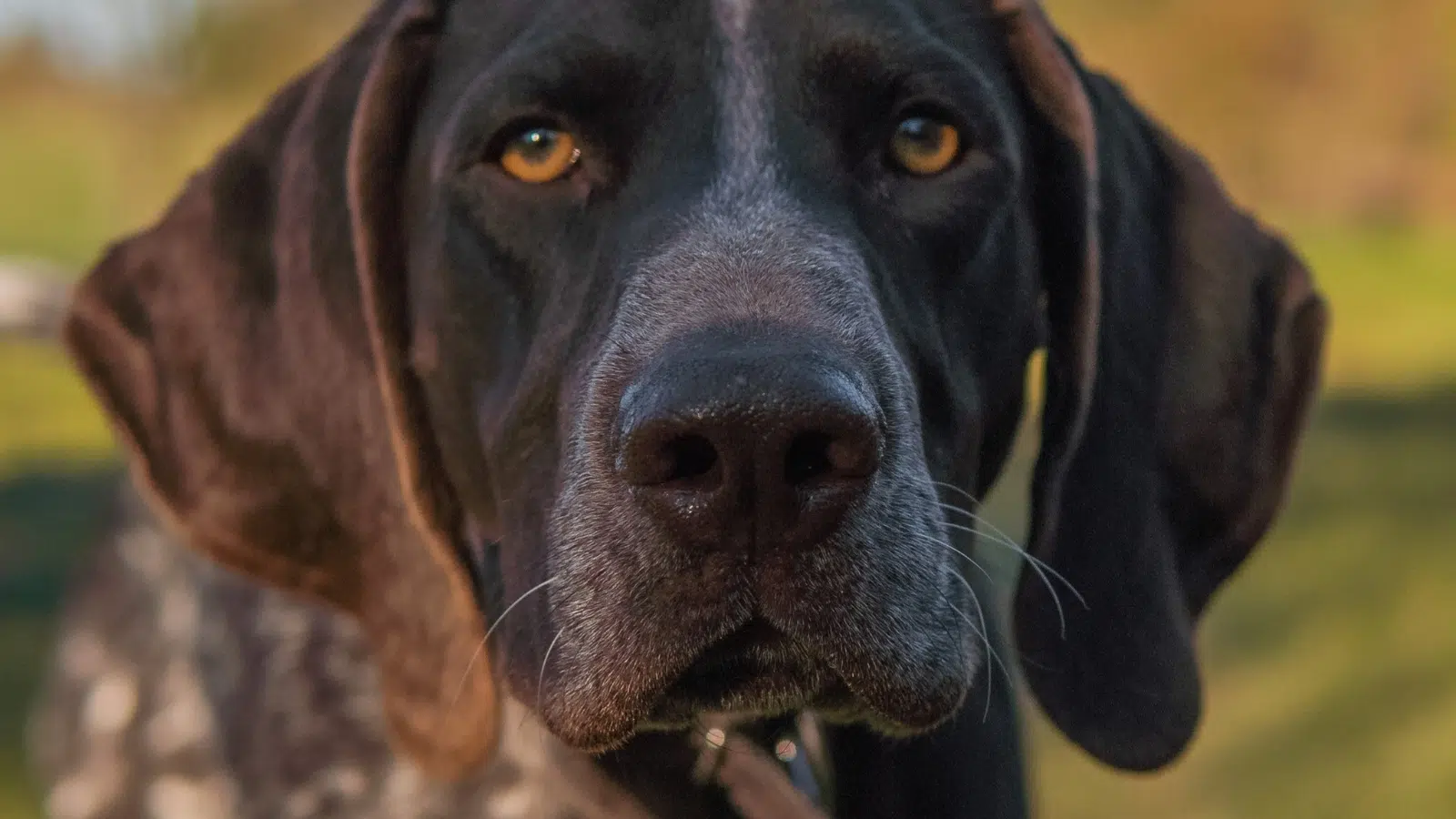
German Short Haired Pointers

The German Short Haired pointer is a popular member of the gun dog group. They are a good all-rounder with an easy-to-care-for coat. As with many larger breeds of dogs, they are at risk from hip dysplasia.
So, make sure your chosen puppy breeder has screened their dogs for hip issues before breeding from them. They can live to over 10 years of age.
Miniature Schnauzers

The Miniature Schnauzer is another small dog with a big personality. When groomed in their classic style, this dog has a characteristic beard, fluffy feet, and a short coat on their body.
This dog is hugely popular thanks to its compact size and spirited nature. While generally healthy, it is worth being aware that this dog is one of many breeds that are prone to a painful abdominal condition known as pancreatitis.
Poodles

Poodles come in a variety of sizes and colors and often reach a good age. Toy and Miniature Poodles are very popular due to their compact size and the fact they retain all the personality and intelligence of the larger Standard Poodle.
Poodles also don’t shed, which is an advantage for some owners as it means they will not leave fur around the house. The smaller Poodle types can suffer from dental disease and luxating patella, whereas the Standard Poodle is at increased risk from hip dysplasia. All sizes of poodles can live to over 12 years of age with the right care, however.
Siberian Huskies

Siberian Huskies are not a beginner dog, they require plenty of exercise and stimulation. They also require a lot of grooming, thanks to their thick double coat.
They are not designed for living in a flat, as they need plenty of space and may get too warm indoors. However, they are a healthy breed and can live to 12-15 years of age.
Manchester Terriers

An uncommon breed, the Manchester Terrier is sleek and refined in appearance. They were originally bred to control rat populations, so they are energetic and intelligent. Their compact size and short coat make them relatively easy to care for, plus they are well suited to city or country life. This little dog can live into their teenage years.
Papillons

This little companion dog has attractive ‘butterfly-like’ ears which give rise to their French name, Papillon. The Papillon is dainty and doesn’t require much exercise, 30 minutes a day is usually enough. They can live over 12 years of age but will require regular grooming thanks to their long, fine coat.
Labrador Retrievers

It’s debatable whether Labrador Retrievers should make it to the list, but this dog frequently lives into their teenage years. The breed however is prone to conditions found in many pedigree dogs, such as hip and elbow dysplasia and congenital eye issues. Labradors are perhaps most famous for their keen appetite.
A highly food-motivated breed, owners need to be careful to guard against obesity. Ensuring your dog is kept at the right weight will help to reduce the effects of other issues like osteoarthritis. But Labradors are great all-rounders, easy to train, and make good family pets.
Belgian Malinois

The Belgian Malinois is an excellent herding breed. They are an athletic dog, that is quick and robust. Because of these traits, they are often used as service dogs by the police and armed forces. They are best suited to experienced and active households, who can give them the stimulation they need. With the right care, they can live to over 10 years of age.
Shiba Inu

With celebrity-like status, the Shiba Inu is a highly prized breed in Japan. This small-medium breed was used to hunt small game birds, so it has an active and inquisitive nature.
As with many pedigree breeds, it is prone to hereditary eye issues so make sure your chosen breeder has their dogs screened. Shiba Inu usually live to over 10 years of age and live relatively healthy lives.
Staffordshire Bull Terriers

Despite their appearance, Staffordshire Bull Terriers have a gentle nature and are known as the ‘nanny dog’. They are affectionate, especially with children, and make good family pets. ‘Staffies’ can live to over 12 years of age and are relatively free from inherited health issues.
Cairn Terrier

The Cairn Terrier has a rough and ready appearance. This assertive little dog originates from Scotland where it was bred for keeping rat populations under control. While it is generally a healthy breed, it can suffer from many of the conditions that other small breeds can.
These include luxating patella as dental disease and eye issues. However, many Cairn terriers live between 12 and 15 years of age.
Choosing Your Puppy

To give yourself the best chance of having a healthy dog, you should choose your puppy carefully. If you are buying from a breeder, you should take sensible measures to ensure that they are reputable. Sadly, many puppies are bred in suboptimal conditions, from unhealthy parents. Puppy mills still exist and will prey on unsuspecting would-be puppy owners.
We have some top tips that can help increase your confidence in your chosen breeder:
Health Screenings
Screening the parent dogs for conditions like hip and elbow dysplasia or congenital eye abnormalities, can help to reduce the risk of their offspring developing one of these issues. It is not a guarantee, but it will greatly increase the chances of a healthy puppy.
Meet & Greet The Parents
A good breeder will be happy to meet in person, on their premises. This will be your chance to see the mother, as well as the puppies. You will want to see what the mother’s temperament is like, as well as how she looks. Step away from any breeders who want to meet in a car park or can only show you the puppy. This breeder has something to hide.
Veterinary Check Ups
The breeder will have had the litter health checked by a vet to rule out any immediate issues like cleft palates or deformities. They will also be following a vet’s advice for routine parasite treatment or vaccinations.
Personal Recommendations
Getting a personal recommendation for a breeder from a fellow dog owner or a vet can help to increase your confidence that they are a reputable individual.
Breeders That Answer Questions
The breeder should be knowledgeable and answer any questions you have about the litter and their mother. Make sure to ask them questions about their breeding practices, such as how many litters they have each year, or how many times they breed their female dogs. A good breeder will not have too many litters, as it can have ill effects on the health of the female dog. This may mean you need to be patient and wait until they have a litter available for you.
Waiting Lists + Breeder Vetting
A good breeder wants the right home for their puppies. This may mean that they have some questions to ask you. This just helps to ensure you and your chosen dog are the right fit. A breeder like this might also have a waiting list for prospective owners. A breeder that can magic up a puppy on demand may not be the best choice.
Breeds Prone to Issues
While we are focussing on the healthiest breeds, it is worth mentioning some of the less lucky dogs. There are always exceptions to the rule, but the following dogs are at an increased risk of developing problems, which can affect their quality of life, as well as their lifespan.
If you are thinking about purchasing or adopting one of the following breeds, do your research and ensure you have a financial plan in place should your dog require veterinary help.
English Bulldogs and French Bulldogs

Brachycephalic (flat-faced) breeds are born with a disadvantage. They have compromised airways, with slit-like, narrowed nostrils, a shortened head, and smaller than usual windpipe.
This can mean they struggle to breathe, especially when exercising. This can hugely compromise their welfare. These bulldog breeds are also prone to skin problems due to their wrinkles and their increased chance of suffering from allergies.
Pugs

Another brachycephalic breed, that is not only prone to respiratory issues but is also highly likely to suffer from eye problems such as corneal ulcers. Pugs are also prone to dental disease and obesity, amongst other things.
German Shepherds

A popular breed, but German Shepherds are often plagued with several issues. These include hip dysplasia, which can lead to painful osteoarthritis.
They also suffer from degenerative myelopathy which can cause them to ‘go off their legs’ and be unable to walk. German Shepherds can also suffer from anal furunculosis and digestive issues such as exocrine pancreatic insufficiency.
Boxers

Boxer dogs can suffer from brachycephalic issues, but they are also extremely prone to cancer and heart conditions.
Cavalier King Charles Spaniels

This lovely little dog is prone to mitral valve disease, a condition that can progress to heart failure. They can also suffer from syringomyelia, a painful neurological complaint.
Shar Pei

Shar Peis have characteristically wrinkly skin, however, this comes with problems. Shar-pei are prone to entropion, a condition where the eyelid rolls inwards and rubs against the eye surface, leading to painful ulceration. Skin infections are also common, plus they can get a life-limiting condition known as ‘Shar Pei fever’.
Dachshunds

Dachshunds have a genetic abnormality known as chondrodystrophy, which is also seen in other breeds like French Bulldogs. This gives them their shortened limbs. Dachshunds are very prone to spinal issues, which can cause paralysis in some cases.
Make us part of your pack when you search.
Add Caninely as a preferred source on Google and we'll be right there next time you go searching. Five seconds, and you get straight dog talk instead of the usual fluff.


11 Quiet Dog Breeds That Don’t Bark Very Often
Thinking of adopting a dog, but want to make sure they aren't too noisy? Whether you just like your peace and quiet, or have neighbors that live close by, there are several dog breeds that are a bit more refined in their communication style. In this article, pet journalist Amber Hankins examines some of the more quiet dog breeds that don't bark (too much)!


