3 min read
German Shepherd: Breed Characteristics, Care and Photos
Looking for a working dog, hiking partner, or someone to share in your favorite outdoor activities? If so, look no further than the German Shepherd! In this guide, we explore everything you need to know about German Shepherd ownership, including breed traits, care, and more.

Contents
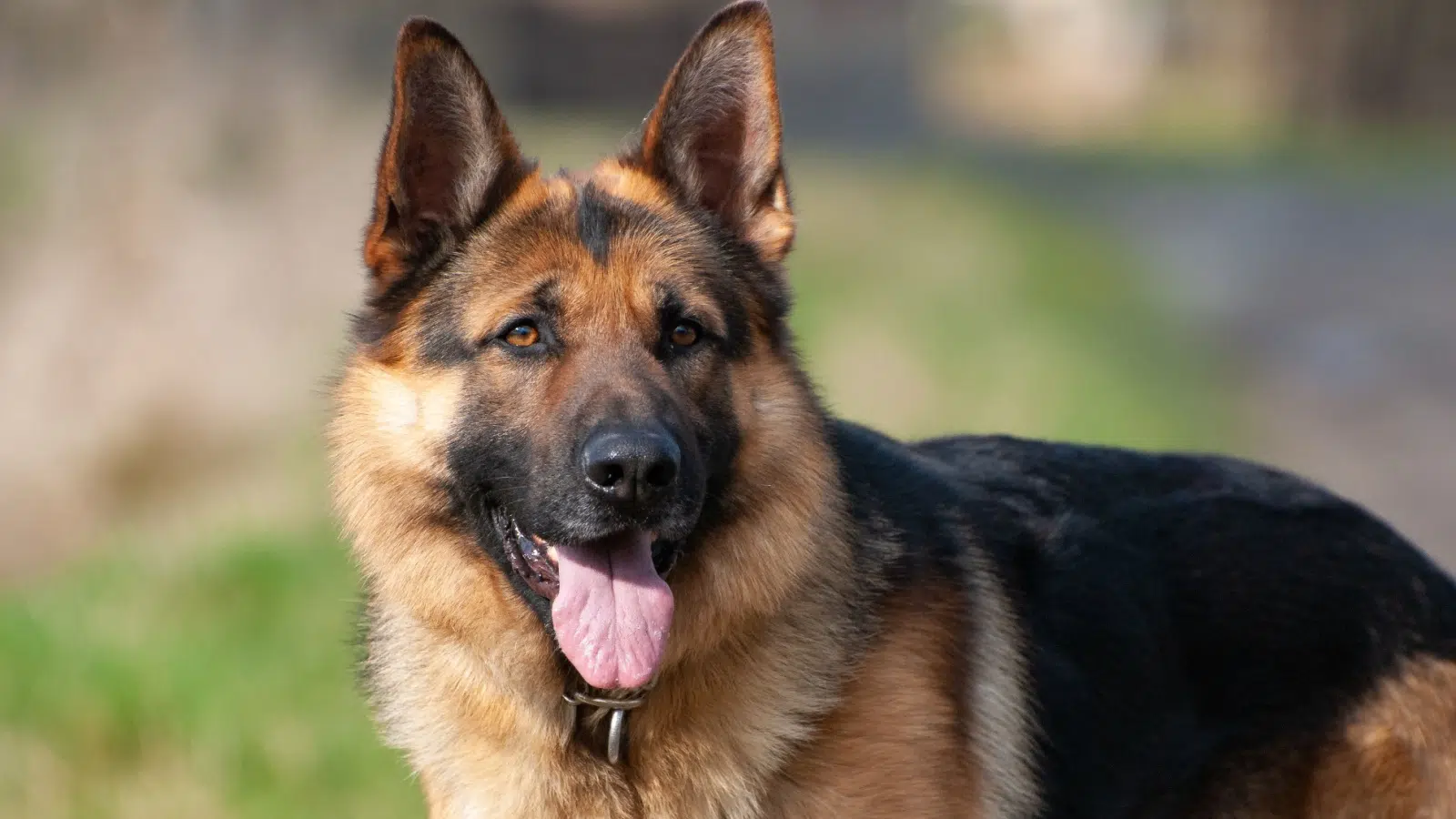
The German Shepherd is one of the world’s most popular dog breeds. Known for their smarts, loyalty, and versatility, these dogs have become trusted companions and working dogs worldwide. Their mix of strength and intelligence has earned them a special place in homes and working roles.
These intelligent dogs have a confident presence that’s easy to spot. With their alert faces, pointed ears, and strong bodies, German Shepherds look both powerful and graceful. They learn quickly and work hard, making them valuable for police work, military service, search and rescue, guide dog duties, and dog sports.
Breed Quick Facts
Breed Pros and Cons
Pros
- Highly intelligent
- Extremely loyal
- Versatile abilities
- Protective instincts
- Athletic build
- Trainable nature
Cons
- Heavy Shedding
- High Exercise Needs
- Separation anxiety risk
- Strong prey drive
- Needs early socialization
- Early Health Screenings
Physical Attributes & Appearance
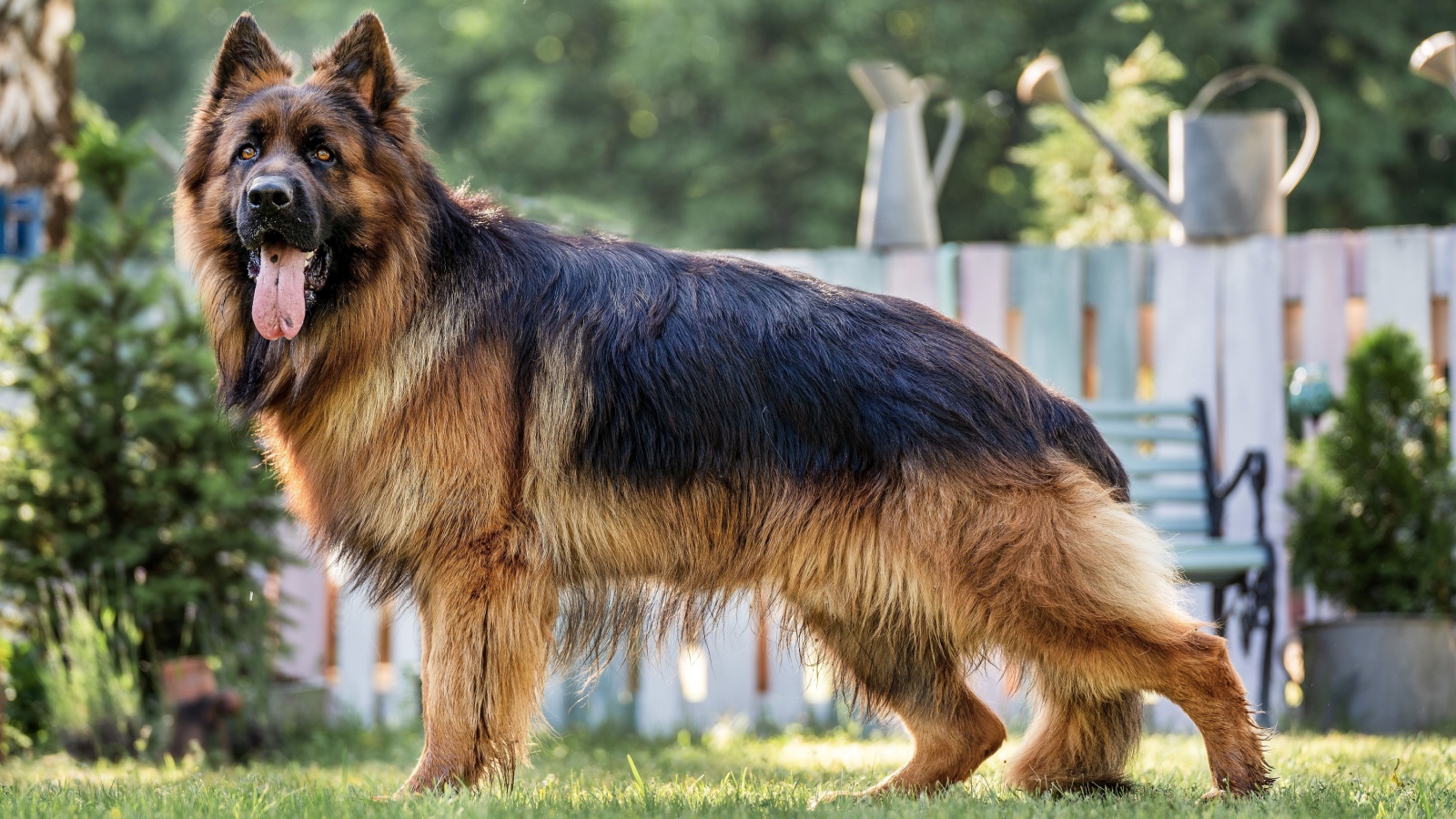
The German Shepherd has a unique look that people recognize right away. These dogs have balanced, slightly long bodies with deep chests and strong muscles. The German Shepherd build shows their working background, designed for strength and agility.
Their heads match their bodies well, with a wedge-shaped muzzle, strong jaw, and alert, almond-shaped brown eyes. Their famous pointed ears stand up when they’re paying attention, giving them an alert look. German Shepherds move smoothly and powerfully, showing their ability to work for long periods.
Their coat has two layers – a thick undercoat and a straight, rough outer coat of medium length. This combination protects them in different weather conditions but leads to lots of shedding. While many people think of black and tan German Shepherds, they come in several colors and patterns.
Behavioral Characteristics & Temperament

German Shepherds are known for their intelligence, confidence, and bravery. They stay naturally alert, making them great watchdogs, but they usually show good judgment. When properly trained, they protect without being aggressive without reason.
These dogs are incredibly loyal and form strong bonds with their families. This loyalty makes them eager to please their owners and easy to train, even though they can think independently. German Shepherds do best when given tasks that use their problem-solving skills.
They create clear relationships with each family member. Many German Shepherds are especially attentive to children in their home, though early socialization is key to developing good behavior. Without proper training and mental challenges, these smart dogs might develop problem behaviors from boredom or excess energy.
Ideal Home Life

German Shepherds need plenty of exercise and mental challenges. They thrive with owners who include them in daily activities and provide consistent training. A secure yard gives them space to play, but they also need supervised exercise outside the home.
These dogs adapt to different living situations if they get enough exercise. They prefer to stay close to their families and don’t do well when kept only in the backyard or away from family activities. Their need for companionship means they’re happiest when treated as family members who take part in daily routines.
Good German Shepherd owners set clear rules from puppyhood. Being consistent with training and household rules helps these smart dogs understand their place in the family. Positive training methods work best, as German Shepherds respond well to praise and rewards from trusted handlers.
Health Risks
Hip and Elbow Dysplasia
These joint problems affect many German Shepherds, causing pain and mobility issues as the dog ages.
Degenerative Myelopathy
This spinal cord disease appears in older German Shepherds, gradually causing weakness and eventually paralysis in the back legs.
Exocrine Pancreatic Insufficiency
German Shepherds have higher rates of this digestive problem, which prevents proper food digestion and causes weight loss despite increased appetite.
Bloat/Gastric Dilatation-Volvulus
This dangerous emergency happens when the stomach fills with gas and can twist, cutting off blood flow and requiring immediate vet care.
Hemophilia
Some German Shepherds carry this blood clotting disorder, which can cause excessive bleeding from even minor injuries.
Von Willebrand’s Disease
Another inherited bleeding problem in the breed, causing longer bleeding times and potentially dangerous hemorrhages.
Epilepsy
Seizure disorders occur in some German Shepherds, requiring lifelong medication to control episodes.
Allergies and Skin Problems
Many German Shepherds suffer from allergies that show up as skin irritation, ear infections, or digestive issues.
Projected Cost of Ownership
Owning a German Shepherd involves significant expenses beyond the initial purchase price. Potential owners should budget carefully for both one-time and recurring costs throughout the dog’s lifetime, which typically spans 9-13 years.
The costs can vary based on your location, the quality of care you provide, and any unexpected health issues that may arise. The table below breaks down the typical expenses associated with German Shepherd ownership:
| Expense | Initial | Monthly | Annual |
|---|---|---|---|
| Purchase | $2,000-$5,000+ | — | — |
| Supplies | $200-$400 | — | — |
| Food | — | $50-$100 | $600-$1,200 |
| Veterinary | $600-$1,000 | — | $200-$500 |
| Training | $100-$1,500 | — | Varies |
| Grooming | $30-$60 | — | $50-$85/session |
| Insurance | — | $40-$100 | $480-$1,200 |
| Boarding | — | Varies | $25-$50/day |
| Replacements | — | — | $100-$200 |
| TOTALS | $1,500-$2,500 | $90-$200 | $1,000-$2,000+ |
Purchase prices vary by breeder reputation and bloodlines. Initial supplies include crates, beds, bowls, leashes, and toys. Food costs are higher for premium brands, which many owners choose due to health concerns.
Veterinary costs include vaccines, check-ups, and preventatives. Medical emergencies can add $1,000-$5,000+ to these basic costs.
History and Breed Origins

The German Shepherd began in late 19th century Germany when Captain Max von Stephanitz wanted to create the perfect German herding dog. In 1899, he bought a dog named Hektor Linksrhein, renamed him Horand von Grafrath, and registered him as the first German Shepherd Dog. This single dog became the foundation of the entire breed.
Von Stephanitz created the Society for the German Shepherd Dog and focused on breeding for intelligence, versatility, and working ability rather than just looks.
As farming changed and needed fewer herding dogs, von Stephanitz began promoting German Shepherds for military and police work, where their trainability and courage proved valuable. During World War I, these dogs served as messengers, rescuers, guards, and supply carriers.
American soldiers brought these impressive dogs home, and the breed’s movie career, especially with Rin Tin Tin, boosted their popularity. Today’s German Shepherds come from over a century of selective breeding, with some differences between show lines and working lines that are closer to von Stephanitz’s original vision.
Frequently Asked Questions
Are German Shepherds good family dogs?
German Shepherds can make excellent family pets when properly trained from puppyhood. They typically bond with all family members and often protect children, though adults should always supervise interactions between dogs and kids.
How much exercise does a German Shepherd need?
German Shepherds need about 1-2 hours of daily exercise, including both physical activities and mental challenges. Without enough exercise, these smart, energetic dogs may become destructive from boredom.
Do German Shepherds shed a lot?
Yes, German Shepherds shed heavily year-round with extra heavy shedding in spring and fall. Regular brushing (3-4 times weekly, daily during heavy shedding seasons) helps manage the fur these double-coated dogs produce.
Are German Shepherds easy to train?c
German Shepherds are among the most trainable breeds because of their intelligence and willingness to work with their handlers. Their training needs to be consistent, positive, and challenging enough for their problem-solving minds.
What’s the difference between American and German bloodlines?
German Shepherd bloodlines differ in appearance and working traits. German working lines focus on performance and moderate physical structure, while American show lines typically have more angled back legs and a different head shape, focusing more on specific looks than working ability.
Sources
Make us part of your pack when you search.
Add Caninely as a preferred source on Google and we'll be right there next time you go searching. Five seconds, and you get straight dog talk instead of the usual fluff.


English Mastiff: Breed Characteristics, Care and Photos
Looking for a gentle giant that will keep intruders away, but will be quite tolerant of children in your home? If so, the English Mastiff could be the perfect dog breed for you! Find out all you need to know about the English Mastiff breed including behavioral tendencies, standard appearance, lifespan, breed history and more!


