9 min read
9 Symptoms of Heatstroke in Dogs & What to Do
When a dog gets overheated, it can escalate quickly to heatstroke. Early recognition is extremely important. In this article, veterinarian Rebecca MacMillan helps us examine 9 common signs of heatstroke, from excessive panting and drooling to confusion and collapse.
Vet Approved

This information is current and up-to-date in accordance with the latest veterinarian research. Learn more

Contents
Heatstroke is a term that lots of dog parents are familiar with, but could you list the symptoms?
It’s crucial that you know what to look out for so that you can spot when your dog is in danger. Sadly, heatstroke can be fatal, with many dogs dying from it each year, Your dog’s chances of survival will increase if you know what to do and act quickly.
Preventing it from happening in the first place is even more important. We’ll share our top warm-weather tips to help keep your pup safe. If you suspect your dog is suffering from heatstroke right now, then start cooling them down immediately and contact your vet.
First, What is Heatstroke?
Heatstroke is a condition that occurs when your dog gets too hot. Normal body temperature for dogs is around 100.4–102.2 degrees Fahrenheit, which they keep steady via their body’s own cooling mechanisms and behavioral changes, such as drinking more and lying in the shade.
If their temperature goes over 104 degrees Fahrenheit, then they will be at risk from heatstroke.
Heatstroke is extremely dangerous. It can cause internal bleeding, seizures, coma, and even death. The longer your dog’s body temperature is too high, the more likely they are to suffer serious effects. Getting them cooled down as quickly as possible is crucial to their recovery – more on this later.
How is it Caused?

Heatstroke occurs when your dog is not able to cool themselves down effectively. Dogs use the following cooling mechanism to try and maintain a steady body temperature:
- Convection: heat moves from the body surface to air or water that is moving around the animal e.g. a cooling breeze or bathing in cool water helps remove body heat
- Conduction: heat moves from the body to cooler objects or surfaces that are in contact with the animal’s skin e.g. cooling effects of lying on a cold tiled floor
- Radiation: heat is lost from the body in the form of infrared rays, moving from a region of high temperature to an area of lower temperature e.g. heat will radiate from your pet just like it does from heat sources like a radiator.
- Evaporation: Moisture on the skin or in the respiratory tract evaporates into the air, causing a cooling effect e.g. panting helps with the evaporation of moisture from the respiratory tract.
These cooling mechanisms become less effective as environmental temperature and humidity rise, as there is less of a temperature gradient (difference between them and their surroundings).
Dogs are not able to sweat like we do, and many of them have thick fur coats. These two things greatly limit their ability to lose heat. This means they can suffer the effects of warm, or even mild weather, way before we do.
Are Certain Breeds More Prone?

Any dog can be affected, but some types have been identified as more at risk from heatstroke:
- Brachycephalic dogs are the main group at risk from this condition. Brachycephalic dogs have flattened faces and compromised respiratory tracts. They struggle to cool themselves down and can easily run into problems, even during mild weather.
- Thick-coated dogs are better suited to cool conditions and can struggle as temperatures rise.
- Giant breeds can struggle to keep their body temperature under control in warm weather. Their relatively small surface area to body mass ratio means the usual cooling mechanisms may not be effective enough.
- Obese dogs are less able to cool their bodies down effectively due to the added layer of insulation.
- Dogs with health conditions such as heart or respiratory disease are less able to cope in warm weather.
- Very young or very old dogs can struggle to cope with temperature changes.
- High-energy dogs that will keep exercising and chasing a ball despite the weather being hot are at risk of overdoing it.
9 Signs of Heatstroke in Dogs
The exact symptoms you might see may depend on how severely your dog has been affected by heatstroke. Symptoms of heatstroke can include:
Excessive Panting

One of the first signs that your dog is overheating is excessive panting. Dogs pant to try and cool themselves down so this mechanism will be going into overdrive during heatstroke. However, they will also be losing moisture as they do this, which can add to their dehydration.
Struggling for Breath

Panting excessively can soon turn into struggling for breath. Your dog’s breathing may become louder and more labored than normal.
You may notice some abdominal effort (your dog’s stomach moving in and out more as they breathe) and your dog may look distressed. Their heart rate may also become elevated and irregular.
Drooling

Dogs that are suffering from heatstroke will often start drooling excessively. This drool is usually thicker than normal, or your dog may start foaming at the mouth.
High Body Temperature

If you were to take your dog’s temperature at this point it would be measuring high. 102.2 degrees Fahrenheit or higher is a clear indication that your dog is in danger. But even without a thermometer, your dog may feel hot to the touch.
Confusion

During heatstroke, your dog may seem confused and disorientated. They may not respond to your voice or to normal training commands. Blood also pools in the major organs when your dog is in shock so blood supply to the brain and muscles may be affected.
Vomiting and Diarrhoea

A dog displaying moderate signs of heatstroke may have diarrhea and vomiting. If their body temperature is not brought under control, then things get even more serious. Your dog will start suffering from internal bleeding and will start passing fresh blood in their diarrhea and vomit.
Changes in Gum Color

Your dog’s gums may either appear bright red, or they may seem very pale. Changes in gum color can happen when your dog is in shock or if there are internal bleeding issues. Their gums may also feel tacky or dry due to dehydration.
Seizures

Your dog may start having seizures. It may start with just twitching, tremoring, or shaking. But a dog having a full-blown seizure will lose consciousness and start paddling their legs uncontrollably.
They may also lose control of their bladder and bowels. Severe neurological problems may happen due to swelling (edema) in the brain, internal bleeding, and cell death, but in most cases, it is secondary to multi-organ failure and shock.
Weakness and Collapse

A dog that is suffering from heatstroke will become extremely weak and could collapse. In severe cases, they will go into a coma and could die. Heat stroke is fatal if not treated quickly enough.
Potential Heatstroke: What Now?

Heatstroke is an EMERGENCY. Do not delay in taking action for your dog as it could be fatal. It is also important to begin cooling them BEFORE taking them to the vet. This greatly increases their chances of survival.
Follow these steps:
- If your dog has been exercising, stop this activity immediately and get them to rest.
- Move your dog into a cool area or shady spot.
- Soak them in cool water, pouring or sponging it over their entire body. Cold tap water is fine, just avoid placing ice on your dog as this can cause surface blood vessels to constrict, stopping them from losing heat. Young, healthy dogs can also be plunged into cold water (except their head).
- If your dog is conscious, offer them some cool water to drink.
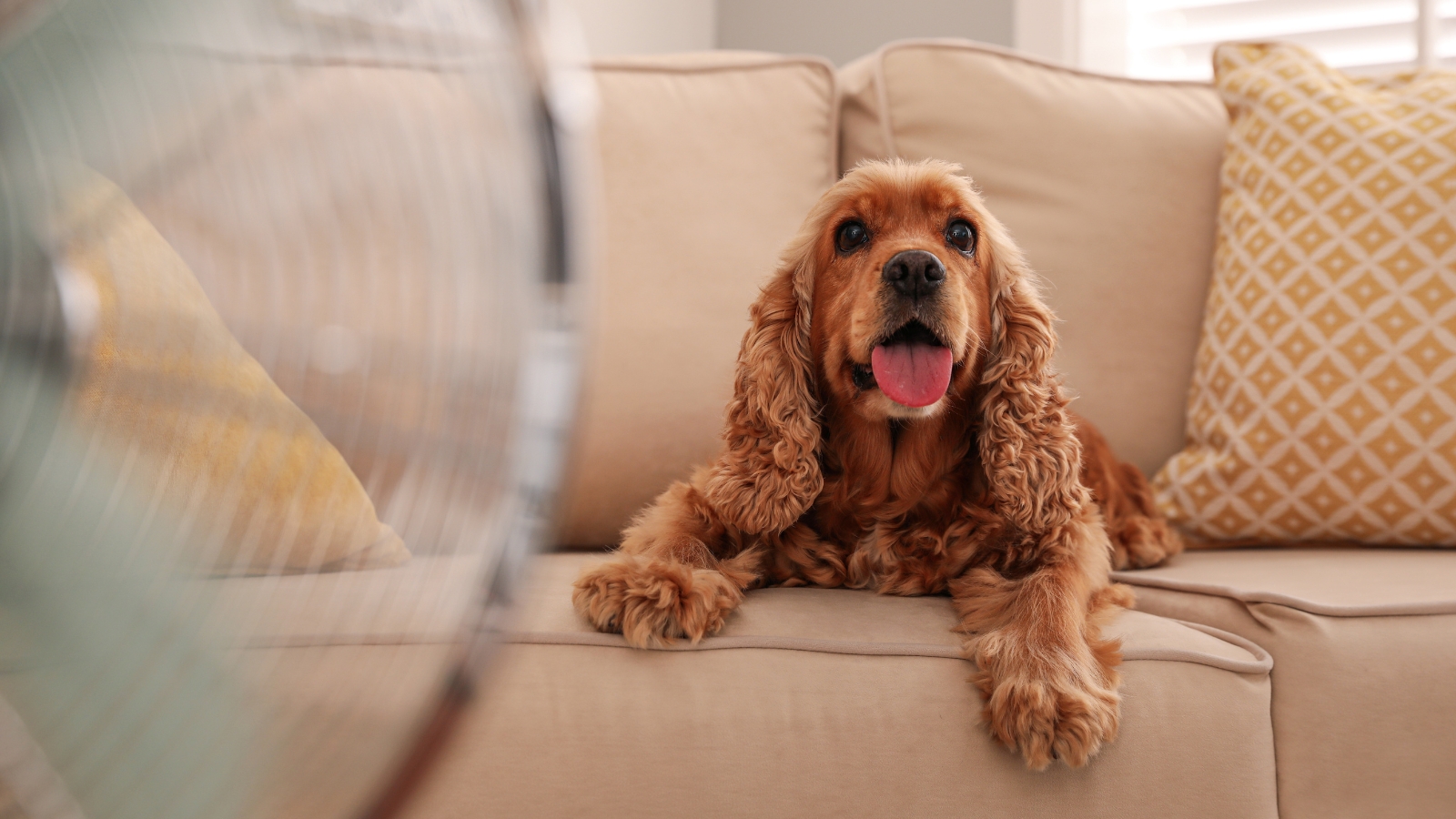
- If you have an electric fan, use this to blow cool air on them while you call your vet.
- Follow your vet’s advice, they will usually ask you to bring your dog to the hospital for further assessment and treatment.
- If you can measure your dog’s temperature this can be helpful to report to your vet.
NEVER cover your dog in damp towels. Your dog’s body heat will be trapped and the temperature under the towels will quickly rise. Water should be allowed to evaporate freely from your dog’s body.
How Vets Treat Heatstroke

Your vet will start by examining your dog. They will check their temperature to see how high it is. They will also assess their demeanor, as a collapsed or fitting dog will require different treatment to a dog that is alert and on their feet. Gums will be checked, heart rate and breathing effort.
Depending on your vets’ findings the following may be required –
- Further cooling with cool water and electric fans until body temperature comes down.
- Intravenous fluids given via a drip. These will help hydrate your dog and cool them, as well as help to counteract shock and organ damage.
- Oxygen may be required, particularly for dogs that are struggling to breathe
- Anti-seizure medication will be needed for dogs that are experiencing seizures.
- Blood tests may be required to assess for organ damage.
- Hospitalization for monitoring and continued care
Your dog’s prognosis will depend on the degree of damage that has occurred and the severity of their symptoms.
Reports vary, but in some studies up to half of all the cases died, despite everyone’s best efforts. That means there was a 50:50 chance of survival. This is why it is so important to prevent heatstroke from happening in the first place.
Tips For Avoiding Heatstroke
Follow these practical steps to avoid your dog suffering from heatstroke in the first place:
Don’t Leave Your Dog in a Car

We cannot stress this enough…. NEVER leave your dog in a stationary vehicle in warm weather. Even mild temperatures can be problematic for at-risk dogs like brachycephalic and giant breeds. If the window is cracked open, the humidity and temperature of a car can still quickly rise with a large panting dog inside of it.
If you ignore all of this, then you could be prosecuted for animal cruelty, with many states having laws in place. You MUST take your pet out of the vehicle with you or just leave them at home during warm weather, where they will be much more comfortable.
Walk During Cooler Parts of the Day

Despite being well-publicized each year, some owners still insist on walking their dogs at inappropriate times of the day during hot weather. You must stick to early mornings and evenings when temperatures are at their coolest. If you’re unable to do that then skipping a walk or two is safer.
No dog has died from missing a walk, whereas plenty have died from heatstroke.
Limit Strenuous Exercise

Do not play fetch for hours on end or take your dog hiking during warm weather. Exercise should be kept gentle to avoid your dog overheating. This can be tricky with very young or energetic breeds. Try some training exercises or puzzle toys to keep these dogs mentally stimulated instead.
Keep Cool With Water

Try and incorporate some gentle water play or swimming to keep your pet cool. A shady walk by a stream would be perfect during warm weather. Most dogs will also appreciate a paddling pool in the backyard during the summer months.
Take Extra Care of At-Risk Dogs

Extra care needs to be taken with at-risk dogs. They will be more likely to suffer from heatstroke than other dogs, and at milder temperatures too. Take particular care not to overexercise them or let them sunbathe for extended periods. For some dogs just becoming overexcited or stressed could also put them at risk of heatstroke.
Watch Out at Home

Sadly, dogs can still die indoors during the summer months. Conservatories or sunrooms can heat up quickly. If your dog is trapped inside, with no escape to somewhere cooler, then they could die. Make sure your dog never gets accidentally shut in this area of your home.
Provide Cooling Snacks and Accessories

It is safe for dogs to enjoy frozen treats (pupsicles anyone?), frozen food, or ice cube snacks during the summer months. This will help to keep them cool and hydrated. Special cooling mats can also be used, giving your dog somewhere nice to lay, especially if you’re home doesn’t have any cold tiled flooring.
Make us part of your pack when you search.
Add Caninely as a preferred source on Google and we'll be right there next time you go searching. Five seconds, and you get straight dog talk instead of the usual fluff.


7 Proactive Tips To Help Prevent Mobility Loss in Dogs
Noticed your dog hesitating at the stairs or slowing down on walks? Mobility loss tends to creep in quietly, but there's a lot you can do to slow it down and keep them comfortable for years. Here are 7 proactive ways to protect your dog's joints before stiffness takes hold.