6 min read
9 Health Changes in Dogs Pet Parents Brush Off Too Easily
Dogs are pros at hiding when something's off, and a lot of the early signs are easy to chalk up to age or quirks. Most aren't emergencies. But they're the kind of changes worth catching early, before they turn into something bigger and harder to treat.
Vet Approved

This information is current and up-to-date in accordance with the latest veterinarian research. Learn more
Contents
Some signs of illness are obvious. Nobody misses a bout of explosive diarrhea. But other health concerns creep in slowly, and they’re easy to wave off as just part of getting older. The problem is that “old age” gets blamed for a lot of things that are actually treatable. Typically, the dogs who get caught early are the ones who stay comfortable the longest.
The tricky part is that dogs are wired to hide discomfort. It’s an old survival instinct that hasn’t done them any favors in a world of couches and kibble. They’ll limp, itch, or feel lousy for weeks before it shows up as anything dramatic. This means the responsibility falls on us to spot the small stuff before it becomes the big stuff.
Below are nine signs that pet parents tend to brush off but really shouldn’t. None of them are guaranteed emergencies. All of them are worth paying attention to.
Growths

Lumps, growths or warts. Known by lots of different names, and often overlooked by dog parents especially in older dogs who may have a few of these appear as they age. The problem is that a cancerous lump can look identical to a non cancerous growth.
The only way to tell for certain is to have the lump tested by a veterinarian, a relatively painless and quick procedure. If the lump comes back as non cancerous, your vet may choose to monitor the lump. A cancerous growth will need surgical removal, and can be considered life saving surgery for some dogs.
Limping

Limping is always a sign of pain. Dogs can have sudden onset limping, possibly after exercise or an accident, and this is usually soft tissue trauma. However some limping, common in older dogs, doesn’t go away with time and can be worse first thing in the morning.
This kind of limping is usually osteoarthritis, a degenerative inflammatory condition that wears down the joints over time. The good news is most of what helps doesn’t require a prescription or a huge vet bill.
Keeping your dog at a healthy weight, easing up on hard-impact exercise, and adding a daily joint supplement can make a real difference, especially when you start early. For more advanced cases, your vet may prescribe anti-inflammatories or pain medication on top of that.
Changes to Urination

Urinating more, straining to urinate, or changes to the urine colour are all causes for concern. Blood in the urine can be a sign of urinary tract infections, cancers and prostate disease. Urinalysis can be helpful in working out what is going on.
Increased urination can have many causes such as diabetes, kidney disease or cushings. A blood test, often in combination with a urinalysis can help identify the root cause.
Paw Licking

Paw licking is super common in dogs that suffer from allergies. Saliva naturally contains iron compounds and when these are exposed to the air, turn a red rust colour. It’s more noticeable on light coloured dogs and is a sure sign your dog is paying too much attention to their feet.
People often think that dogs lick their toes out of habit, or as a stress relieving activity, but it’s far more likely to be related to allergies. If dogs lick their paws a lot, it can cause painful sores, and skin infections which need medications to heal.
Allergic skin disease is a condition that needs lifelong management, and treatment can be very effective at stopping dogs from licking at their feet. Management can include switching diets, medications and topical treatments like using shampoos or balms.
Smelly Breath

There are lots of reasons your dog could have smelly breath. The most common reason is periodontal or dental disease. Around 80% of dogs over three years old will have some form of dental disease. And, it can go undetected for a long time.
Mild signs of dental disease can be reversed with at home dental care such as daily tooth brushing and antiseptic water additives (similar to mouthwash for people). If however the teeth are diseased, bleeding or infected, they will need treatment by a veterinarian under anesthetic. This may include removal of the affected teeth.
Bum Scooting

Scooting, or dragging their bum across the floor, is a sign something isn’t quite right back there. The most common cause is impacted or overly full anal glands. Dogs scoot to try and release them, and if left long enough, full glands can get infected and turn into painful abscesses. A vet can manually express them and solve the problem in a few minutes.
Other causes include a worm burden, which a broad-spectrum dewormer takes care of, or allergic skin disease, which sends dogs rubbing their backside on the floor as a way to itch. Recurring gland issues are often tied to soft stool. Firm stool is what naturally expresses the glands when your dog poops. A daily canine probiotic can help here by supporting gut health and stool consistency, which means fewer trips to the vet for expressions.
For dogs with skin allergies driving the scooting, the fix is usually more involved and needs a vet-built treatment plan. Probiotics can play a supporting role there too, since gut health and skin reactivity are more linked than most owners realize.
Cloudy Eyes

The eyes are often said to be the window to the soul, and in dogs, eye health can be related to their body health. Cloudy or white eyes are concerning, as they can indicate internal issues such as diabetes. Cloudy eyes can be a sign of inflammation, or ulceration of the eye, which is painful.
Older dogs may develop cataracts later in life, which is a treatable condition. If left untreated cataracts will lead to blindness, which can really affect your dog’s quality of life and increase the risks of injuries from bumping into things or falling unexpectedly.
Weight Gain

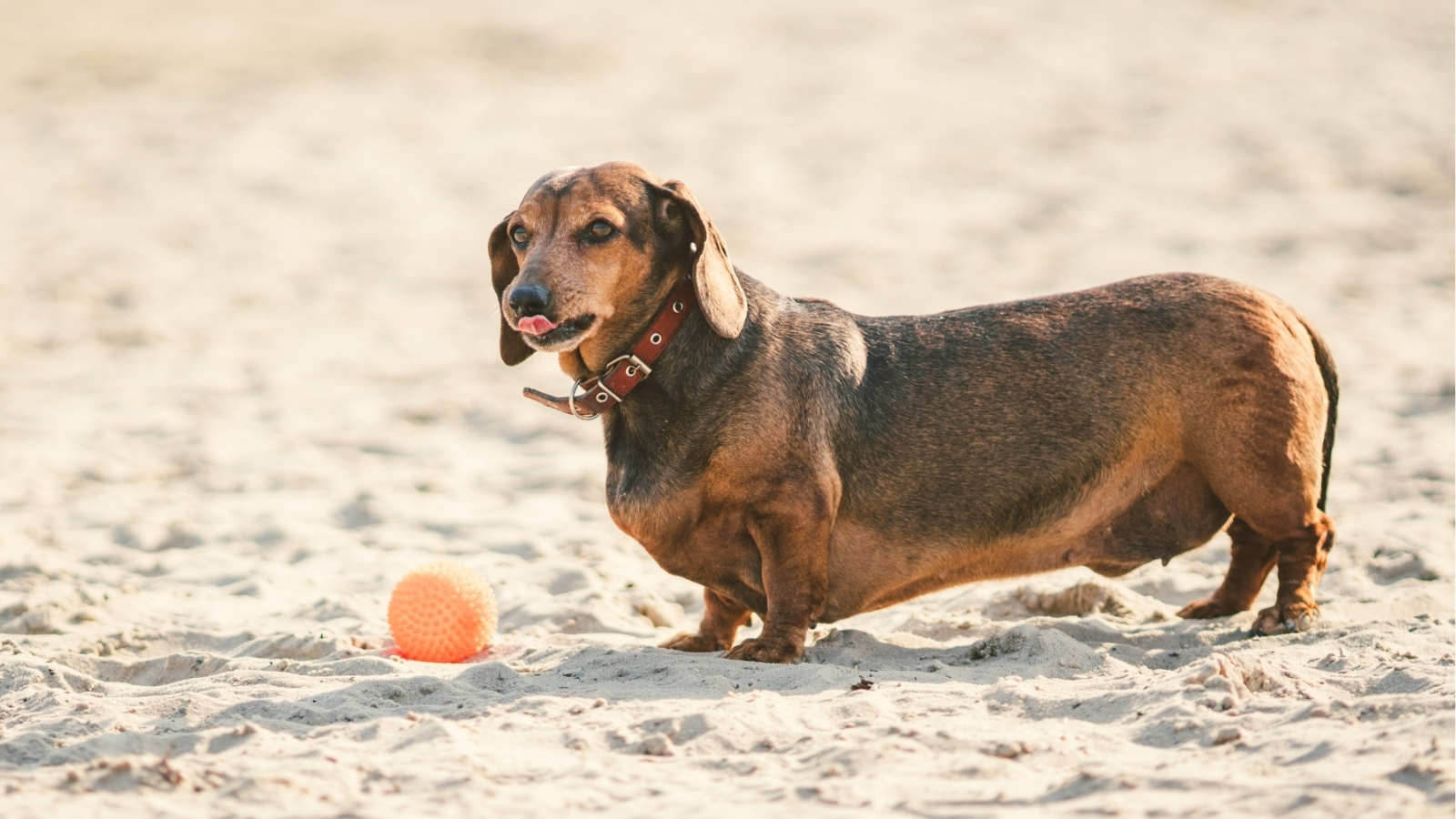
Being overweight is one of the worst things for your dog’s health. In fact, it’s been proven in studies that your dog can live between one to two years less, just from being overweight.
Carrying extra pounds can have many knock on effects on the rest of your dog’s body. The joints have to carry increased load, and therefore the wear and tear of the joints happens quicker, leading to degenerative changes earlier in life. Being overweight can increase your dog’s chances of developing conditions such as fatty liver syndrome, diabetes and cardiovascular disease.
Furthermore, if your dog is overweight and needs to have surgery for any reason, they are at increased risk of an anesthetic complication compared to dogs in a healthy weight range.
Weight loss can be a challenge in dogs, but is possible. Create a weight loss plan with your veterinarian through feeding reduced portions and increasing exercise to suit your dog’s current fitness levels.
Sometimes there are medical causes for weight gain. So, it’s helpful to have some bloodwork done before starting any weight loss journeys just in case the weight gain is related to a health condition such as an underactive thyroid.
Fainting

After an enthusiastic play session, or in the middle of a run around the field, your dog may suddenly flop over like they have fainted, stay still for a short while then pop back up like nothing has happened and continue on with their day.
Whilst initially concerning, you may think the fact they are back to normal is a good thing, and feel it’s nothing to worry about. Fainting, collapsing or loss of consciousness is never something to overlook. Even if it happens only once, or for a few seconds.
There are lots of serious reasons your dog can have a fainting episode, and heart disease is one of them. The signs of heart disease do not tend to present until very advanced, and life expectancy can be poor when detected later on in the disease progression.
A vet visit is always recommended after a fainting episode, for a full health and heart check. If a heart murmur is picked up, your vet will do an ultrasound scan of the heart (echocardiography). This can give helpful information on what types of medication will benefit your dog most, and help to monitor for progression of the condition.
Sadly heart disease is often progressive and terminal. If left untreated can lead to complications such as increasing respiratory distress even whilst resting, further collapsing episodes or even cardiac arrest.
Make us part of your pack when you search.
Add Caninely as a preferred source on Google and we'll be right there next time you go searching. Five seconds, and you get straight dog talk instead of the usual fluff.


11 Subtle Signs of Discomfort Every Dog Parent Should Know
Dogs can’t tell us when something’s wrong, but they do give us clues. From subtle behavior shifts to changes in appetite or energy, here are 11 signs your dog might need a little extra care.