4 min read
7 Reasons Your Dog Is Walking Slower Than Normal
If your dog is walking slower than normal, it's important to understand why. Changes in mobility can point to joint discomfort, muscle weakness, pain, or other health issues you shouldn't ignore. Below are some of the most common reasons dogs slow down during walks.
Vet Approved

This information is current and up-to-date in accordance with the latest veterinarian research. Learn more

Contents
Is your dog slowing down on walks? Whether this is a sudden change or a gradual one, it’s important to take it seriously. There are many reasons why your dog could be ‘exercise intolerant’, and some may be more obvious than others.
While your vet is on hand to help you get to the bottom of the problem, we thought it would be helpful to list the common causes of slow walking, to help you feel more informed at your pet’s next appointment.
Musculoskeletal or Neurological Issues

Musculoskeletal problems actually cover quite a few issues, including various joint diseases, congenital joint abnormalities (like patellar luxation and hip dysplasia), and traumatic injuries affecting the muscles, tendons, or bones. However, osteoarthritis is perhaps the number one musculoskeletal cause of slow walking in dogs.
This joint disease can occur through general wear and tear, or it can be secondary to other issues like previous joint surgery or congenital joint abnormalities. Affected dogs may walk more slowly than normal, as well as show other symptoms like stiffness, limping, or difficulty jumping up.
Certain neurological issues could also change the way a dog walks. Intervertebral disc disease (IVDD) affects the cushion-like discs that sit between the vertebrae in the spinal cord. If one of these discs bulges or ruptures, it can press on the nerves in the spine, causing pain, limping, or wobbliness.
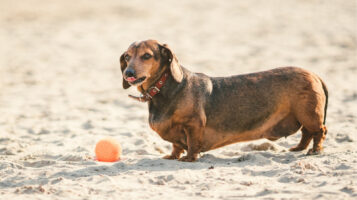
This is frequently seen in dogs with short legs and long backs like Dachshunds, French bulldogs, and Bassett Hounds. Degenerative myelopathy is another commonly seen problem that affects the nerves in the back legs.
Over time, affected dogs will get weaker and may even paralysed in their hind legs. German Shepherds seem particularly prone to this condition.
Heart Conditions

Underlying heart conditions are a very common cause of slowing down on walks. If your pet’s heart is not beating effectively, then they will struggle to get enough oxygen around their body. This can leave your dog feeling more tired than usual and unable to exercise properly.
There are many different heart conditions that can affect dogs, but the two most diagnosed problems are:
- Mitral Valve Disease – a progressive condition affecting the mitral valve in the heart, causing turbulence and backwards flow of blood. This is common in Cavalier King Charles Spaniels, as well as other small breeds like terriers, Miniature Poodles, and Chihuahuas.
- Dilated Cardiomyopathy – weakening of the heart muscle leading to an enlarged and flabby heart, which struggles to pump normally. This is more common in big breeds like Great Danes and Rottweilers, as well as some spaniels.
Affected dogs can compensate up to a certain point, but many will go into heart failure as their condition progresses. This can lead to fluid build-up in the chest or elsewhere in the body, further affecting the dog’s ability to exercise.
As well as slowing down, dogs in heart failure may have a cough, changes in appetite, episodes of weakness or collapse, and breathing difficulties.
Regular check-ups can help identify problems in the early stages, with vets listening closely for murmurs or arrhythmias each time they examine your pet.
Respiratory Disease

Respiratory conditions can have an impact on your dog’s energy levels. If your pet is struggling to take in enough oxygen to exercise, then they will start slowing down on their walks.
Some dogs have anatomical features that make them more likely to be slower on walks than other breeds. Brachycephalic (flat-faced) breeds like Pugs and Bulldogs often have narrowed nostrils and windpipes (trachea), as well as an excess amount of soft tissue in the back of their throat.
This can cause breathing difficulties, making it hard for them to keep up on walks, especially in warm weather.
Other conditions can be acquired through life, such as asthma, bronchitis, pneumonia, or laryngeal paralysis. Dogs with respiratory difficulties may also have a cough, increased respiratory effort, and more rapid breathing than a healthy dog.
Underlying Illness

This is a broad category, but there are many other illnesses that could cause your pet to lack energy and slow down on their walks. This includes (but is not limited to!) –
- Anaemia: Lack of oxygen-carrying red blood cells
- Diabetes Mellitus: A condition affecting the body’s ability to regulate its blood sugar levels
- Kidney disease: If the kidneys are not functioning well, an affected animal can become dehydrated and suffer from electrolyte abnormalities
- Hypothyroidism: A lack of thyroid hormone can cause symptoms like lethargy, coat change, and exercise intolerance
- Infection: An infection can cause your dog to feel very low energy, e.g. an infected womb (pyometra) or dental infection
- Digestive issues: Conditions causing vomiting or diarrhoea may lead to slowing down on walks, including inflammatory bowel disease and pancreatitis
It is important to get your dog checked out if they are showing any behavioural changes, but especially if you are noticing other symptoms such as stomach upset, change in appetite or thirst, and lethargy.
Environmental Factors

Changes in environmental factors could affect your dog’s ability to exercise. Warm weather can cause a lot of dogs to slow down on their walks, amongst other more serious problems. Especially if they are young, old, or have an underlying health complaint.
Icy weather could also slow down many dogs, especially those that are unsteady on their feet with joint disease. Some dogs can also struggle more on uneven ground or sand, so take this into account when walking your pet.
Behavioural Issues

Anxiety and stress can have an impact on our pets’ willingness to exercise. If your dog is feeling anxious, they may walk more slowly, stick close to your side, or may not even want to leave the house at all. Sometimes this can occur after a specific event, such as a car backfiring or being attacked by another dog.
It’s important to have a vet check, to rule out some of the other causes of slow walking first, before just presuming it’s a behavioural issue.
Once your vet is happy there is no health complaint or pain that could be affecting your dog’s ability to exercise, they may suggest calming agents or refer you to a qualified pet behaviourist for further help.
Old Age

Old age is often blamed for ‘slowing down’ in dogs. Undoubtedly, age can cause a general reduction in exercise, but often it is a bit more complicated than that.
Many of the health conditions that we have listed above are more likely to be found in older dogs than young ones. So, before just presuming that your dog is getting old, get them checked over by a vet.
This can help identify whether there is an underlying heart issue, joint disease, or a metabolic condition that is causing them to become exercise-intolerant.
The sooner a problem is identified, the sooner it can be managed, which will help your pet to feel more like their normal self again.
Make us part of your pack when you search.
Add Caninely as a preferred source on Google and we'll be right there next time you go searching. Five seconds, and you get straight dog talk instead of the usual fluff.


7 Proactive Tips To Help Prevent Mobility Loss in Dogs
Noticed your dog hesitating at the stairs or slowing down on walks? Mobility loss tends to creep in quietly, but there's a lot you can do to slow it down and keep them comfortable for years. Here are 7 proactive ways to protect your dog's joints before stiffness takes hold.