4 min read
7 Tips For Keeping Your Dog’s Hips Healthy
Are you looking for ways to improve your dog's mobility? In this article, veterinarian Dr. Corinne Wigfall looks at the most common ways to keep your dog's hips healthy as they age.
Vet Approved

This information is current and up-to-date in accordance with the latest veterinarian research. Learn more
Contents
Dogs carry 40% of their body weight through their hindlimbs, so the hips are a key structure for movement. Uncomfortable hips can lead to other health problems, such as constipation from not wanting to crouch down to empty the colon fully.
Dogs who have painful hips will not want to walk as far, and can lose their muscle tone. Without healthy muscles to support the hips, dogs find movement more challenging, especially getting up and sitting down.
Sadly dogs with painful hips often adjust to a life of chronic pain and dont always let us know they are struggling until the condition is advanced, by which time treatment options are limited. By being proactive as a pet parent and focusing on the ways you can keep your dog’s hips healthy, your dog can live a happier life for longer. Let’s look at seven easy, vet approved ways to keep your dog’s hips healthy:
Hip Screening

Hip dysplasia is a condition of the hips where the ball and socket joint are too loose, and it can lead to painful hips from a young age. Large breeds such as German Shepherds, Labradors and Golden Retrievers are at higher risk of hip dysplasia.
If choosing a puppy of a breed known to have hip dysplasia, buy from a breeder who has had the parents hip scored. A healthy hip score reduces the chances of the puppies having hip dysplasia.
If you already have your puppy, you can still screen for hip dysplasia by having x-rays taken at a vet clinic. It is not uncommon for this to be done at the same time as neutering or spaying, so talk to your vet if you would like your dog’s hips checked. There are many treatment options available for hip dysplasia depending on the degree of the problem, and early diagnosis leads to the best treatment outcomes.
Health Supplements

Feeding your dog a hip and joint supplement that is rich in glucosamine, chondroitin and omega oils (essential fatty acids) can aid hip and joint health. Glucosamine and chondroitin are needed to repair damaged cartilage at joint surfaces, an ongoing process in the body.
Omega oils, especially omega 3 and 6 have lots of beneficial properties, such as anti-inflammatory effects. This can help treat low grade inflammation in the hips, and has multiple other benefits including improving coat quality and boosting cardiovascular health.
When looking for a supplement, use a pet specific product with proven ingredients. You can start feeding joint supplements from a young age, and continue right into their senior years. If you are unsure on which products to use, reach out to your veterinarian.
Weight
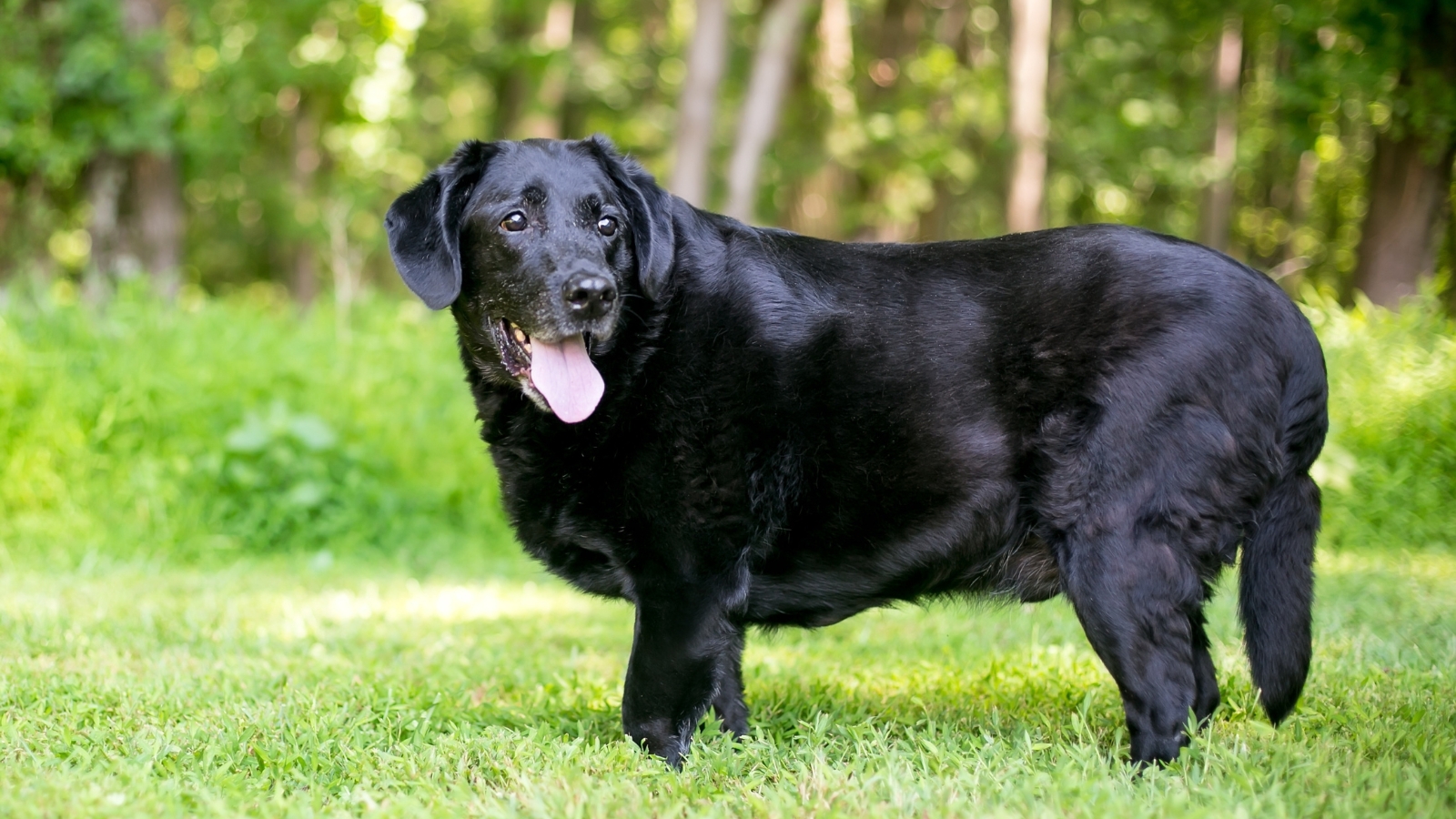
When dogs carry extra weight, it puts additional strain on their joints. This extra pressure can cause osteoarthritis, which is a painful inflammatory condition of the joints. By making sure your dog is in a healthy weight range, you reduce the load the hips carry and lower their risks of developing osteoarthritis.
Weight gain is common after neutering or desexing, so reduce their caloric intake, or ask a vet for nutritional advice. Older pets are more likely to gain weight due to a slower metabolism and less energetic lifestyle, so be sure to get a weight check two to three times a year to pick up weight gain earlier.
Exercise

Do you have a large or giant breed of dog? Did you know they can suffer from painful bone abnormalities from too much high speed exercise at a young age? This is because their growth plates are still fusing from cartilage to bone.
High intensity exercise like chasing a ball repeatedly, or running up and down hills, can cause damage to the growth plates through compression. If dogs suffer damage to the growth plates, it can cause the limbs to grow at abnormal angles, changing your dog’s movement. This adds extra stress to joints such as the hips. Prevention is much easier than cure for this type of problem.
It’s best to avoid high speed exercise in large and giant breeds until at least 18 months of age. Instead, use consistent lower speed exercise like long walks on flatter surfaces to allow bones to form fully.
For older dogs or dogs with hip problems, swimming is an excellent form of exercise to do. It allows your dog to exercise without putting extra strain on the joints. Swimming helps build up the muscles around the hip joints allowing them to take some of the load of weightbearing and ease the pressure on painful hips.
Physical Therapy

Supporting hip function involves strengthening all the muscles connected to the pelvis region, and hindlimbs. Dogs, just like people, naturally work some muscle groups harder than others, which leads to underdevelopment of certain muscle groups.
By using physiotherapy we can identify which muscle groups can benefit from some extra training and set exercises for your dog to do. This can be as simple as getting your dog to go from sitting to standing a few times a day. Physiotherapy is a long term treatment, so do not be disheartened if you do not see instant results when starting physiotherapy training.
Diet

Young puppies need the right ratio of calcium and phosphorus to have healthy bone and joint formation. It’s really important to feed puppies food formulated for their needs – ie buying dog food labelled for puppies. They need to be fed puppy food for the first year of life, sometimes longer if they are large or giant breed dogs.
Adult dogs need to be fed a nutritionally balanced diet at the recommended feeding suggestion on the packet/tin. Try not to feed high fat foods, or extra treats as this can lead to weight gain, putting extra pressure on the hips.
Dogs older than 7 need a senior diet, which will be easier to digest, and have proteins that are more readily available to use, important in muscle repair. Senior diets will have added omega oils, and supplements to support joint health.
Bedding

Does your dog have a bed to rest on at night? An orthopaedic dog bed offers the best support for joints whilst resting, but any type of bed will give some protective cushioning to joints.
Try to keep the home warm, and place your dog’s bed out of the way of draughts (you may have to get down to your dogs level to check this for yourself!). Avoid putting beds near radiators, fires or heaters as dogs can get too hot and move off the bed to go to a cooler location, which offers less support for their hips and other joints.
Make us part of your pack when you search.
Add Caninely as a preferred source on Google and we'll be right there next time you go searching. Five seconds, and you get straight dog talk instead of the usual fluff.


15 Fruits That Are Safe For Most Dogs
Looking for some all natural sweet treats that your dog will love? Believe it or not, many fruits are perfectly fine for our canine companions to eat. Find out which fruits are safe for most dogs to eat!


