5 min read
15 Fruits That Are Safe For Most Dogs
Looking for some all natural sweet treats that your dog will love? Believe it or not, many fruits are perfectly fine for our canine companions to eat. Find out which fruits are safe for most dogs to eat!
Vet Approved

This information is current and up-to-date in accordance with the latest veterinarian research. Learn more
Contents
Dogs are scavengers by nature, and some will give anything a try! But it’s important to know what is and isn’t safe for your canine companion. Despite popular belief, dogs are not strict carnivores. They are well adapted to an omnivorous diet, and they will eat a mixture of meat, fruit, vegetables, and grains. Like their wolf ancestors, dogs are scavengers and will try to eat most things, especially when food is scarce.
However, it has been shown that domestic dogs have evolved further, to a diet that is more like our own. Compared to wolves, domestic dogs have many more genes that allow them to produce amylase, a protein that digests starch. This indicates they are five times better at digesting starch than a wolf.
These evolutionary changes have occurred over many years, as dogs started living closer to humans. This means most dogs can enjoy certain fruits as part of their diet. However, if your dog is on a special diet, or has an underlying health condition, then you should check with your vet first.
The good news is that many of the fruits we enjoy are also safe for dogs to eat. However, it is always best to check, as some are not ok. Here is our list of the top 15 fruits that are considered safe for our pets :
Apples

Apples make a great snack for dogs to enjoy. Many of them enjoy the crunchy texture and they are good a source of vitamin A and vitamin C. You should remove the core and the pips before serving though. The pips contain cyanide, which is only really an issue if they are eaten in a very high volume.
The main issue is that the core is tough to digest which could cause tummy troubles. Make sure that you don’t let your dog eat any rotten fruit that has fallen from trees in the garden. Fermenting apples contain high levels of ethanol (alcohol) which could cause toxicity in your dog. So, make sure to regularly clear up any old apples and only give your pet fresh ones.
Bananas
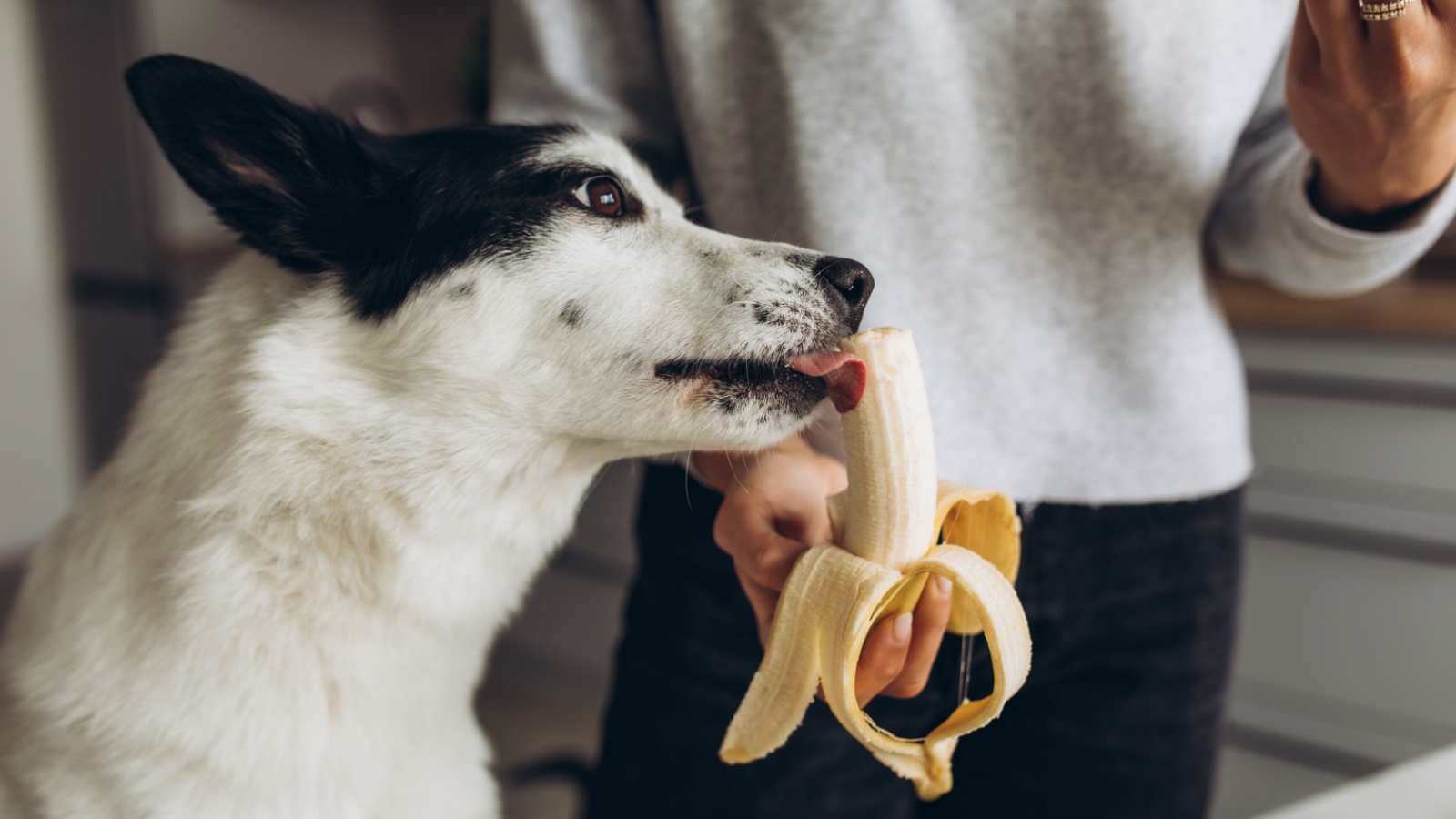
Banana is a good source of nutrients like potassium, fiber, and vitamin B6. However, it is also high in sugars and calories compared to other fruits, so should only be offered as an occasional treat. Green, unripe bananas are less likely to be palatable than yellow ones.
They contain less sugar at this point and more starch. Many dogs enjoy the texture of bananas, but just make sure that they are never given the skin to munch on. This can be very hard for them to digest.
Melon

Melon is a great choice for dogs! The high water content of melon can help with hydration during the summer months, and it is lower in calories than some other types of fruit, meaning your pet will be less likely to succumb to accidental weight gain. All varieties of melon are safe, including cantaloupe, honeydew, and watermelon. Just remember to remove the hard-to-digest seeds and skin before serving.
Blackberries
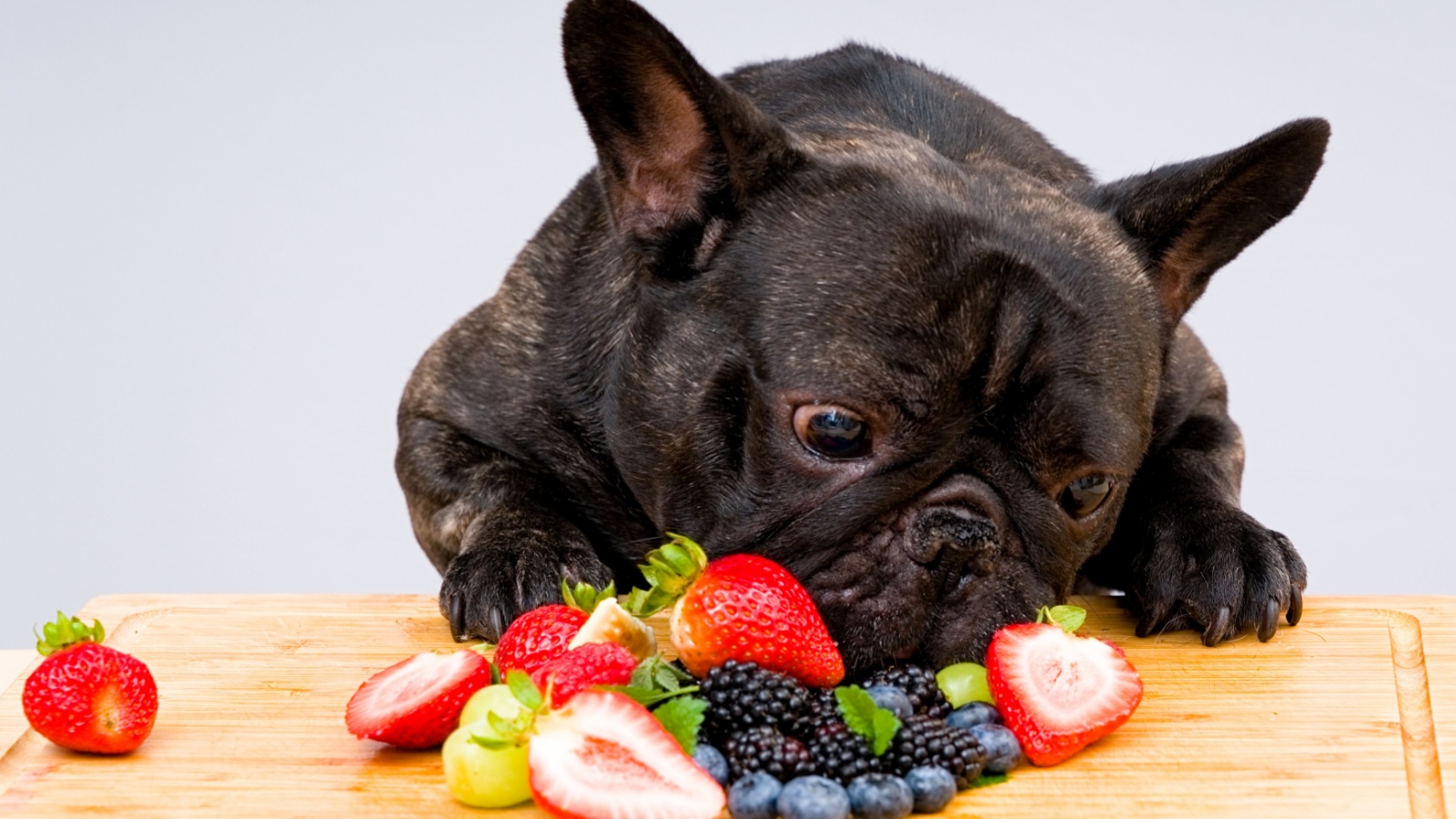
Blackberries may be found growing in the wild, but these can be smaller and sharper than some store-bought ones. Like many berries, blackberries are packed with antioxidants and their small size makes them a convenient snack to offer to your pet.
Blueberries

Lots of dogs enjoy blueberries, their small size makes them an easy-to-give treat. They are often referred to as a superfood due to their high antioxidant content. In humans, they have shown protective properties against certain cancers and help to maintain good eye health. Just take care with little dogs and puppies. Blueberries could be a choking hazard due to their small, round shape.
Pears

Ripe pears are soft, sweet, and high in copper, vitamin K, Vitamin C, and fiber. This makes them the perfect safe snack to give to your dog. You should remove the stem, core, and seeds before serving to make them more digestible.
Never allow your dog to eat old fallen pears in the garden. These will start to rot and ferment on the ground, producing ethanol which could cause alcohol toxicity in dogs.
Cranberries
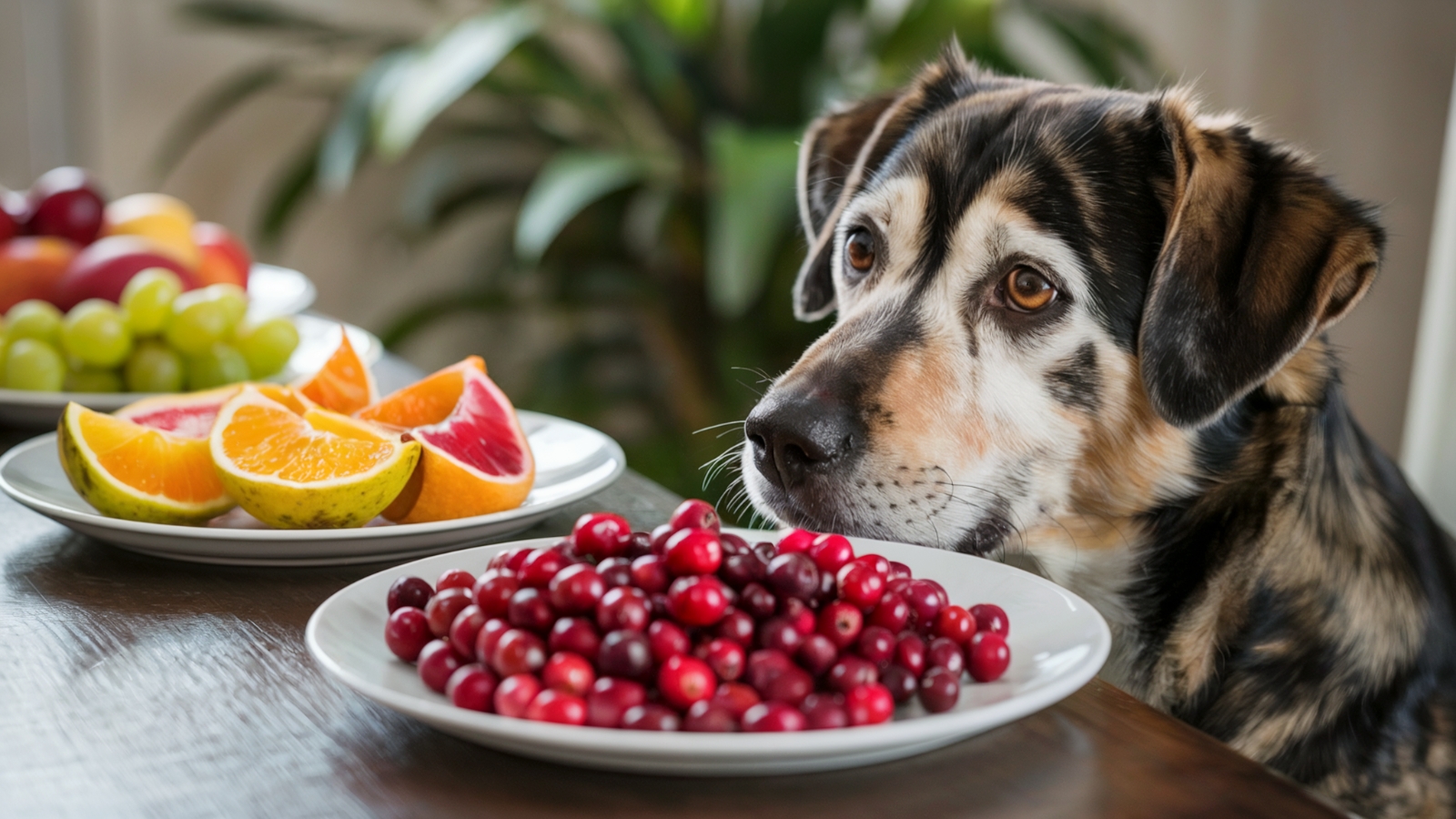
Cranberries are thought to help people with urinary tract infections. There is not enough evidence to say whether similar benefits exist for dogs, but cranberries can still be a safe and healthy snack for them.
Just be careful if offering your dog dried cranberries. These are often sold in packets with raisins, which can be extremely toxic to dogs, so just double-check what you are giving your dog.
Mango

When serving mango, make sure the pit and skin have been removed. The skin is tricky to digest, but the real danger is the pit. If swallowed it could obstruct your dog’s intestines (guts) – so dispose of this very carefully. Mango is very sweet and soft when ripe and contains lots of fiber and vitamins. It therefore makes a great snack, when served safely.
Nectarines
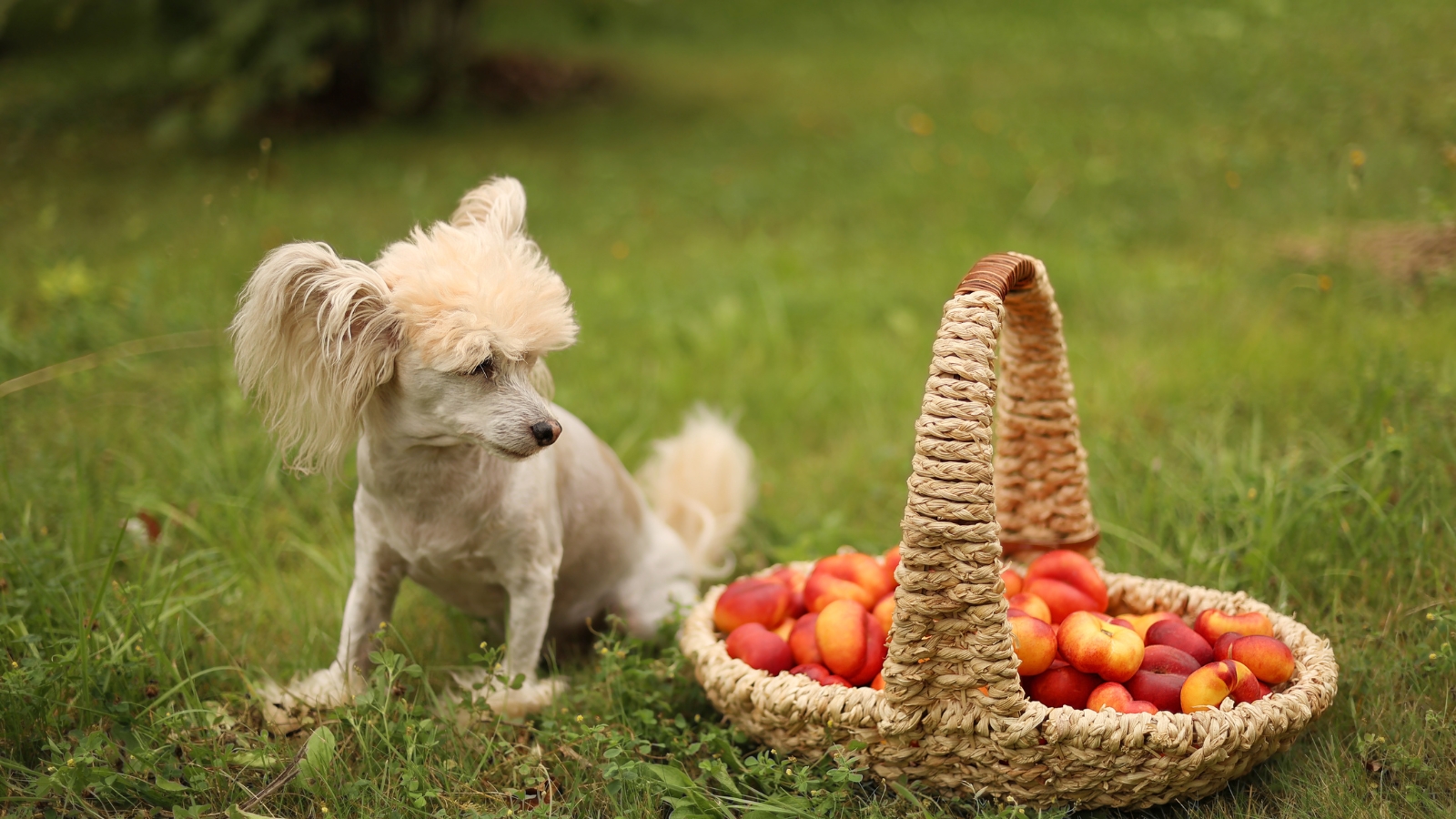
The flesh of nectarines is safe for dogs to eat, if the pit is removed. The pit is a source of cyanide, but the real danger is that it could cause a blockage if swallowed. So, make sure you give your dog the flesh only and dispose of the pit very carefully.
Oranges

Oranges are not toxic, but some dogs won’t enjoy the citrus flavor. This means you can offer it to your dog, but don’t be surprised if they refuse it. If your dog does have a taste for oranges, stick to a few segments at a time to avoid tummy troubles.
Also, remove any skin and seeds before offering it to them. Interestingly dogs, as with many other mammals, can produce their own vitamin C so don’t rely on external sources like we do. They may however benefit from some of the other antioxidants, vitamins, and minerals that oranges contain.
Papaya
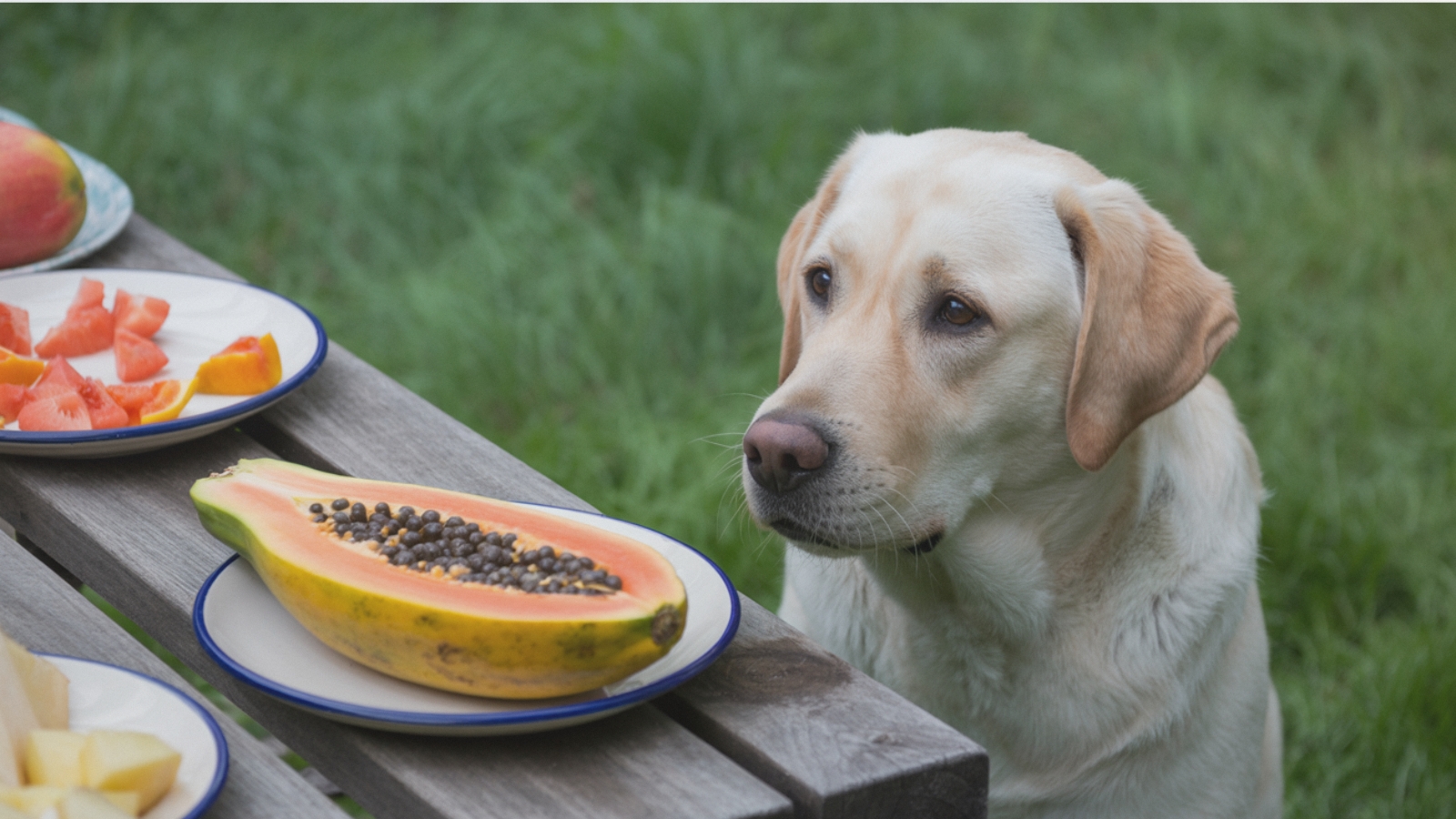
Dogs can eat tropical papaya fruit safely if you have removed the seeds and the skin. Papaya is a great source of minerals like potassium, folate, and calcium, as well as vitamins A, C, E and Like most other fruits, you should feed it in moderation due to its high natural sugar content.
Peaches

Just like nectarines, the flesh of peaches is very safe for dogs to eat. Just make sure that you remove the put as it could become a foreign body obstruction in your pet’s intestines. Emergency surgery could be required to retrieve it. You will need to be extra careful if you have a peach tree at home, in case your dog helps himself to the fruit and pits.
Raspberries
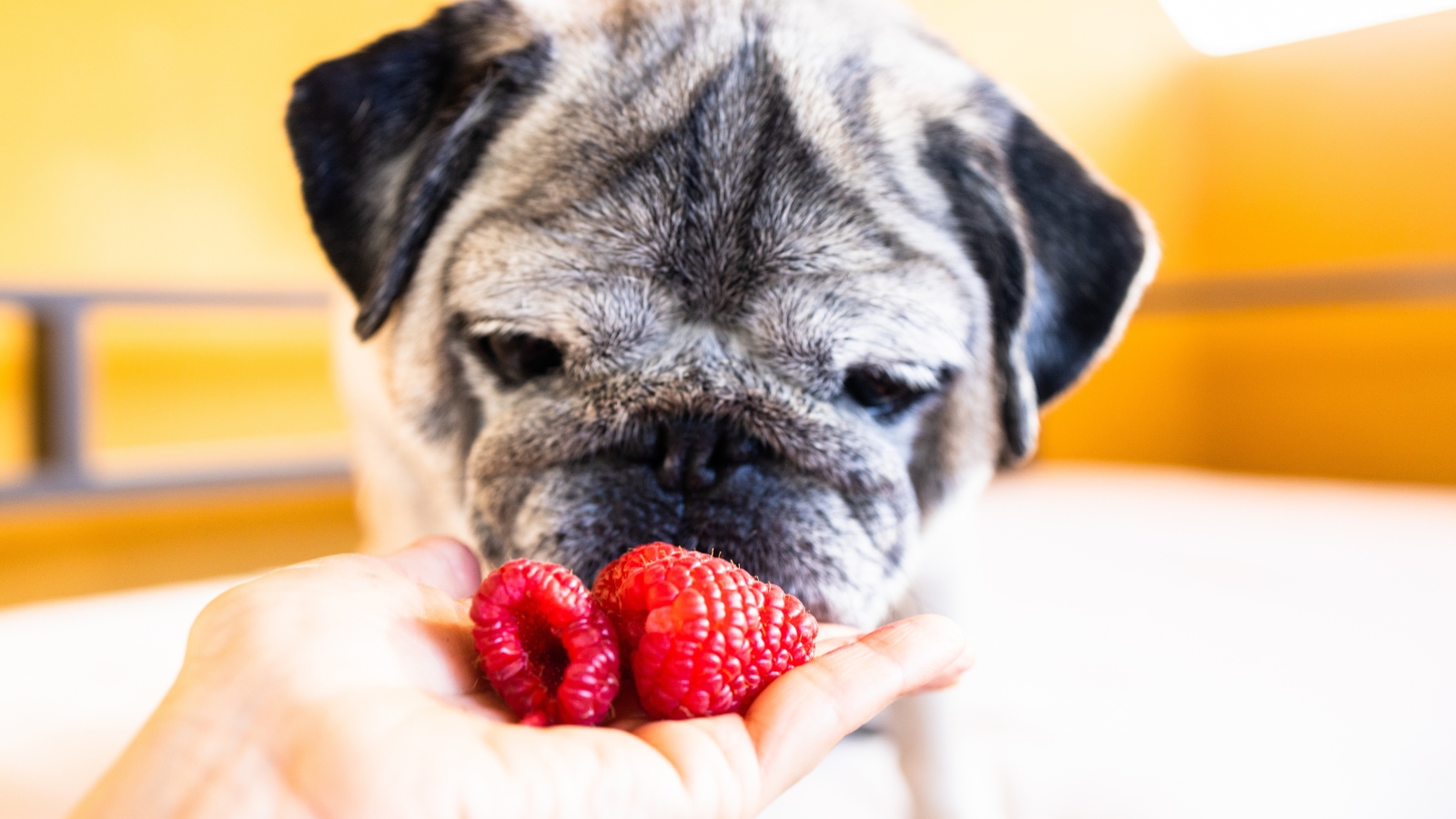
Another great berry to offer to your dog, raspberries are a nutritional powerhouse. They contain vitamins A, B vitamins, Vitamin C, and E and are also rich in minerals. The antioxidants in raspberries are also thought to help with inflammatory conditions, such as arthritis, allergies, and cancer in people. Raspberries need little preparation so they are easy to offer to your dog.
Strawberries
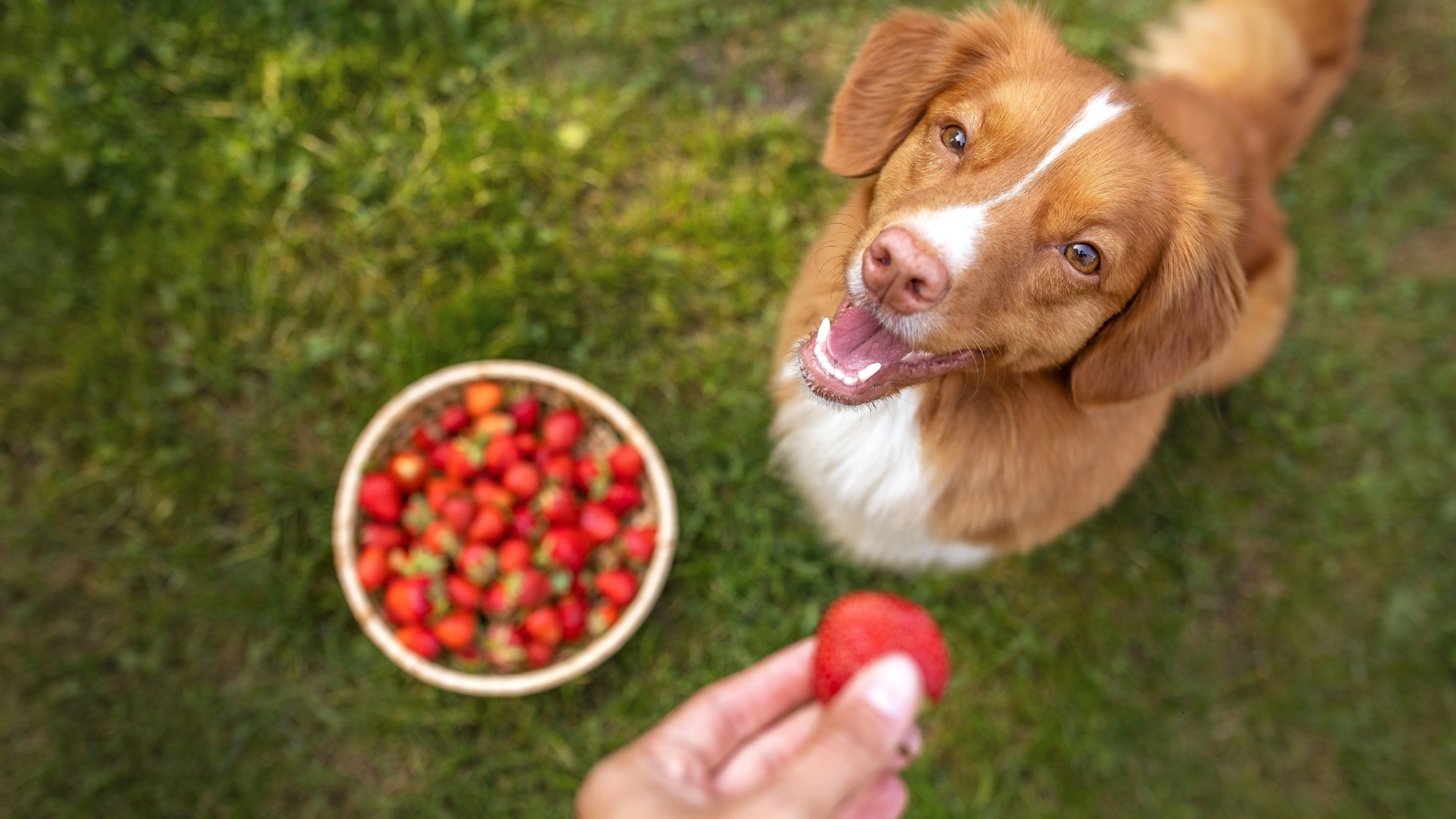
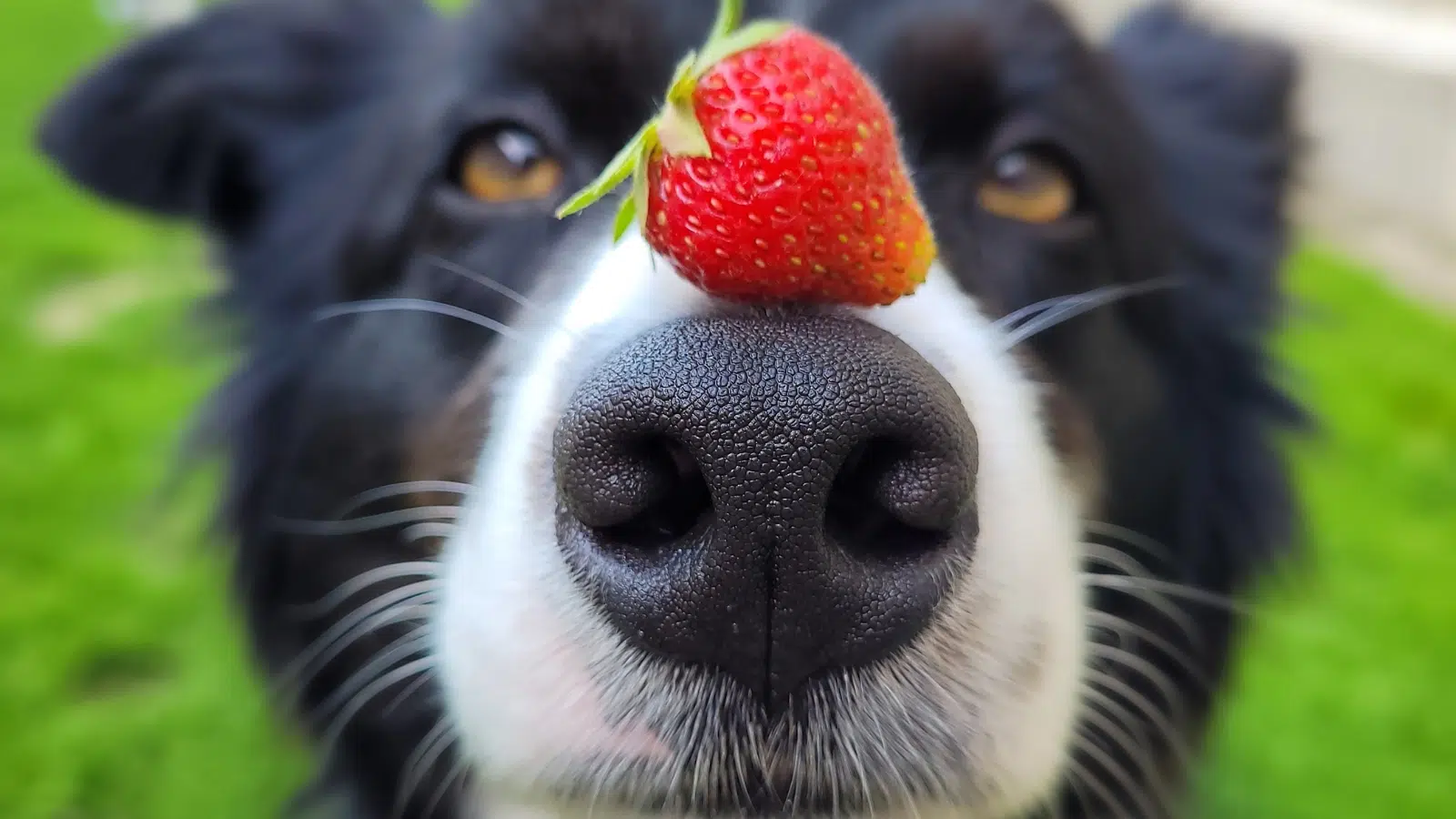
Fresh or frozen strawberries are a great snack that needs little preparation. You should cut the green stalks off before serving though. Make sure to avoid strawberries in syrup or jelly though as these will be high in sugar.
Kiwi

Kiwi fruits and safe for dogs to eat and contain high levels of vitamin C, vitamin K, vitamin E, and folate (vitamin b9). This tropical fruit should be peeled and chopped before serving. Don’t be tempted to offer it whole as its smooth round shape could be a choking hazard for some dogs.
Frequently Asked Questions
Can I mix fruit in my dog’s food?
Yes, you could consider serving fruit mixed in with your dog’s normal pet food. Just make sure that fruit makes up no more than 10% of your dog’s daily diet otherwise you could cause an imbalance in your pet’s diet or tummy troubles. Remember that if your pet is on a good quality, complete diet they will not need their diet to be supplemented with other ingredients, including fruit.
Can I give my dog a bowl of fruit?
You should never give your dog a whole bowl of fruit in one sitting as this could lead to vomiting and diarrhea, especially if they are not used to eating fruit. You should also take care with the contents of the fruit bowl, as grapes and cherries could cause serious health problems for your pet.
What is the healthiest fruit for dogs?
All fruits have health benefits, but berries like blueberries, raspberries, and blackberries are particularly rich in antioxidants. They are also not too calorific and come in perfect treat-sized snacks, that need little preparation.
Make us part of your pack when you search.
Add Caninely as a preferred source on Google and we'll be right there next time you go searching. Five seconds, and you get straight dog talk instead of the usual fluff.


11 Foods You Should Never Feed Your Dog
Did your pup get ahold of some chocolate, or eat some grapes? There are a handful of different foods that can be toxic to dogs, depending on the amount ingested. In this article, Veterinary Technician Beth Lee examines some of the most common culprits that could land your pup in the local vet's office.


