5 min read
9 Signs Your Dog Has Chosen You as Their Person
Dogs don't say "I trust you." They show it, in dozens of small ways most owners miss. From the way they sleep near you to where their eyes go when something startles them, trust leaves fingerprints all over your daily routine. Here are nine signs your dog has fully decided you're their person.
Vet Approved

This information is current and up-to-date in accordance with the latest veterinarian research. Learn more
Contents
Nothing compares to the bond between owner and dog. It is a relationship that goes back thousands of years, with generations of dog owners building their own special relationships with their pets.
This is all lovely to hear, but how do you know if your dog really trusts you? It can be useful to know what the signs are. Especially, if you are a new pet owner, or if you have recently adopted your pet and are still getting to know them.
We’re going to look at 9 key signs that prove your dog trusts you as an owner. Within this, we will also look at how to further reinforce positive behavior, as well as a few key things to watch out for.
Your Dog is Comfortable

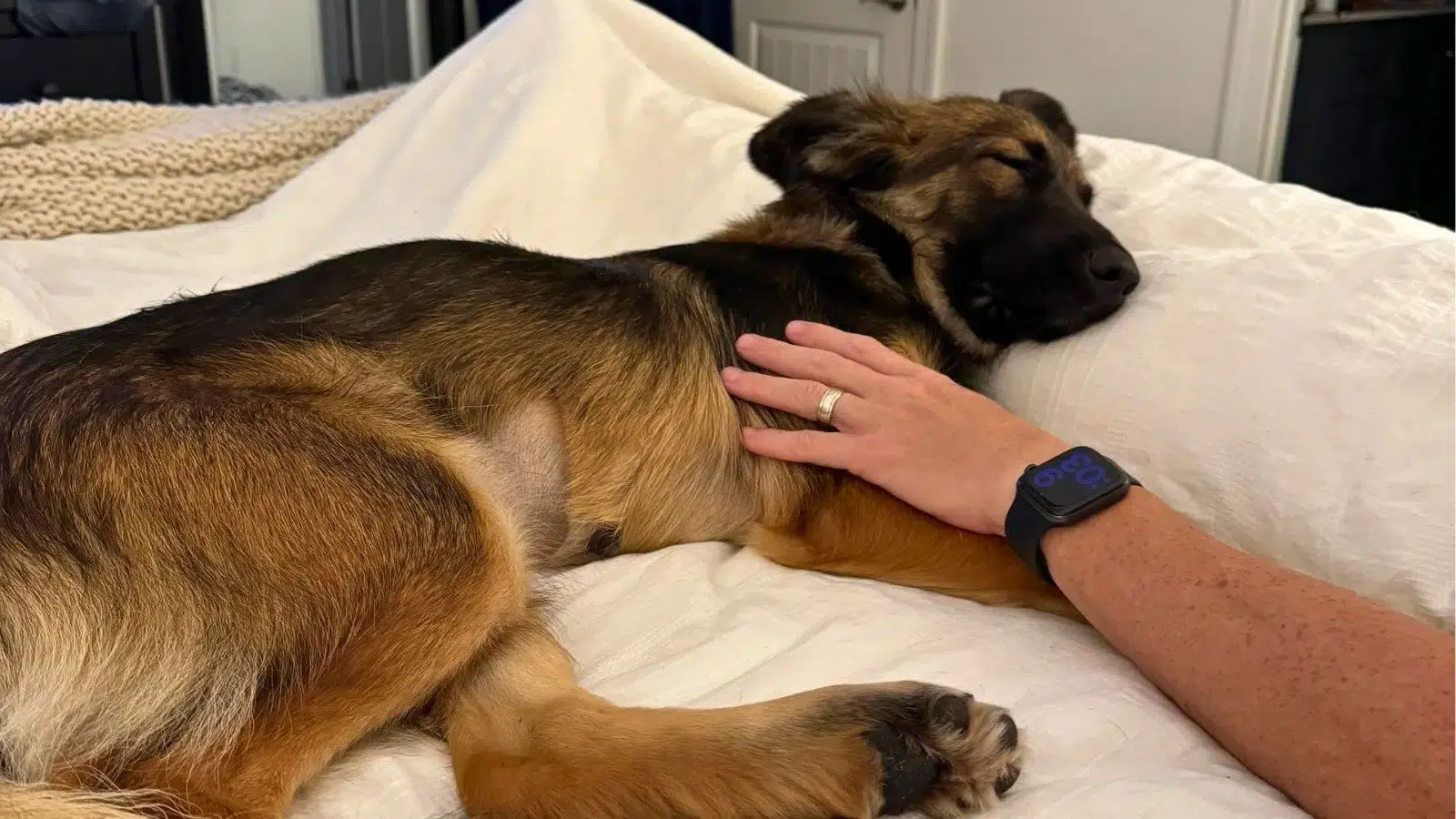
If your dog trusts you, they will feel comfortable in your presence. Some dogs will lean against you, others will feel relaxed about sleeping on or next to you. Many trusting dogs will want to sleep in your bedroom as this is where they feel safest. It helps to replicate the lifestyle their wild ancestors would have experienced, the pack all sleeping together for security and warmth.
Sleeping position is another great way of knowing whether your dog trusts you. A relaxed dog will usually stretch out, or sleep on their back with their stomach exposed. A slightly more wary dog might spend much of their time curled in a ball when asleep.
You Can Touch Their Things

A relaxed and trusting dog will allow you to touch their most prized possessions. This will include their toys, food bowls, and bedding. It is natural for dogs in the wild to be reluctant to share, after all, survival is key. But in a domestic setting, appropriate socialization training from a young age will help your dog understand what behavior is appropriate.
Dogs that are fearful or worried about competition may growl, raise their lip, or bite when their belongings are approached. This is something called resource guarding and can be a real problem. If your dog is showing guarding tendencies, then it may be worth speaking to a qualified pet behaviorist for help.
If your dog has recently had puppies, then an extra sign of trust will be if she allows you to handle her new babies. Dogs can be at their most protective with offspring around. So, a relaxed attitude is a sure sign that you have a good bond with your pet.
They Let You Handle Them

A trusting dog will often let you do things that they don’t particularly enjoy. This might include bathing them, trimming their nails, or applying medications. This is sometimes seen firsthand in a veterinary clinic setting. Dogs will often refuse to let the vet administer something but allows their owner, no problem.
Of course, this isn’t always the case. Some dogs with phobias or previous negative experiences may need a lot of time and patience. Positive reinforcement training is the best way of getting your dog on board with things he doesn’t enjoy. You can build your pet’s trust by progressing slowly and taking a step back if they are becoming anxious. Never punish your dog as this could make them more scared next time.
They Come When Called

A dog that has a strong bond with their owner will come to them when called. They will usually follow vocal cues from their owner more than they would from someone else. By putting time and effort into reinforcing their training, you will constantly strengthen this bond. Your dog will soon be responding to your various vocal commands as long as you are consistent with positive reinforcement.
This is particularly important during off-leash exercising, as recall can be something that some pet owners struggle with. Always praise and reward your pet for coming back to you on command. It shows that they are more interested in you than anything else going on around them.
They Look to You For Reassurance

If your dog gets hurt or scared, they automatically will look for you. This is a sign that they trust you and need your reassurance. You might see this in action when walking at the local park. They will run back over to you if intimidated by another dog, or if they will seek you out for help if they take a tumble.
They know that you are their main caregiver and that they rely on you for food and affection. It’s only natural they will seek you out when something goes wrong too.
Relaxed Body Language

If your dog has calm and predictable body language, this is a clear sign that they trust you. When they are spending time with you, they will often be seen with a loose wagging tail, open happy face, and relaxed body posture. A relaxed dog will feel comfortable maintaining extended periods of peaceful eye contact with you, which is a clear sign of trust.
An anxious dog will be tense. They may carry their tail stiffly or tucked between their legs, and can have a tight, worried face. ‘Whale eye’, showing the whites of their eyes, is an indication of stress. So is excessive yawning, lip licking, and looking away from you. It is important to notice these subtle cues, as if ignored dogs may have to resort to other behaviors like growling or snapping. This is known as the ladder of communication (or aggression).
Body language is the only way that dogs can communicate with us. A strong bond means learning to understand your dog’s body language so that you can recognize when they are happy, scared, or uncomfortable.
They Follow You Everywhere

A dog that trusts you may follow you around like a second shadow. A certain level of this is normal and helpful. For example, when you are out on a walk or in an unfamiliar environment. But if your dog leaps up every time you go to the bathroom or gets very upset when they can’t be by your side, then this may be starting to become an issue.
If your dog can’t have you, then they may take comfort in your possessions, picking them up, nibbling on them, or putting them in their bed. Take care to store any precious items well out of reach!
While it is lovely to know your dog is bonded to you in this way, take care to ensure your pet doesn’t start to struggle with separation anxiety. Every dog needs to be trained to feel comfortable with being left alone. It is not practical for an owner to be with their pet 24/7.
From an early age, you should practice leaving your dog alone for short periods. If your dog paces, inappropriately toilets, vocalizes, or destroys belongings when left alone it may be worth speaking to a professional for help.
They Know Your Routine

Dogs are extremely switched on. They will quickly pick up your routine and know what to expect each day. For example, they may start to get excited when you finish your morning coffee as they know this is time for a walk. Or perhaps they go and lie on their bed when they see you grab your work bag and keys. Dogs are reliant on us for all of their care needs. So, it is in their interest to be aware of our movements.
Having a predictable routine is actually very important for dogs and can build their trust in you. If your dog knows what to expect each day, then they will be far more settled and less likely to have anxiety-related tendencies. Knowing when to expect their meals and walks is especially important for rescue dogs who may have had previous bad experiences.
Tail-Wagging Greetings

A dog who loves and trusts you will greet you accordingly! When you come home your dog will be excited to see you, body wiggling and tail wagging. They may even jump up or try to ‘kiss’ you. Those loving licks are a clear indication of how they feel.
A dog that is bonded with you will also let you return the love and will allow you to kiss and cuddle them back. A dog that trusts you may also allow belly rubs which they might not tolerate from anybody else.
Make us part of your pack when you search.
Add Caninely as a preferred source on Google and we'll be right there next time you go searching. Five seconds, and you get straight dog talk instead of the usual fluff.


11 Vet-Approved Tips to Help Your New Dog Settle In Fast
Bringing home a new dog is exciting, but those first days set the tone for years of trust, behavior, and bonding. Veterinarian Beth Lee breaks down 11 practical, science-backed tips to help your dog adjust faster, covering routine, environment, body language, and the small mistakes most owners make in week one.